
Last updated September 24, 2026
Free in-home measure and quote - PGT, CGI and CWS impact lines compared on your actual openings, style by style
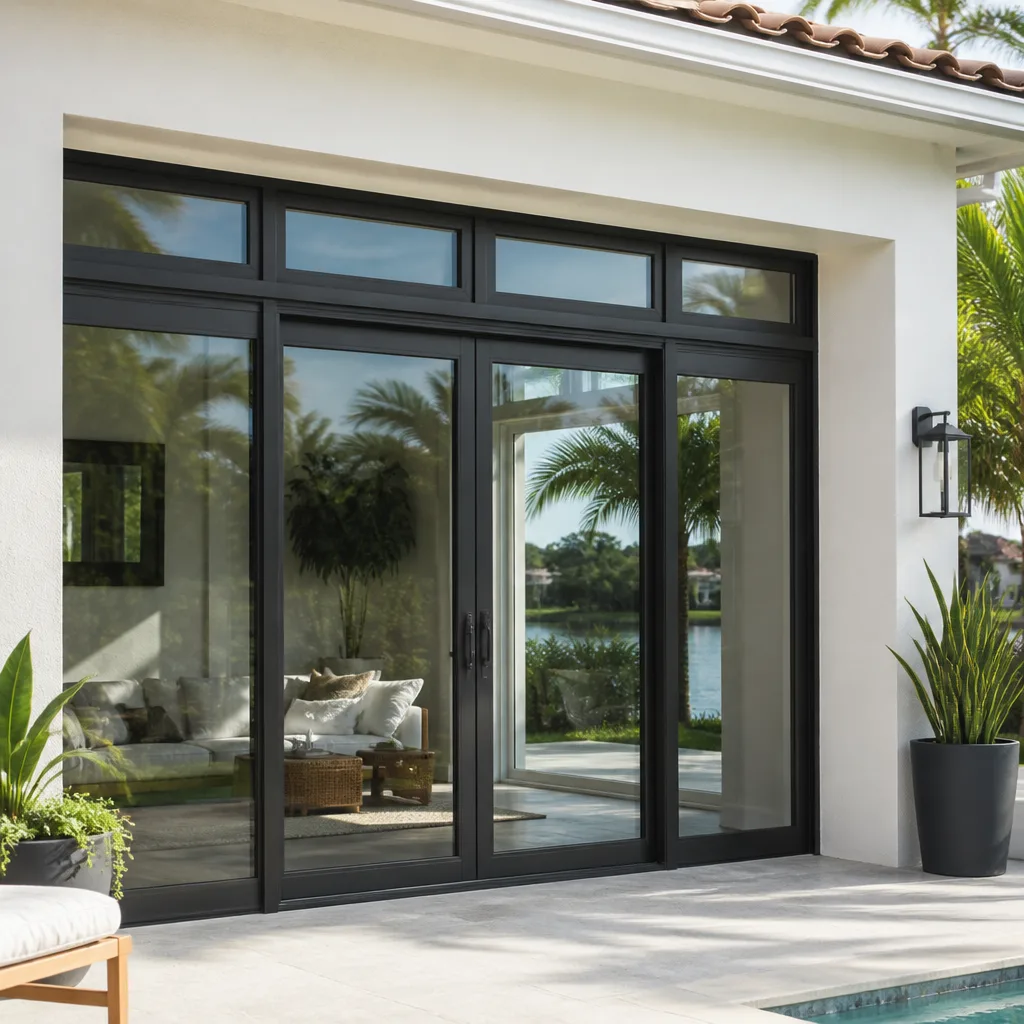
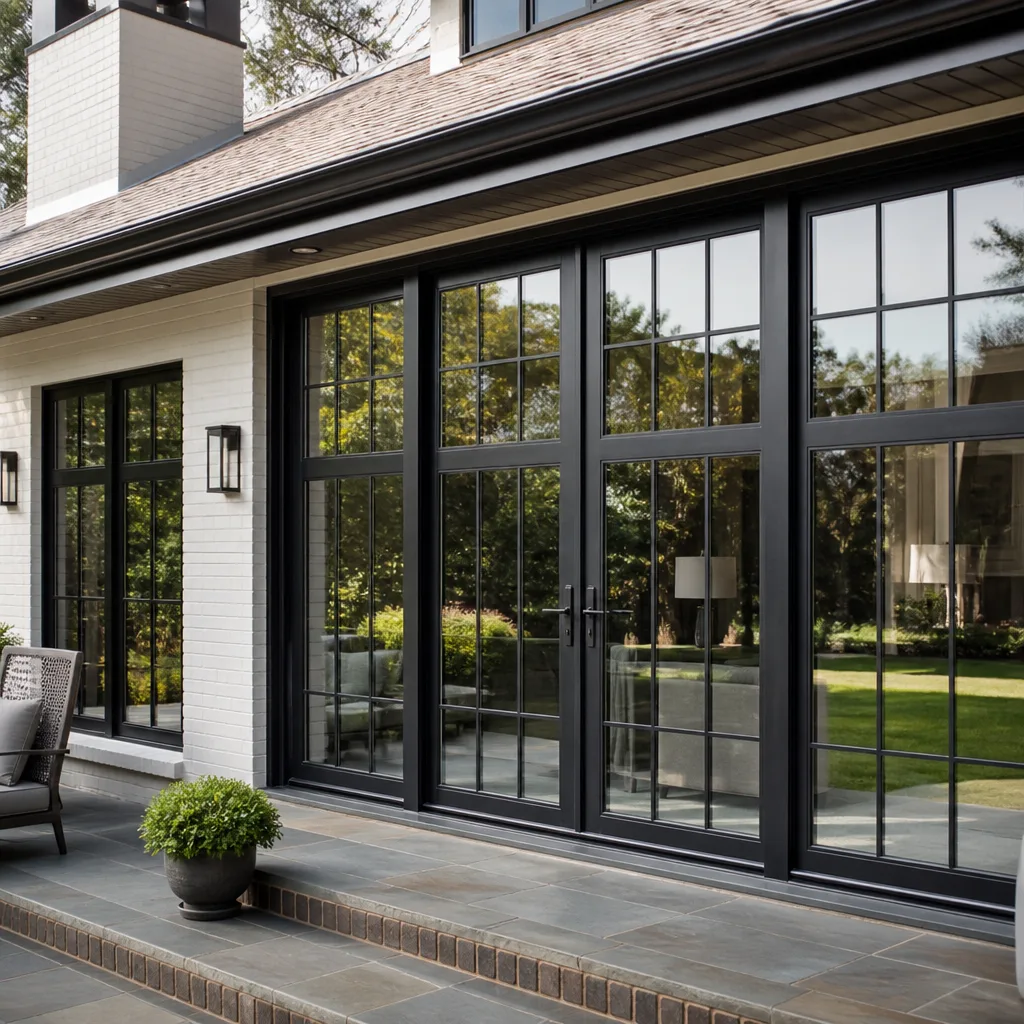
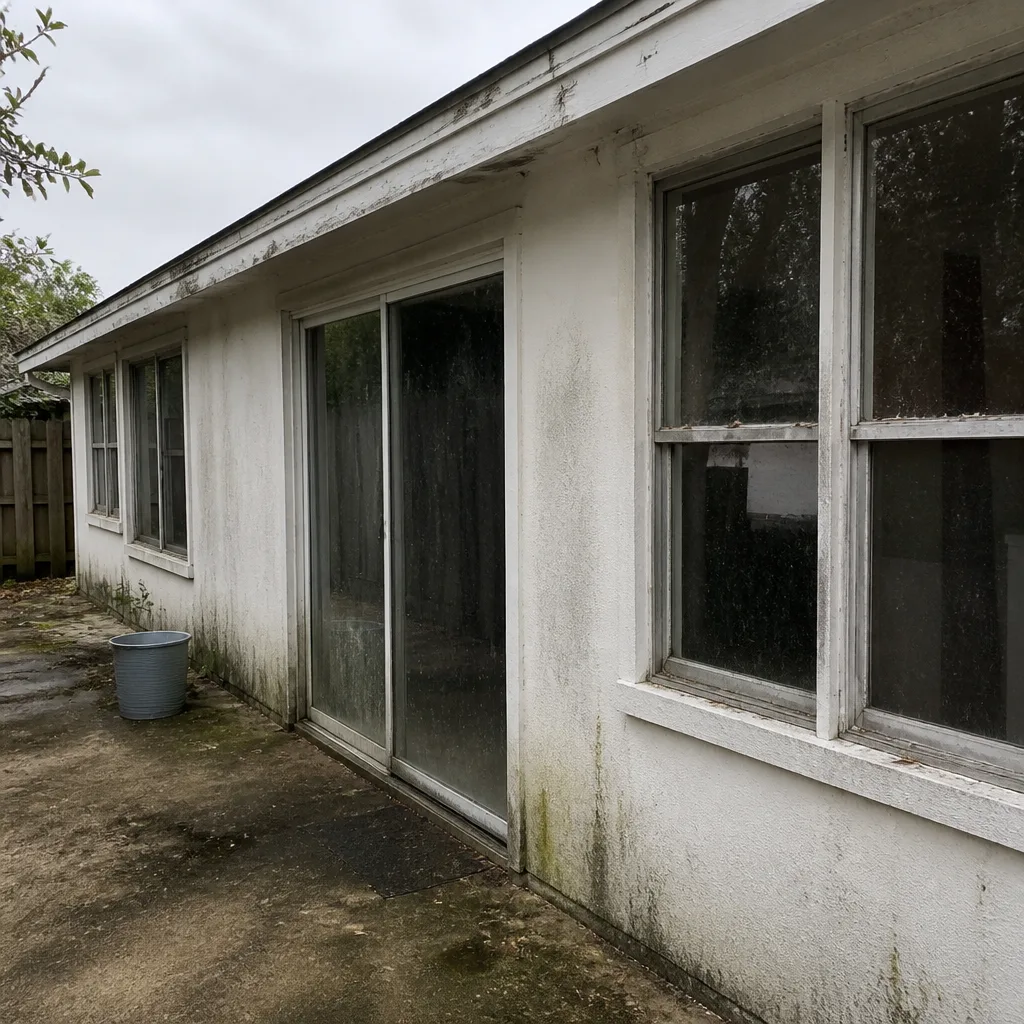 Before
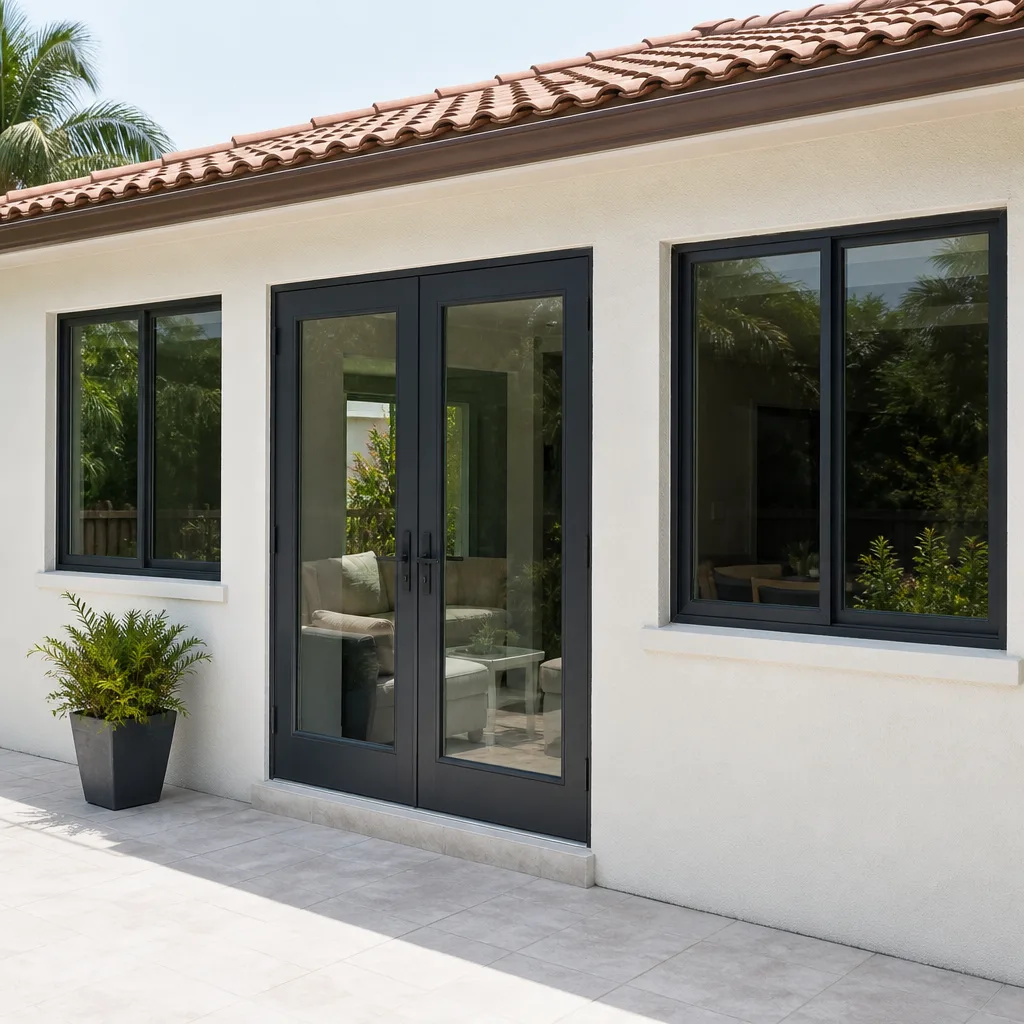 After
After Before
 After
After Before
 After
AfterDIY vs Professional Windows & Doors: The Princeton Homeowner’s Decision Guide
A Princeton homeowner can legally pull their own permit and install their own windows on their primary residence under Florida’s owner-builder exemption - but the same exemption requires a written disclosure to any buyer within one year of the work that the owner “may not have been acting as a licensed contractor,” a sentence that routinely kills financing contingencies during closings. In this guide and our more guides & resources, you’ll learn where Florida law draws the line between legal DIY and required professional work, which three installation tasks cause the most failed inspections in Princeton’s High Velocity Hurricane Zone, and how to calculate whether the savings are real or just moved to a different column. We wrote this for the homeowner who reads three-star reviews and wants the numbers before making contact.
Quick Answer
Princeton homeowners can legally self-install windows on their primary residence under Florida’s owner-builder exemption, but rental properties and HVHZ-rated installations require a licensed contractor. The actual savings on a typical 10-window project shrink from roughly $3,800 in labor to approximately $900-$1,400 after tool rental, permit fees, inspection rescheduling, and product-return risk are accounted for - and DIY-installed units may not qualify for the same wind mitigation credits on a Citizens OIR-B1-1802 form.
Table of Contents
- Florida’s Owner-Builder Exemption: What Princeton Homeowners Can and Cannot Do
- The Three Tasks That Fail Princeton HVHZ Inspections Most Often
- The True Cost of DIY: A 10-Window Princeton Project Breakdown
- Insurance Consequences: Will DIY Work Qualify for Wind Mitigation Credits?
- What a Skilled Princeton Homeowner Can Reasonably Handle
- Navigating Miami-Dade Permits as an Owner-Builder
- Product Selection: NOA Compliance and Manufacturer Lines That Matter
- When Professional Installation Is the Lower-Risk Economic Choice
 Before
 After
AfterFlorida’s Owner-Builder Exemption: What Princeton Homeowners Can and Cannot Do
Florida Statute 489.103(7) creates a narrow path for owner-builders, and Princeton sits in Miami-Dade County where enforcement is stricter than in rural jurisdictions. The exemption permits a homeowner to act as their own contractor for construction on their primary residence, provided the property is not offered for sale or lease within one year of completion. The statute requires the owner to occupy the residence, to perform the work themselves or directly supervise it, and to obtain all required permits.
Here’s where Princeton homeowners get surprised: the exemption does not apply to rental properties. If you own a duplex in the Princeton area and live in one unit, you cannot use the owner-builder exemption for work on the rented unit. That requires a licensed contractor under F.S. 489.105(3)(f). The statute also prohibits the exemption for any work on a property “held out for sale, rent, lease, or other commercial purpose.” We’ve reviewed competitor quotes for Princeton landlords who started as owner-builders and learned this distinction at the permit counter, as covered in our How to Hire a Windows & Doors Contractor in Princeton: A Step-by-Step Guide.
The resale disclosure is the clause that changes the math. Under F.S. 489.103(7)(d), any owner-builder who sells within one year must provide a written disclosure stating that “the owner may not have been acting as a licensed contractor” and that “the work was not necessarily done in accordance with the Florida Building Code.” In Princeton’s active resale market, where homes purchased between 2015 and 2025 turn over regularly, this disclosure appears on seller disclosure forms and triggers lender scrutiny. We’ve had Princeton sellers call us to inspect and document prior owner-builder work so they can present a clean third-party record to buyers.
The exemption also does not relieve the owner-builder from any code requirement. Miami-Dade County enforces the Florida Building Code, the HVHZ provisions, and the specific product approval requirements for every window and door installation. The owner-builder assumes full liability for code compliance, and the county’s inspectors apply the same standard regardless of who pulls the permit.
The Three Tasks That Fail Princeton HVHZ Inspections Most Often

Princeton lies within Miami-Dade County’s High Velocity Hurricane Zone, where every window and door installation must comply with the product’s Notice of Acceptance (NOA) and the Florida Building Code’s HVHZ chapter. In our experience reviewing failed inspections across Princeton and surrounding Miami-Dade neighborhoods, three tasks account for the majority of owner-builder failures:
- Flashing integration with the existing weather-resistive barrier. The NOA for each window specifies the flashing tape width, overlap sequence, and integration method with the wall’s WRB. Owner-builders often install the window level and square, then attempt to apply flashing as a cosmetic afterthought. The correct sequence - sill pan first, then jamb flashing lapped over the sill, then head flashing lapped over the jamb - is detailed in the NOA but requires reading the installation instructions as a structural document, not a suggestion. In Princeton’s summer rain pattern, a reversed lap directs water into the wall cavity instead of out.
- Anchor spacing and embedment per the NOA’s installation instructions. Every impact-rated window carries an NOA that specifies anchor type, diameter, spacing, and minimum embedment into the structural framing. The spacing is not uniform; it varies by product line, frame material, and opening size. A CGI aluminum impact window may require #10 x 3-inch anchors at 8 inches on center; a CWS vinyl frame may specify a different pattern entirely. Owner-builders frequently use the anchor spacing from a previous project or from an online video, not from the specific NOA in hand. Inspectors measure every anchor. In Princeton, re-inspection carries a fee and a scheduling delay that typically runs two to three weeks during peak season.
- Sealant type specification and application geometry. The NOA specifies the sealant manufacturer and product series, not just “100% silicone” or “polyurethane.” Some NOAs require backer rod and a specific joint width-to-depth ratio. Others specify a bond-breaker tape at the sill. Owner-builders often select sealant by color match or hardware store availability, then apply it as a bead rather than a gasket with controlled geometry. A Princeton inspection failure for sealant typically requires removal and reapplication, not just touching up, because the inspector cannot verify substrate preparation after the fact.
These three tasks share a common feature: they are not visible in the finished installation. A homeowner can measure the window, check that it opens and closes, and conclude the job is correct. The inspector evaluates what is behind and around the frame, and that evaluation is binary - pass or fail - with no partial credit for effort.
The True Cost of DIY: A 10-Window Princeton Project Breakdown
The headline labor savings on a 10-window replacement project in Princeton typically runs $3,500-$4,200 if you assume contractor labor at market rates. That number is real only if you stop counting before several necessary costs. Here’s the itemization we prepare when a Princeton homeowner asks us to review a DIY plan under our Free Second Opinion on Any Written Estimate:
| Cost Category | DIY Estimate | Notes |
|---|---|---|
| Contractor labor (saved) | $3,800 | Typical Princeton 10-window project, mid-range vinyl or aluminum |
| Tool rental or purchase | $280-$620 | Reciprocating saw, nail gun, compressor, level, laser level for anchor alignment; some homeowners already own partial set |
| Permit fees (Miami-Dade) | $485-$735 | Varies by total project valuation; owner-builder pays same as contractor |
| First inspection failure / re-inspection | $180-$360 | Re-inspection fee plus scheduling delay; 40-50% first-time failure rate for owner-builders on HVHZ work in our observation |
| Product return / exchange | $200-$800 | Wrong rough opening size, reversed handing, or NOA misread; restocking fees apply, special-order products may not be returnable |
| Material waste (overorder buffer) | $150-$300 | DIY projects typically overorder 10-15% on sealant, flashing, shims; contractors absorb this in bulk pricing |
| Wind mitigation inspection (post-install) | $75-$150 | Required for insurance credit; may require third-party documentation that DIY installation meets NOA |
| Net DIY savings | $835-$2,630 | Upper bound assumes no inspection failure, no product issues, owned tools; lower bound is more typical |
The range is wide because the variables are real. A Princeton homeowner who has previously built a deck, owns a compressor, and reads NOAs carefully may land near the higher savings figure. A homeowner who measures the rough opening once from drywall edge to drywall edge - instead of from framing to framing - and orders a window that is two inches too wide, lands near the lower bound or below it. We’ve written replacement quotes for Princeton homes where the owner-builder spent six months on a three-week project and still called us to finish.
There is also a time cost that does not appear in the table. Princeton’s summer heat and afternoon thunderstorms compress the workable hours. A professional crew completes a 10-window project in two to three days. An owner-builder working weekends may span six to eight weeks, during which the openings are vulnerable to weather and the household lives with construction disruption.
Insurance Consequences: Will DIY Work Qualify for Wind Mitigation Credits?
This is the question Princeton homeowners ask after they’ve already installed, not before. The answer determines whether the project pays for itself in premium reduction.
Florida’s wind mitigation inspection uses Form OIR-B1-1802, and Section 4 addresses opening protection. For a window or door to qualify, the inspector must verify that the installation meets the Florida Building Code and the product’s NOA. The form asks for documentation of “installation according to manufacturer’s specifications.” A licensed contractor provides a permit, inspection record, and often a completion certificate. An owner-builder provides the same permit and inspection record, but the inspector may apply additional scrutiny.
Citizens Property Insurance, the state’s insurer of last resort and a significant carrier in Princeton, has adjusted its guidance in recent years. While a properly permitted and inspected owner-builder installation technically qualifies, field inspectors report variability in how documentation is accepted. Some Princeton homeowners have been asked to provide photographs of the installation sequence, not just the finished product, to demonstrate that flashing was applied in the correct order. The documented photo record that Sightline includes on every job - Haven Clause 4, Evidence on Every Job - becomes relevant here. An owner-builder who did not photograph the rough opening before the window was set may have difficulty reconstructing proof of proper installation.
The more significant issue is the wind mitigation inspector’s judgment. These inspectors are licensed by the state and carry liability for their certifications. When an installation lacks a contractor’s warranty and documented photo record, some inspectors decline to sign off on opening protection credits, particularly for impact-rated products where the installation integrity is load-path critical. The credit can be substantial - $500-$1,200 annually on a typical Princeton policy - so its loss amortizes quickly against any DIY labor savings.
We recommend Princeton homeowners who are considering DIY for insurance-credit purposes to confirm with their carrier, in writing, what documentation will be required for a self-installed, self-permitted unit. “Properly permitted and passed inspection” is necessary but may not be sufficient.
What a Skilled Princeton Homeowner Can Reasonably Handle
Not all window and door work falls under the same permit and inspection structure. There is a narrow category of tasks where a skilled Princeton homeowner can work legally, safely, and economically without triggering the owner-builder exemption’s resale disclosure or the HVHZ inspection chain.
- Hardware replacement: Locks, handles, and operators on existing windows and doors. No permit required. Match the manufacturer specification - PGT, CGI, and CWS all publish parts diagrams - and the repair is straightforward. We’ve guided Princeton homeowners through this by phone when the part number is legible.
- Weatherstripping replacement: Compression seals, pile weatherstrip, and bulb seals deteriorate in Princeton’s UV exposure and salt air. Replacement restores operability and reduces air infiltration. No permit, no inspection, immediate return. Order by profile dimension, not by “universal” claim.
- Interior trim and casing: After a professional installation is complete and inspected, the homeowner can install or replace interior trim. This is finish carpentry, not structural work, and it does not affect the window’s performance rating. Many Princeton homeowners prefer to handle this themselves to match existing millwork profiles.
- Screen replacement: Frame screens and roll-down screens are maintenance items. Mesh selection (fiberglass vs. aluminum, 18×14 vs. 20×20) affects visibility and durability but not code compliance.
What does not belong on this list: any work that involves removing the existing window or door from its structural opening, any work on impact-rated products where the NOA governs installation, and any work on rental properties. The boundary is not skill; it is the permit and inspection structure that attaches to the task.
Navigating Miami-Dade Permits as an Owner-Builder
Miami-Dade County’s permit process for window and door replacement is more involved than in many Florida counties, and Princeton homeowners encounter it at the Miami-Dade Permitting and Inspection Center or through the online portal. The process for an owner-builder follows these steps:
- Determine permit type. A window or door replacement in an existing wall typically requires a building permit, not just a roofing or mechanical permit. If the opening size changes, structural review may be required. If the property is in a flood zone - much of Princeton is AE or AH zone - elevation documentation may be requested.
- Submit product approval documentation. Every window and door must carry a Miami-Dade NOA or Florida Product Approval. The NOA number must match the specific product being installed; “PGT impact window” is not sufficient. The NOA must be current, not expired or superseded. We verify this on every window installation in Princeton before the measured survey is finalized.
- Schedule inspections. Miami-Dade typically requires a rough inspection (if structural modifications) and a final inspection. The inspector verifies product labels, anchor patterns, flashing sequence, and sealant application. Inspections are scheduled online; same-day requests are rarely available. Failed inspections require correction and re-scheduling.
- Obtain certificate of completion. This document is required for insurance documentation and for the wind mitigation inspection. It is not automatically issued; the owner-builder must request it after final inspection passage.
The owner-builder is the permit holder of record and assumes liability for code compliance. This liability does not transfer to the product manufacturer if the installation deviates from the NOA. We’ve reviewed Princeton permits where the homeowner installed a CWS vinyl window according to a YouTube tutorial for a different frame system, and the manufacturer declined to support the installation when the anchor pattern failed inspection.
Product Selection: NOA Compliance and Manufacturer Lines That Matter
Princeton’s HVHZ status means product selection is not a style decision first. It is a compliance decision that constrains style. Every window and door must have a current NOA for the specific installation conditions: wind zone, exposure category, and mounting type. The NOA lists the approved applications; installing outside those applications voids the approval and fails inspection.
Sightline specifies from eight manufacturer lines - PGT, CGI, CWS, ES Windows, ECO Window Systems, Mr-Glass, Therma-Tru, and ViewLux - selected by what the opening requires, not by what is in stock. For Princeton’s coastal exposure and HVHZ requirements, we most frequently specify:
- CGI and CWS aluminum impact windows: High strength-to-weight ratio, tested for large missile impact, suitable for Princeton’s exposure to wind-borne debris. The NOAs for these lines include specific anchor patterns for masonry and wood frame construction that match Miami-Dade’s typical Princeton housing stock.
- ES Windows and ECO Window Systems: Vinyl and aluminum-vinyl hybrid frames with competitive U-factors for Princeton’s cooling-dominated climate. The SHGC (Solar Heat Gain Coefficient) ratings on these lines are specified to reduce solar gain, which is the primary energy driver in South Florida, not heating loss.
The NOA is not a marketing document. It is an engineering evaluation that specifies: the design pressure rating in psf, the missile impact level (large or small), the approved anchor types and spacing, the maximum unsupported span, the approved sealants and flashing materials, and the installation sequence. A Princeton homeowner selecting products for DIY installation must read the NOA as a contract, not a brochure, and must verify that the specific product variant - size, configuration, and glazing option - matches the NOA’s scope, as outlined in our Window Installation Maintenance Checklist for Princeton Homeowners.
We provide the measured survey and the NOA verification as a single document under Haven Clause 1: Have It in Writing. The quote cannot differ from the measured survey because they are the same document. This eliminates the product-return exposure that DIY homeowners face when they order from a catalog without field verification.
When Professional Installation Is the Lower-Risk Economic Choice
The DIY-vs-professional calculation shifts from skill assessment to risk assessment when any of the following conditions apply:
- The property is a rental or held for sale within one year, triggering F.S. 489.103(7)’s disclosure requirement.
- The installation is impact-rated, requiring NOA-precise anchor spacing and flashing integration.
- The homeowner carries a mortgage with an escrowed insurance policy, where wind mitigation credits affect premium and escrow calculations.
- The project timeline is constrained by weather, occupancy, or sale closing.
- The window or door is part of a larger envelope improvement where multiple trades must coordinate sequencing.
In these scenarios, the “savings” of DIY labor are offset by legal exposure, insurance uncertainty, schedule risk, and the cost of failed inspections. The lower-risk economic choice is professional installation with documented compliance.
Sightline Windows & Doors Princeton offers free estimates in Princeton. Every engagement begins with a measured survey you keep, and the written quote is the same document. Call (786) 977-2953 to schedule.
Common Mistakes to Avoid
- Measuring the rough opening from finished surfaces. Princeton homeowners often measure from drywall edge to drywall edge and order a window that is too large by two inches. The correct measurement is from framing member to framing member, in three places per dimension. We document this in the measured survey we leave with every homeowner.
- Assuming all “impact windows” install the same way. A CGI aluminum frame and a CWS vinyl frame have different anchor patterns, different sealant requirements, and different flashing details. The NOA governs, not the category name.
- Pulling a permit for a rental property under the owner-builder exemption. This is a violation of F.S. 489.103(7) and can result in permit revocation, fines, and required removal of the installation. Miami-Dade verifies ownership records.
- Skipping the wind mitigation inspector’s pre-consultation. Some Princeton homeowners install, pass inspection, then learn their documentation is insufficient for insurance credit. Confirm requirements with your carrier before starting.
- Using online video as primary installation guidance. Videos demonstrate technique on specific products in specific wall conditions. They do not replace the NOA for your product in your wall. We’ve corrected Princeton installations where the video’s flashing sequence reversed the lap direction for our local rain pattern.
- Neglecting to photograph the installation sequence. If you proceed as owner-builder, photograph every layer: rough opening before modification, sill pan installation, jamb flashing overlap, head flashing, anchor pattern, and sealant geometry. These images are your only evidence if inspection or insurance questions arise later.
- Assuming passed inspection equals insurance credit qualification. Inspection verifies code compliance at a point in time. Insurance credit qualification requires ongoing documentation of proper installation that may exceed the inspection record.
When to Call a Professional
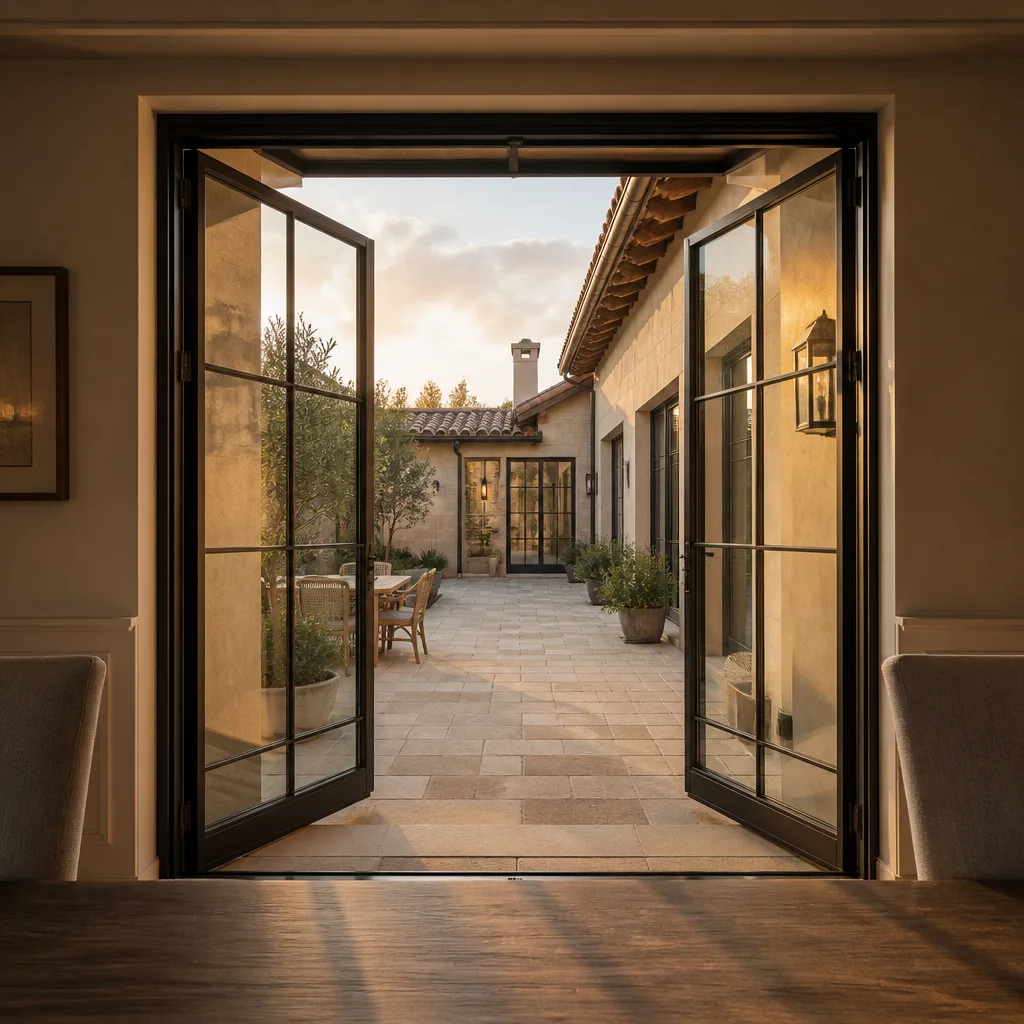
Call a licensed contractor when the work is HVHZ-rated, when the property is not your primary residence, when the installation affects your insurance premium or financing, or when the timeline does not accommodate inspection rescheduling. Call when you need the measured survey, the written scope, and the documented photo record to travel together as a single accountable document.
Sightline Windows & Doors Princeton offers free estimates in Princeton - call (786) 977-2953. Every quote includes the measured survey you keep, the written price before any work starts, and the Haven Standard guarantees that have governed every one of our 18,000+ installations since 2012.
Frequently Asked Questions
Yes, on your primary residence under Florida’s owner-builder exemption, provided you occupy the home and do not sell or lease it within one year. Rental properties and commercial buildings require a licensed contractor. Call (786) 977-2953 for an exact quote on your specific property - estimates are free.
Professional installation on a typical 10-window Princeton project runs $3,500-$4,200 in labor. Net DIY savings after tool rental, permits, inspection risk, and material waste typically range $835-$2,630, with the lower end more common for first-time owner-builders. Call (786) 977-2953 for a written price on your specific openings - our quote includes the measured survey you keep.
Possibly, but documentation requirements vary by carrier. Citizens and other insurers may require proof of installation sequence, not just passed inspection. Some wind mitigation inspectors decline to certify owner-builder installations on impact-rated products. Confirm requirements in writing with your carrier before starting. For professionally installed units with full documentation, window replacement in Princeton typically qualifies for credits of $500-$1,200 annually.
You pay a re-inspection fee of $180-$360 and reschedule, typically two to three weeks later during peak season. The failure must be corrected before re-inspection; for flashing or anchor failures, this often requires partial disassembly. In our observation, 40-50% of first-time owner-builder HVHZ inspections fail on one of three items: flashing integration, anchor spacing, or sealant specification.
Glass-only replacement in an existing sash or frame typically does not require a permit if the frame and anchorage are not modified. However, if the glass is part of an impact-rated unit, the replacement glass must maintain the product’s NOA compliance, which usually requires manufacturer-specified laminated glass of specific thickness and interlayer. Standard annealed glass voids the impact rating.
The Haven Standard is the operating framework that governs every Sightline installation: Have it in writing, Arrive on schedule, Verified crews, Evidence on every job, No surprises. It was established in 2012 and applies to all 18,000+ windows and doors we’ve installed. The 365-Day Done Right Promise - if it’s not done right, we make it right - is written into this standard, not offered as a courtesy. Sonia Raman oversees its application on every Princeton job.
Interior door replacement in the same opening typically does not require a building permit. Exterior doors, including patio doors and garage doors, do require permits and must comply with HVHZ requirements if they are part of the building envelope. Fire-rated interior doors in specific locations may require inspection. When in doubt, Miami-Dade Permitting can confirm; we verify permit requirements during our measured survey for any door installation in Princeton.
The Bottom Line
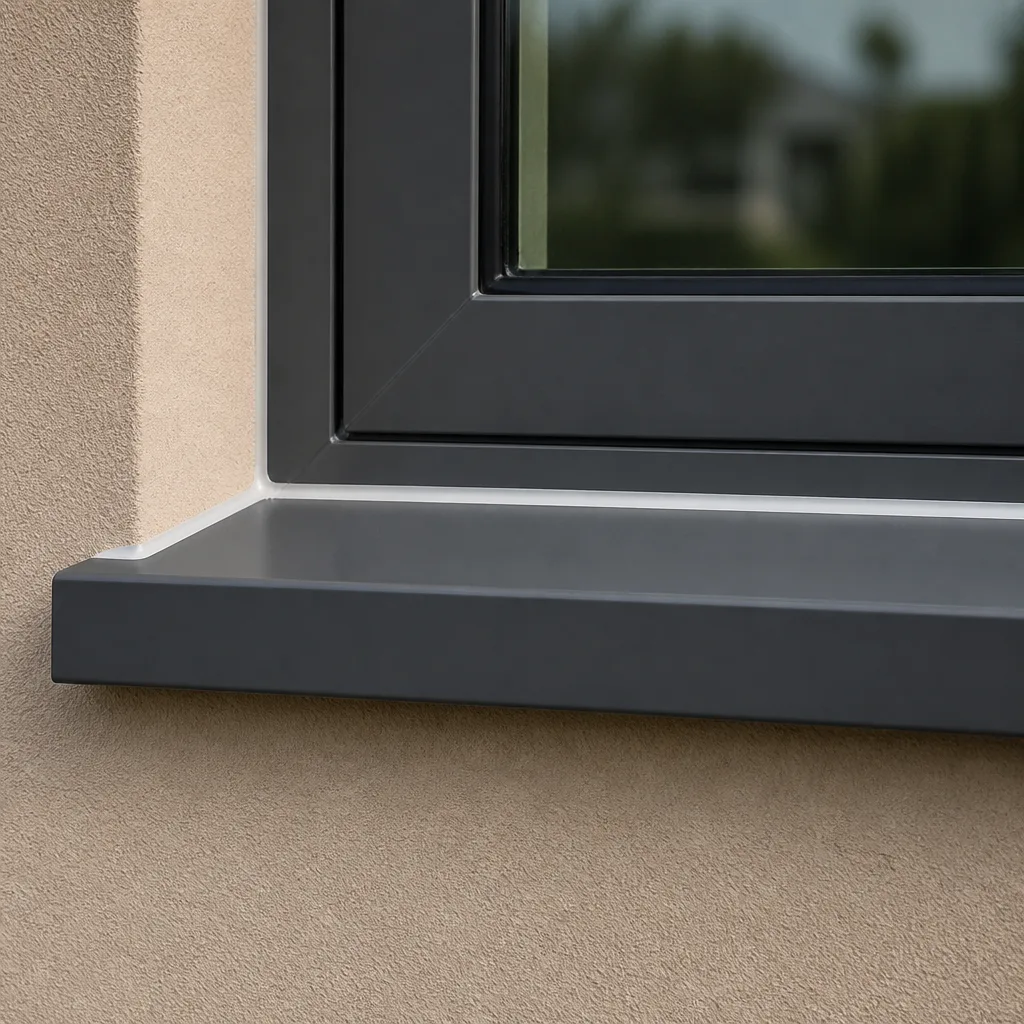
The DIY-vs-professional question for Princeton homeowners is decided at the permit counter and the insurance desk, not just at the workbench. Florida’s owner-builder exemption creates a legal path for primary-residence work, but it carries a resale disclosure that can derail financing and an inspection standard that fails 40-50% of first-time HVHZ attempts on flashing, anchors, or sealant. The actual savings on a typical project are $835-$2,630, not the headline labor figure, and the wind mitigation credit that helps pay for the project may be harder to document. For work that is genuinely maintenance - hardware, weatherstripping, interior trim - DIY is reasonable. For anything that touches the building envelope in Princeton’s HVHZ, professional installation with written documentation is the lower-risk economic choice.
Written by Sonia Raman, Owner at Sightline Windows & Doors Princeton, serving Princeton since 2012.