
Last updated September 24, 2026
Free in-home measure and quote - PGT, CGI and CWS impact lines compared on your actual openings, style by style
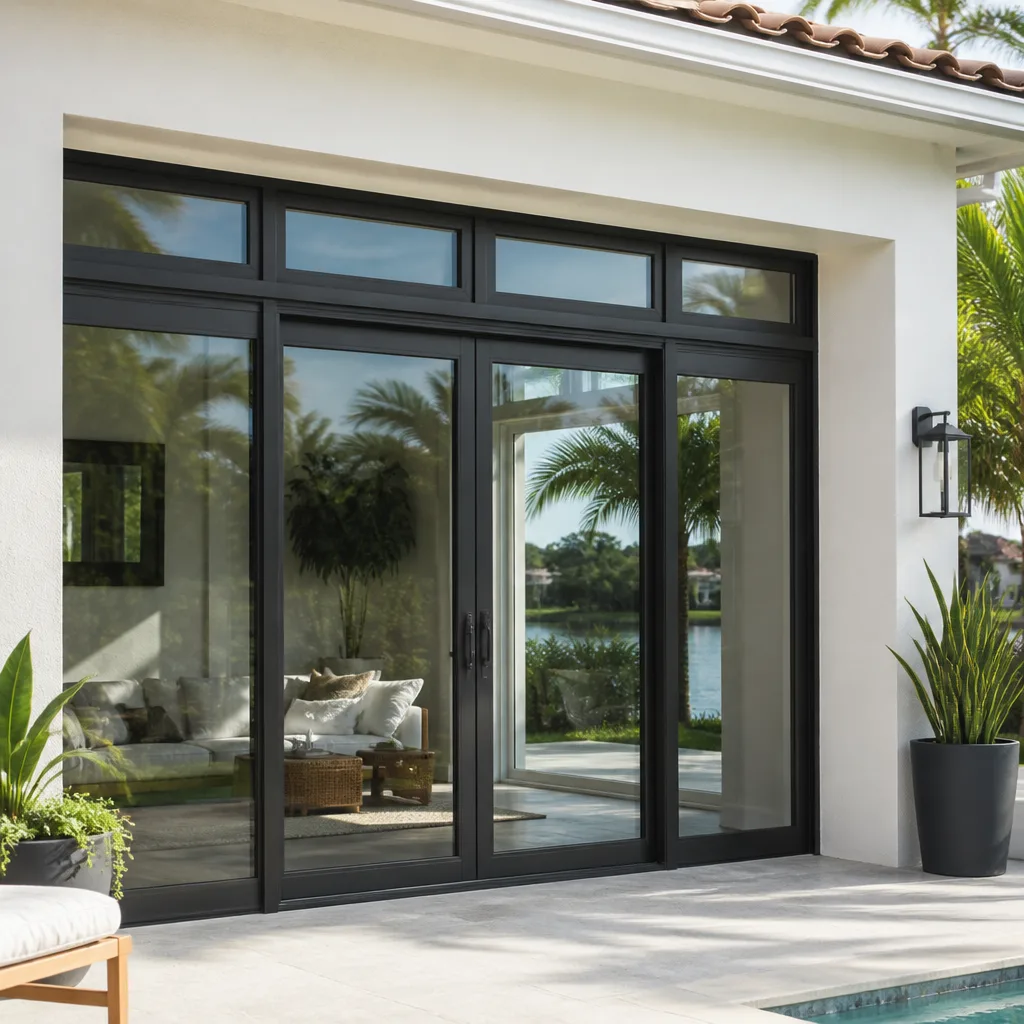
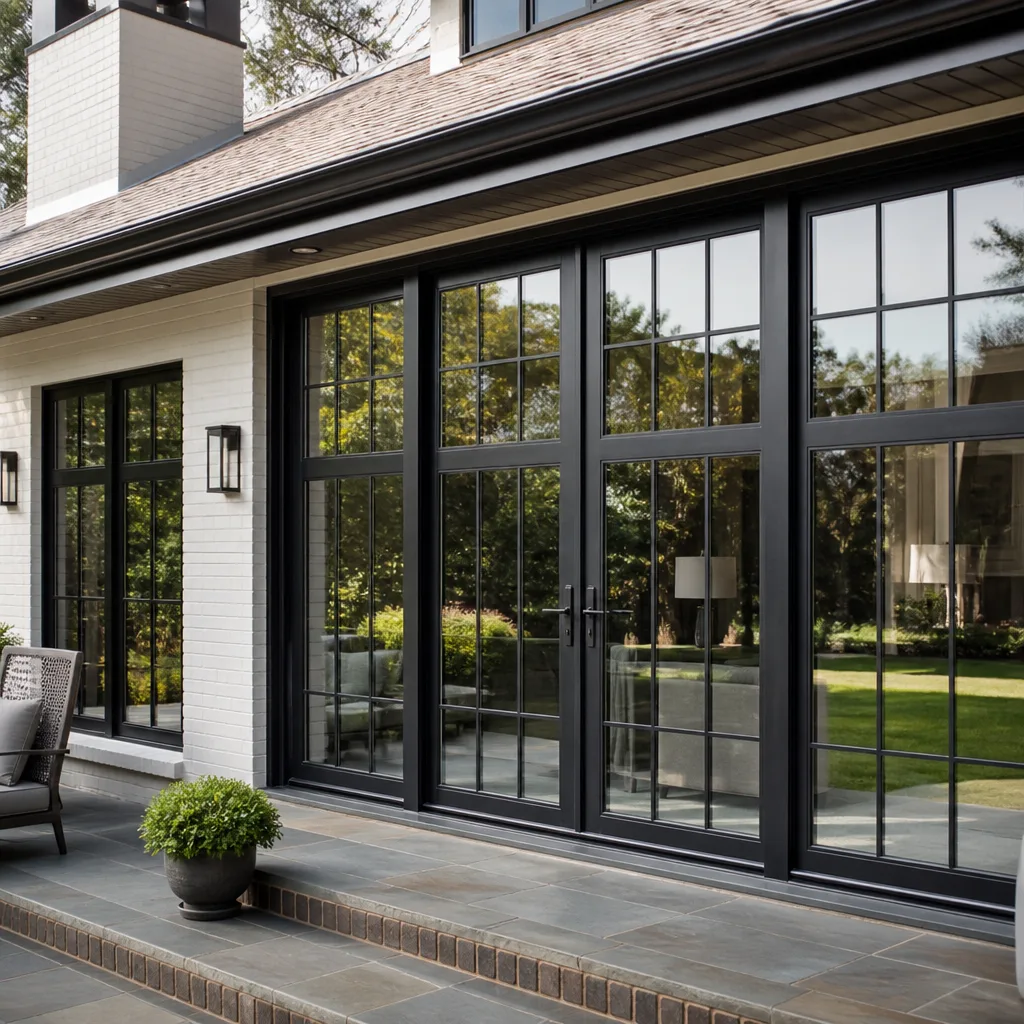
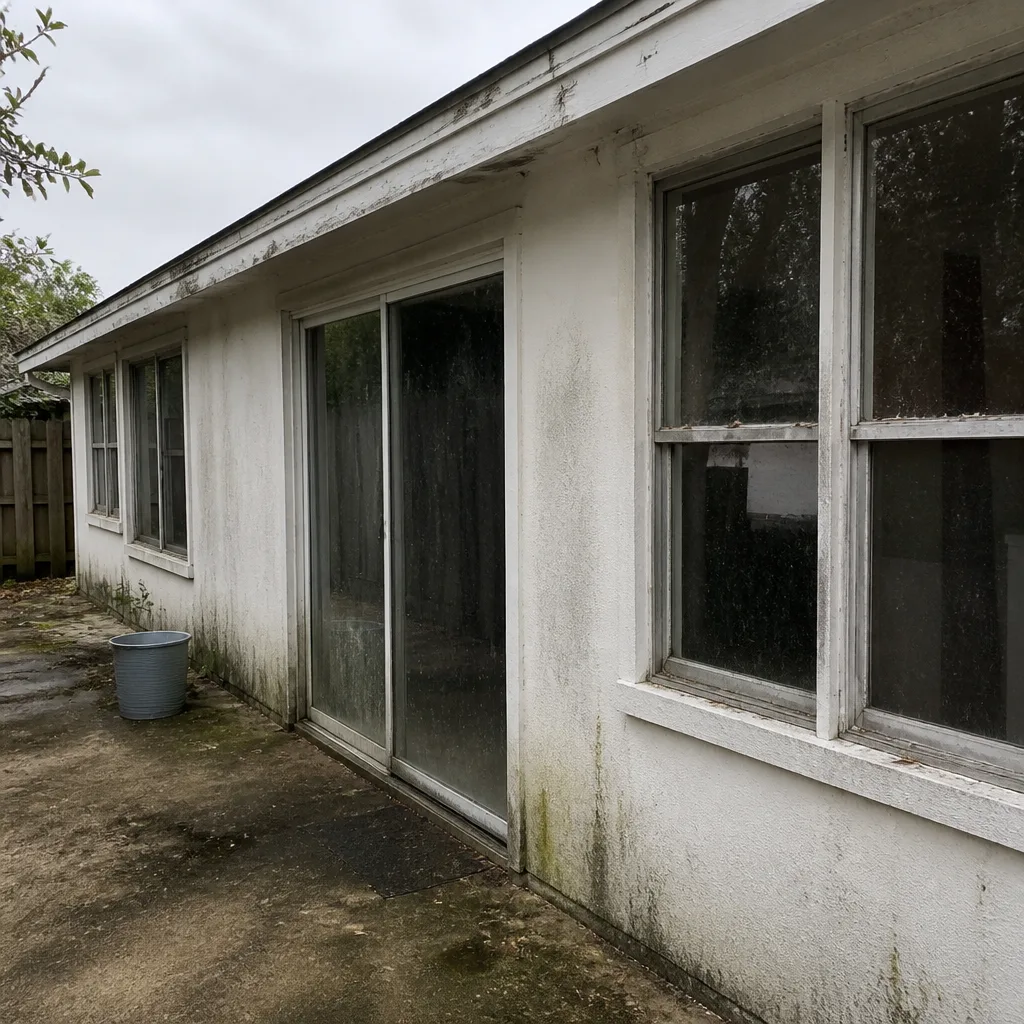 Before
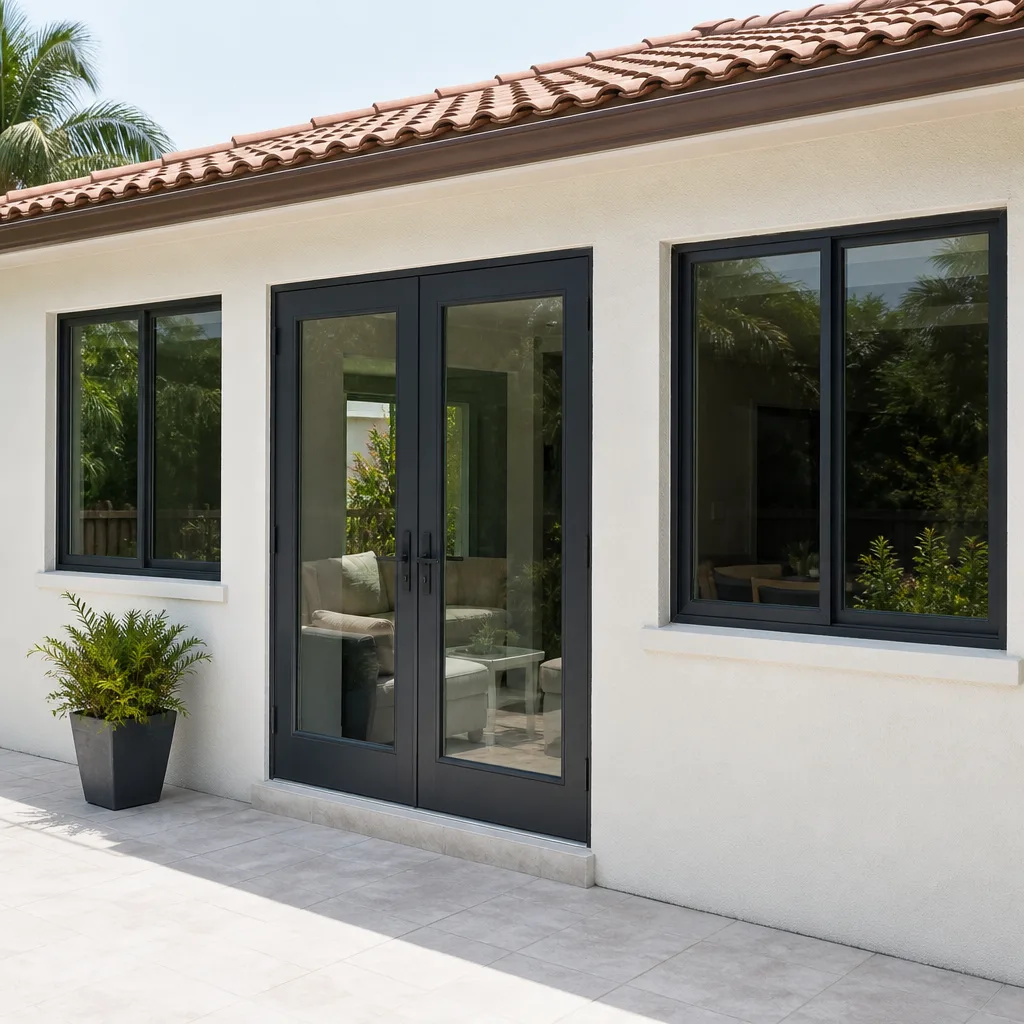 After
After Before
 After
After Before
 After
AfterHow to Hire a Windows & Doors Contractor in Princeton: A Step-by-Step Guide
Florida’s Construction Industry Licensing Board records show that the single most common complaint category against window contractors is “contract dispute over scope and price.” This is not a product failure problem. It is a documentation problem. In Princeton, where every opening must meet Miami-Dade HVHZ code and many homes sit on fill soil that shifts with the wet season, the gap between what a contractor promises and what they document in writing costs homeowners thousands in change orders, permit delays, and re-inspections. This guide - alongside our more guides & resources - teaches you to evaluate the quote document itself as the primary vetting tool, because the most expensive mistake is not choosing the wrong window; it is accepting a verbal scope that separates the quote from the final invoice.
Quick Answer
To hire a windows and doors contractor in Princeton, verify a current DBPR license with window/door permit authority, demand a measured-survey quote that matches the final invoice line for line, confirm the proposed product carries a valid Miami-Dade Notice of Acceptance (NOA), and require photo documentation in the written contract. Never sign a document that leaves room for “additional work as needed.”
Table of Contents
- The Three Types of Estimates: Ballpark, Detailed, and Measured-Survey
- How to Verify a Contractor’s License in Under Three Minutes
- Four Questions That Expose HVHZ Knowledge (or Guessing)
- What Florida Law Requires in Your Princeton Installation Contract
- The Photo-Documentation Standard Every Contract Should Include
- How to Vet the Actual Windows and Doors Being Proposed
- Reading a Line-Item Quote: What Should and Should Not Be Listed
- Common Mistakes to Avoid
- When to Call a Professional
- Frequently Asked Questions
- The Bottom Line
 Before
 After
AfterThe Three Types of Estimates: Ballpark, Detailed, and Measured-Survey
Most Princeton homeowners do not know they are receiving three fundamentally different documents, each with different legal weight. Contractors know this ambiguity works in their favor.
The ballpark estimate is a verbal range, sometimes followed by an email with round numbers. “Probably eight to twelve thousand” is a ballpark. It has no measured openings, no product specifications, no permit line item, no labor breakout. It is not a contract. It is a conversation starter, and it exists so the contractor can arrive on installation day with a higher number and blame “unforeseen conditions.” We see this regularly in Princeton neighborhoods like Princetonian and the streets near SW 200th, where 1980s block construction hides steel lintels that complicate retrofits.
The detailed quote looks more legitimate. It lists products, quantities, and a total. But read closely: the quantities are often estimated (“approx. 12 windows”), the products are described by series name without NOA number, and the total is subject to “final field verification.” This means the contractor reserves the right to change the price after demolition begins. The detailed quote is the most dangerous document because it feels complete while leaving every variable open.
The measured-survey invoice is the only bindable document. At Sightline Windows & Doors Princeton home, this is Haven Clause 1: the measurement and the quote are the same document. The technician records every opening with frame width, frame height, wall thickness, sill condition, and interior trim exposure. That measured survey becomes the line-item quote. The quote becomes the invoice. If the numbers change, the contractor absorbs it, not the homeowner. This is the standard we have applied to all 18,000+ openings since 2012.
Ask any contractor which document they provide. If they hesitate, or if they describe a “two-step process” where measurement happens after contract signing, you are looking at a price that will move.
How to Verify a Contractor’s License in Under Three Minutes

Not every person who installs windows in Princeton can legally pull a permit for the work. Florida law is specific, and the wrong license type creates a cascade problem: unpermitted work, failed inspections, and no recourse through the Construction Industry Recovery Fund.
Four license types can legally pull a window or door permit in Miami-Dade County:
- Certified General Contractor (CGC) - unlimited scope, including structural modifications to openings
- Certified Building Contractor (CBC) - commercial and residential structures up to three stories
- Registered General Contractor (RG) - county-registered, same scope as CGC within Miami-Dade
- Registered Building Contractor (RB) - county-registered, same scope as CBC within Miami-Dade
Window-only specialty licenses exist in other states. They do not exist in Florida. If a contractor shows you a “window installer” certificate from a manufacturer or a home-improvement salesperson registration, that is not a permit-pulling license.
To verify in under three minutes:
- Go to myfloridalicense.com (DBPR license search)
- Enter the contractor’s name or license number
- Confirm the license status reads “Current/Active”
- Check the “Contractor” category matches CGC, CBC, RG, or RB
- Click “View License Detail” and verify there are no open complaints or disciplinary actions
In Princeton, where Miami-Dade’s HVHZ code applies to every opening, the permit is not optional. An unpermitted window replacement voids your homeowners insurance if wind damage occurs, and the county can require removal at your expense. The $400 permit fee is not where contractors save money; they skip permits to avoid the inspection that would reveal improper installation.
At Sightline, every technician’s license number is provided before arrival - Haven Clause 3, Verified Crews. We encourage every homeowner to run that number through DBPR before the measured survey begins.
Four Questions That Expose HVHZ Knowledge (or Guessing)
Princeton sits in Miami-Dade’s High Velocity Hurricane Zone. Every window and door must meet ASCE 7 wind load calculations and carry a Miami-Dade Notice of Acceptance (NOA) specific to the exact product and installation method. A contractor who treats this as checkbox compliance will cost you the re-inspection fee, the delay, and potentially the product itself.
These four questions separate contractors who have installed in HVHZ from those who have not:
1. “Which Miami-Dade NOA covers the product you’re proposing, and what is the design pressure rating for my specific exposure category?”
A knowledgeable contractor answers immediately with a document number, not a promise to “look it up.” Exposure B (suburban, shielded) and Exposure C (open terrain, near water) produce different pressure requirements. In Princeton, homes near the C-100 canal or the undeveloped parcels south of SW 216th Street often face Exposure C conditions that demand higher DP ratings. The NOA must match. Products from our window installation in Princeton portfolio, including CWS and ES Windows lines, carry NOAs with explicit DP ratings by exposure.
2. “What fastening schedule does the NOA require for my wall type, and will you provide the signed affidavit?”
Block construction, wood frame, and steel stud each require different anchor types, embedment depths, and spacing. The NOA specifies; the contractor must follow. The signed installer affidavit is what the building inspector reviews. No affidavit, no inspection pass. A contractor who shrugs at “fastening schedule” has not read the NOA.
3. “How do you handle the sill pan flashing integration with my existing stucco?”
This is where most Princeton failures occur. The wet season drives water into every gap. Proper sill pan installation requires cutting stucco, installing integrated flashing, and sealing with compatible materials - not caulk over the old seal. ECO Window Systems and Mr-Glass products we specify include manufacturer-specific flashing details that must be followed exactly for the NOA to remain valid.
4. “Will the installation comply with FBC 2020 R613.7 for emergency escape and rescue openings, and how does that affect the hardware specification?”
Bedroom windows in Princeton homes must meet egress requirements regardless of when the home was built. A replacement that reduces the clear opening below code is a failed inspection. The hardware - specifically the latch and sash release - must allow operation without tools. This affects product selection directly.
A contractor who deflects to “our products are all code-compliant” has not answered the question. Code compliance is installation-specific, not product-generic.
What Florida Law Requires in Your Princeton Installation Contract

Florida Statute 489.126 mandates specific provisions in every home improvement contract over $2,500. Most Princeton homeowners have never seen a fully compliant document. Most contractors rely on this ignorance.
The statute requires:
- The contractor’s name, address, and license number - exactly as registered with DBPR
- A description of the work, including materials and equipment, “sufficiently detailed to enable identification”
- The total contract price, including all charges for labor and materials
- The terms and schedule of payment, with specific limits: no more than 10% or $1,000 (whichever is less) as deposit before work begins; no final payment before substantial completion
- Approximate start and completion dates
- A notice of the customer’s three-day right to cancel
- A statement that the contractor is licensed and insured, with license and certificate of insurance numbers
What the statute requires and what most contracts omit are not the same. We regularly review competitor quotes brought in for our window replacement in Princeton free second opinion service. Common omissions include:
- No permit line item, or a vague “permits if required” clause that shifts cost and responsibility
- No product NOA reference, making substitution trivial for the contractor
- No photo-documentation requirement, leaving no evidence of pre-existing conditions or completed work
- “Additional work as needed” language that nullifies the fixed price
- Payment terms that exceed statutory limits, sometimes demanding 50% deposit
Under the Haven Standard, our contracts include every statutory requirement plus Haven Clause 1 (written price before work), Haven Clause 4 (evidence on every job via photo record), and Haven Clause 5 (no surprises - the measured survey and invoice match). The contract is the same document you signed at quote; nothing is reissued with different numbers.
The Photo-Documentation Standard Every Contract Should Include
The absence of a photo-documentation clause in a window or door contract is a signal. It signals that the contractor does not expect to be held accountable for pre-existing conditions, installation quality, or finished appearance. It also signals that you will have no evidence if a dispute arises.
A legitimate photo-documentation standard includes four categories:
- Pre-installation record: Every opening before demolition, showing existing frame condition, surrounding wall, interior trim, and any damage or irregularity. This protects both parties from claims that “the crack was already there.”
- Mid-installation record: Rough opening after removal, showing framing condition, flashing installation, and fastening placement. This is the evidence the inspector never sees - the work behind the finish.
- Post-installation record: Completed opening from interior and exterior, showing alignment, sealant application, trim integration, and hardware operation.
- Product verification: Labels, NOA markings, or manufacturer tags visible in the frame, proving the specified product was installed.
In Princeton’s climate, the mid-installation record is particularly critical. The summer wet season can expose flashing failures within weeks, but by then the wall is closed. A photo of the sill pan integration, properly lapped and sealed, is the only evidence that correct work was performed.
Haven Clause 4 requires this documentation on every job. Our customers receive a dated photo record with every invoice. It is not an upsell. It is standard evidence, and it has resolved disputes before they begin - including a 2023 Princeton job where a homeowner’s insurance adjuster initially denied a water damage claim, then accepted it after review of our mid-installation photos showing proper flashing.
If a contractor’s contract does not mention photo documentation, ask why. The answer will tell you whether they build evidence or avoid it.
How to Vet the Actual Windows and Doors Being Proposed
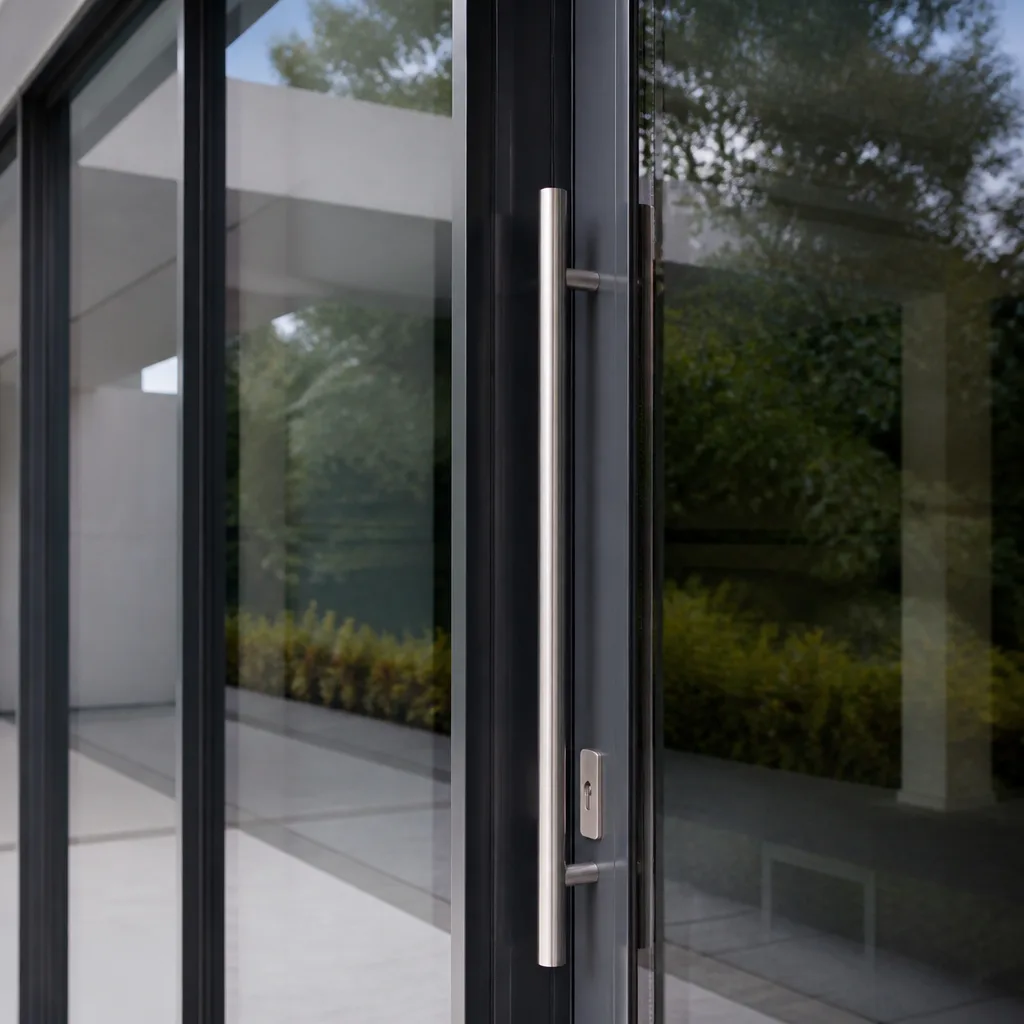
Contractors often propose by brand name alone: “PGT” or “Therma-Tru.” This is insufficient. Each manufacturer produces multiple product tiers with different performance characteristics, and the tier proposed determines whether you are getting appropriate value or excess margin for the contractor.
Demand specification by performance, not brand. The key metrics:
- U-factor: Rate of heat transfer. Lower is better. For Princeton’s cooling-dominated climate, 0.30 or below is appropriate; 0.25 or below is high performance.
- SHGC (Solar Heat Gain Coefficient): Fraction of solar radiation admitted. Lower reduces cooling load. Princeton’s latitude and exposure favor 0.25 or below for west-facing openings.
- DP (Design Pressure): Structural rating in pounds per square foot. Must match or exceed HVHZ requirements for your exposure category.
- Air infiltration: Cubic feet per minute per linear foot of crack. Below 0.30 cfm/lf is tight; below 0.20 is excellent.
A contractor who cannot produce these numbers for the specific product proposed is specifying by margin, not by opening requirement - a gap our Window Installation Maintenance Checklist for Princeton Homeowners helps you close. At Sightline, we specify from eight manufacturer lines - PGT, CGI, CWS, ES Windows, ECO Window Systems, Mr-Glass, Therma-Tru, and ViewLux - selected by what the opening requires, not by what is in stock. A west-facing Princeton bedroom with afternoon sun gets different glazing than a north-facing garage door. The specification document shows the reasoning.
Also verify: is the product in current production with active NOA, or is it closeout inventory with limited warranty support? We have encountered competitors in Princeton installing discontinued lines with NOAs set to expire within months. The homeowner saves marginally upfront and loses all recourse when the NOA lapses.
Reading a Line-Item Quote: What Should and Should Not Be Listed
The final test of a contractor’s honesty is the quote document itself. A proper line-item quote for door installation in Princeton or window work should contain:
| Line Item | What It Should Include | Red Flags |
|---|---|---|
| Product | Manufacturer, series, size, glazing specification, NOA number | “White vinyl window, approximate size” or “or equal” language |
| Permit | Miami-Dade building permit fee, separate line item | “Permits if required” or omission entirely |
| Labor | Removal, installation, trim, sealant, cleanup - broken out or with clear scope | Labor buried in product price with no breakout |
| Materials | Fasteners, flashing, sealant, insulation, trim - specified by type | “Miscellaneous materials” lump sum |
| Disposal | Old product removal and disposal fee | Assumed or omitted, then charged later |
| Warranty | Manufacturer warranty term and contractor workmanship guarantee term | “Lifetime warranty” with no defining document |
What should never appear: “allowances,” “contingency,” “additional work as needed,” or percentage-based “management fees.” These are price-escalation mechanisms disguised as standard practice.
In Princeton’s market, we see quotes with 15-20% “contingency” lines regularly. On a $15,000 job, that is $2,250-$3,000 of undefined cost. The Haven Standard prohibits this. Haven Clause 1 means the measured survey captures all visible conditions; Haven Clause 5 means the price does not change. If we encounter concealed damage - rotted framing behind stucco, for example - we document it, photograph it, and present a separate written amendment with specific scope and price before proceeding. The original quote remains fixed.
Common Mistakes to Avoid

- Accepting a verbal quote with “we’ll write it up later.” The later document never matches the conversation. Princeton homeowners in the Princetonian subdivision have told us they received verbal quotes 30% below final invoices - always with blame shifted to “unexpected conditions.”
- Paying more than the statutory deposit. Florida limits this to 10% or $1,000, whichever is less. A contractor demanding more is either undercapitalized or planning to use your funds to complete someone else’s job.
- Skipping permit verification. Miami-Dade’s online permit search takes two minutes. Unpermitted work in Princeton is discovered at sale, refinance, or insurance claim - never conveniently.
- Ignoring the NOA expiration date. Products with lapsed NOAs cannot pass inspection. We have seen competitors install windows with NOAs expiring within 90 days, leaving homeowners with non-compliant openings.
- Assuming all “impact windows” are equal. Impact-rated is a test standard, not a performance level. The NOA specifies the missile size, pressure cycle, and installation method. A product rated for small missile in one application may not qualify for large missile in another.
- Neglecting to verify insurance. Request a certificate of insurance naming you as certificate holder. General liability and workers compensation are minimums. Without it, a worker injury on your Princeton property becomes your homeowner’s policy problem.
- Choosing by lowest price among non-binding quotes. A ballpark estimate of $8,000 against a measured-survey quote of $10,000 is not a savings. It is a different document promising different things. Compare only binding, line-item quotes with identical scope.
When to Call a Professional
Certain conditions in Princeton make DIY or handyman window replacement not merely inadvisable but structurally and legally problematic. Call a licensed, permitted professional when:
- The opening exceeds 48 square feet or involves structural modification to the frame
- The wall is block construction requiring concrete anchors and potential rebar interference
- The product is impact-rated, requiring NOA-compliant installation for warranty and insurance validity
- The home was built before 1992, when Florida’s first statewide wind code took effect - framing may not support modern fastening schedules without reinforcement
- Multiple openings are being replaced, triggering Miami-Dade’s requirement for a registered contractor and building permit
Sightline Windows & Doors Princeton offers free estimates in Princeton - call (786) 977-2953. Every estimate begins with a measured survey you keep, and the written quote is the same document as the final invoice. We also provide free second opinions on any written estimate from another contractor.
Frequently Asked Questions
Window replacement in Princeton typically ranges from $650 to $1,400 per opening for vinyl impact-rated products, with wood-clad and architectural custom work ranging higher; see our Windows & Doors Cost Breakdown: The Princeton Homeowner’s Reference for 2026 for full pricing context. The variation depends on size, glazing specification, wall type, and whether stucco repair is required. Call (786) 977-2953 for a measured survey and exact written quote - estimates are free.
Search myfloridalicense.com using the contractor’s name or license number. Verify status reads “Current/Active,” the license type is CGC, CBC, RG, or RB, and no disciplinary actions appear. This takes under three minutes and is the single most important verification step.
A Notice of Acceptance is Miami-Dade County’s engineering review confirming a product meets HVHZ wind and impact requirements for a specific installation method. Without a current NOA, the product cannot pass inspection and your installation is not insurable. Always request the NOA number and verify it at miamidade.gov/building.
Under a measured-survey quote, it should not. The Haven Standard prohibits price changes unless concealed damage is found, documented, and approved via separate written amendment. If your contract contains “additional work as needed” or percentage contingencies, the price can and likely will change. Call (786) 977-2953 for a fixed-price second opinion on any estimate.
Yes. Sightline pulls all required Miami-Dade permits as a standard line item in every quote, with permit numbers provided. We schedule inspections and provide the passed inspection documentation. Unpermitted work voids insurance coverage and creates title problems at sale.
Most residential retrofits of 8-12 openings complete in 2-3 working days, assuming no structural modifications. Permit issuance from Miami-Dade typically takes 5-10 business days for window-only work. We provide start and completion dates in every contract, with Haven Clause 2 (Arrive on schedule) governing our scheduling commitments.
The Bottom Line
The contractor you hire in Princeton will be distinguished not by their brochure or their truck wrap, but by the document they ask you to sign. A measured-survey quote that becomes the binding invoice, with line-item product specification, permit accountability, photo-documentation requirements, and statutory payment protections, is the only document that eliminates the “contract dispute over scope and price” that dominates CILB complaints. Everything else is a promise waiting to be revised. Verify the license. Read the NOA. Demand the photo record. And never sign a quote that separates measurement from price.
Written by Sonia Raman, Owner at Sightline Windows & Doors Princeton, serving Princeton since 2012.