
Last updated September 24, 2026
Free in-home measure and quote - PGT, CGI and CWS impact lines compared on your actual openings, style by style
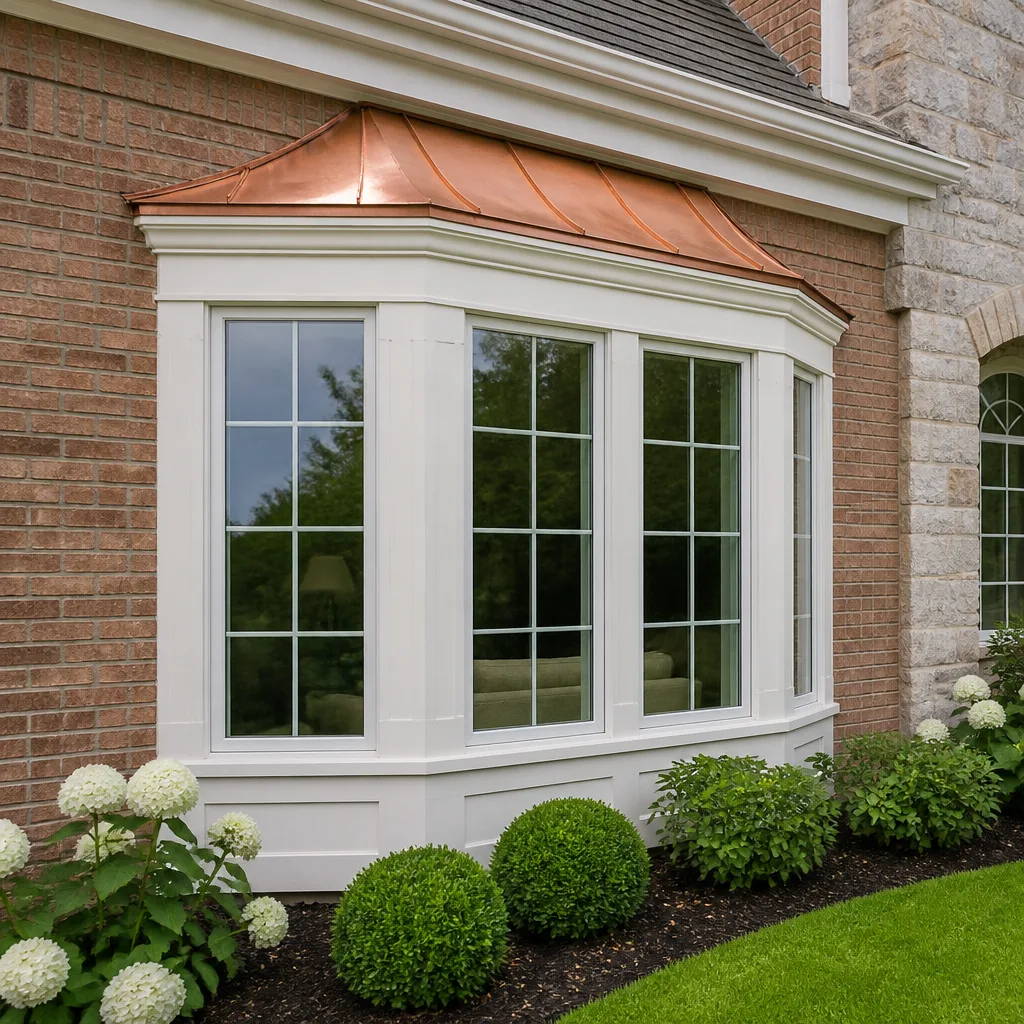
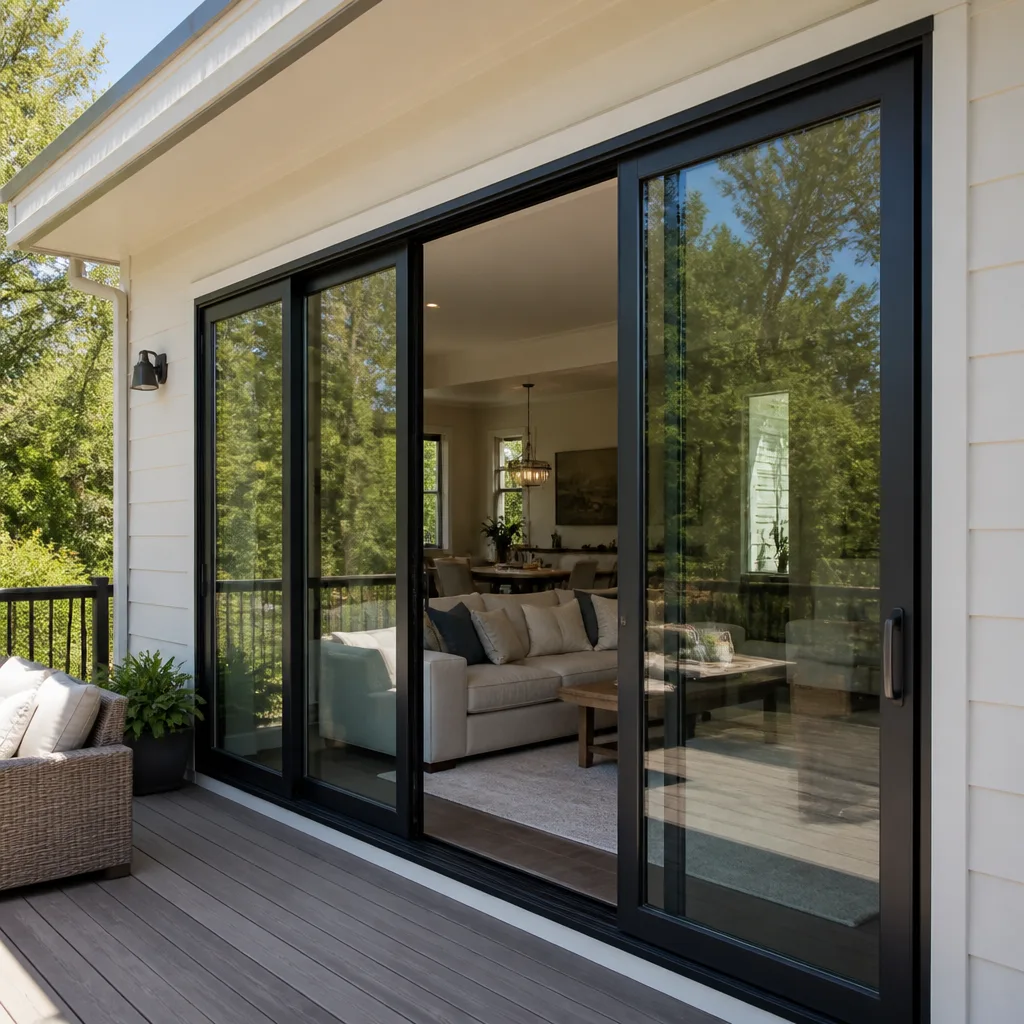
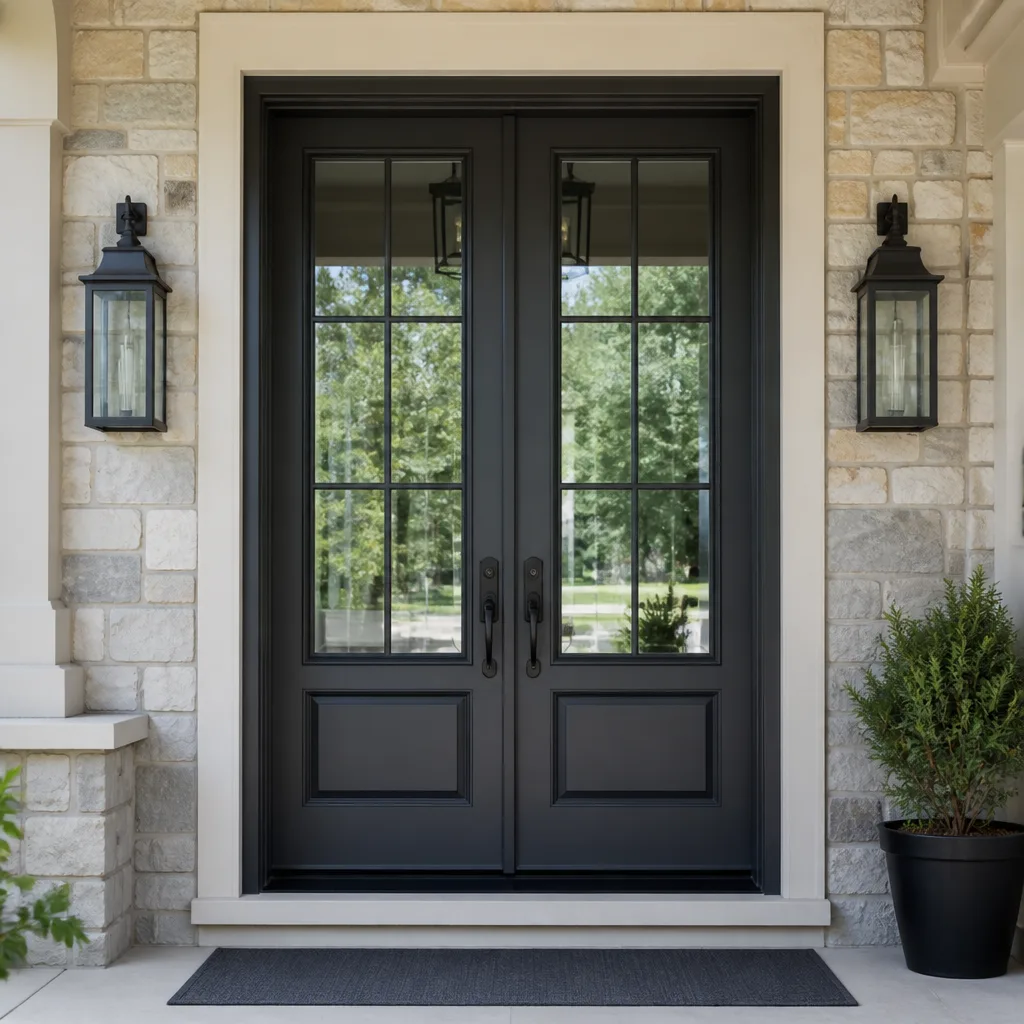
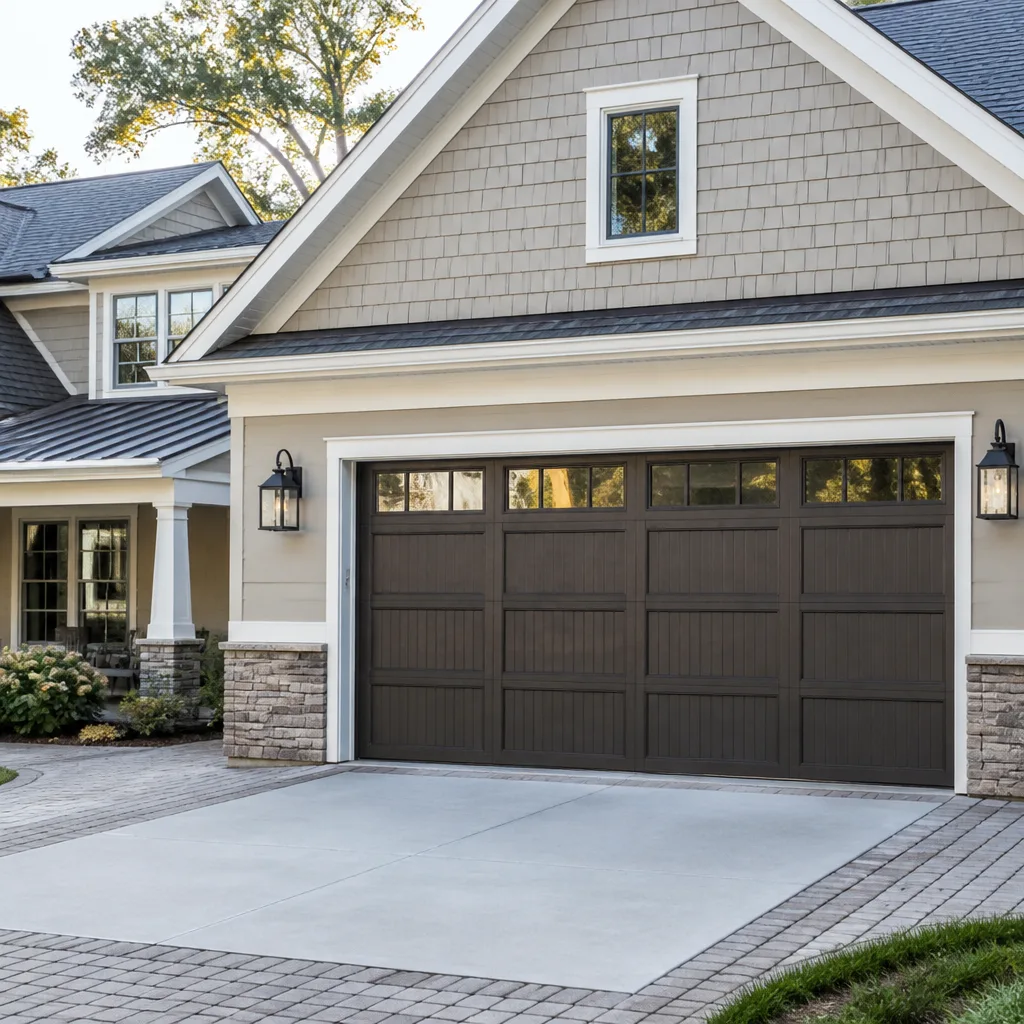
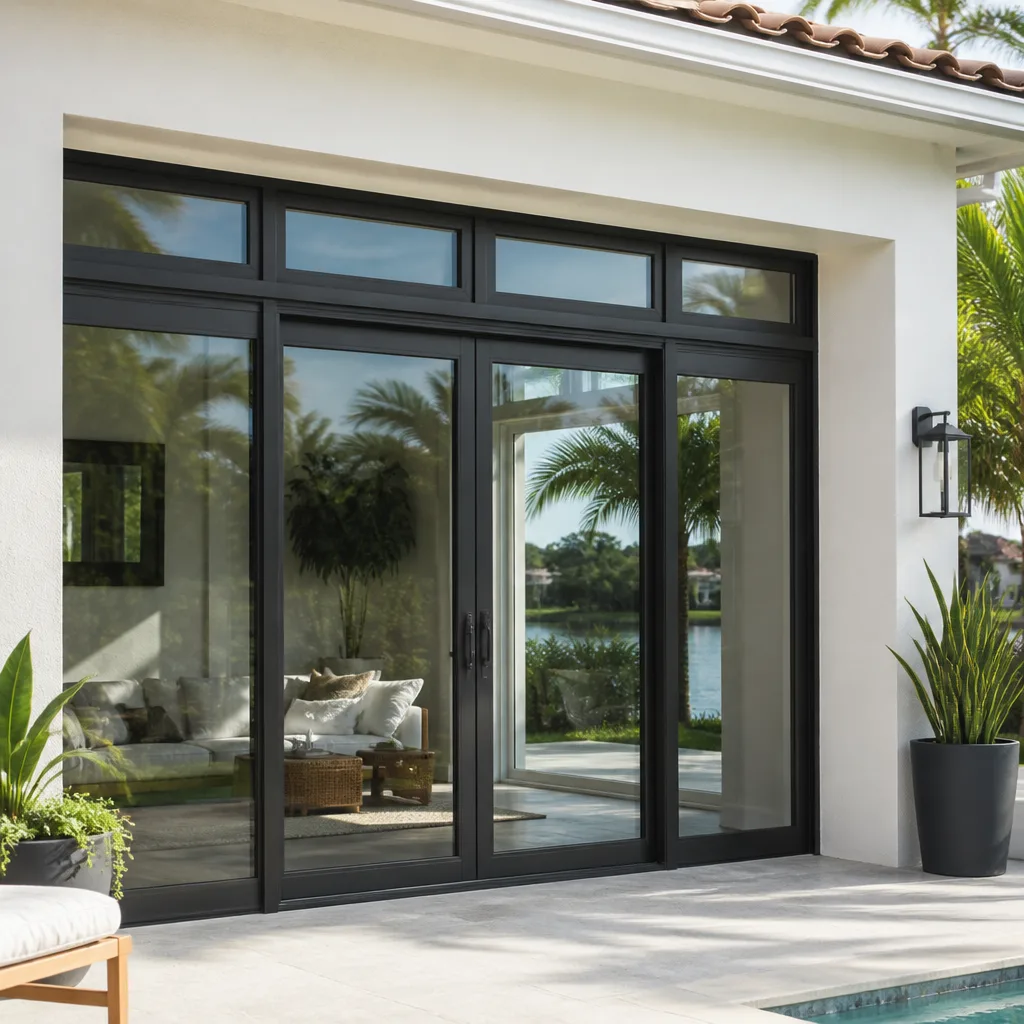
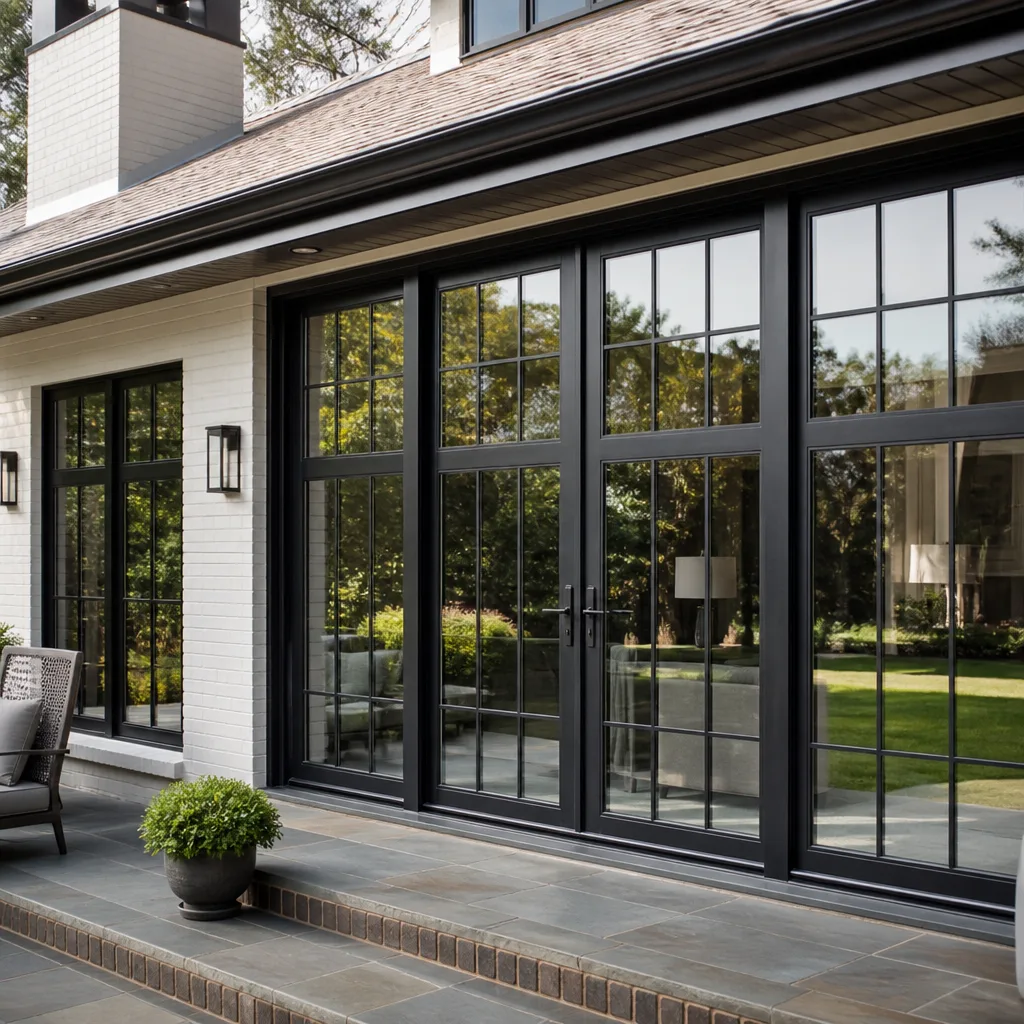
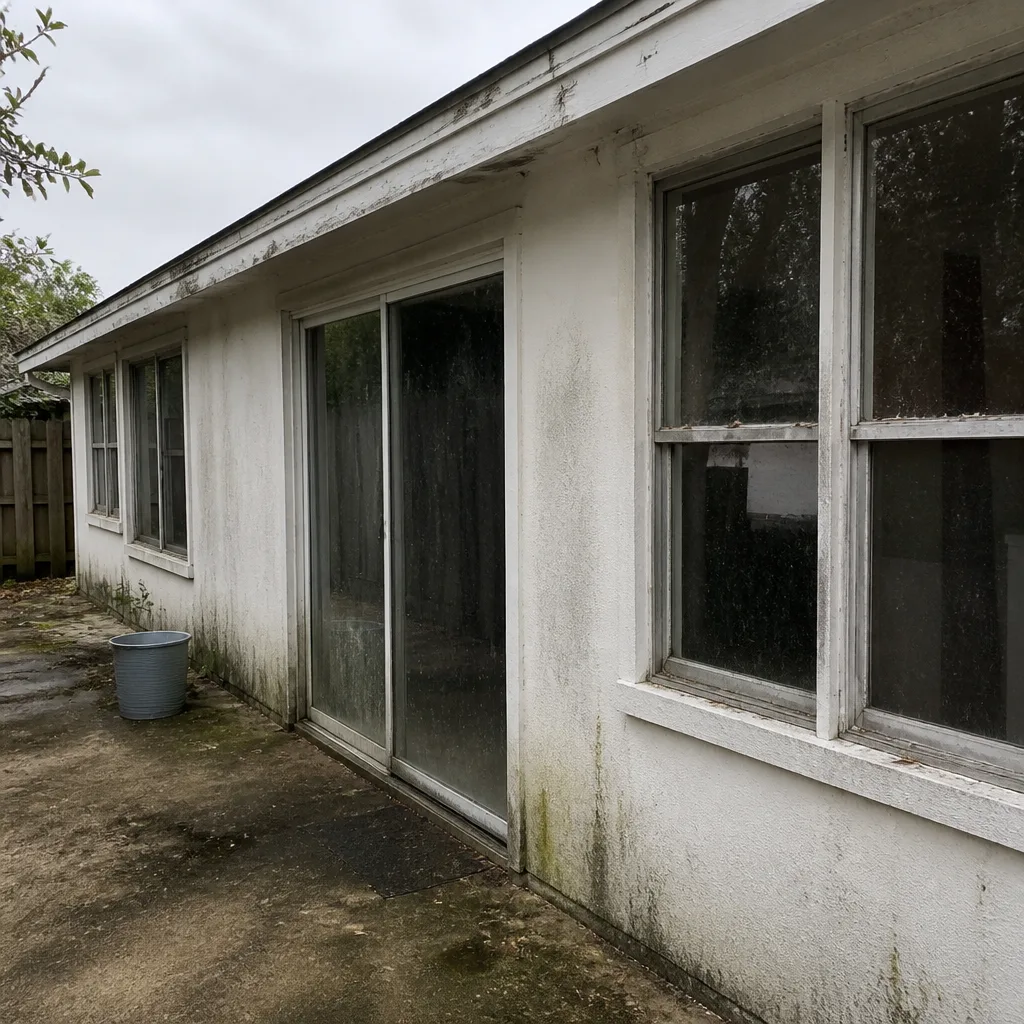 Before
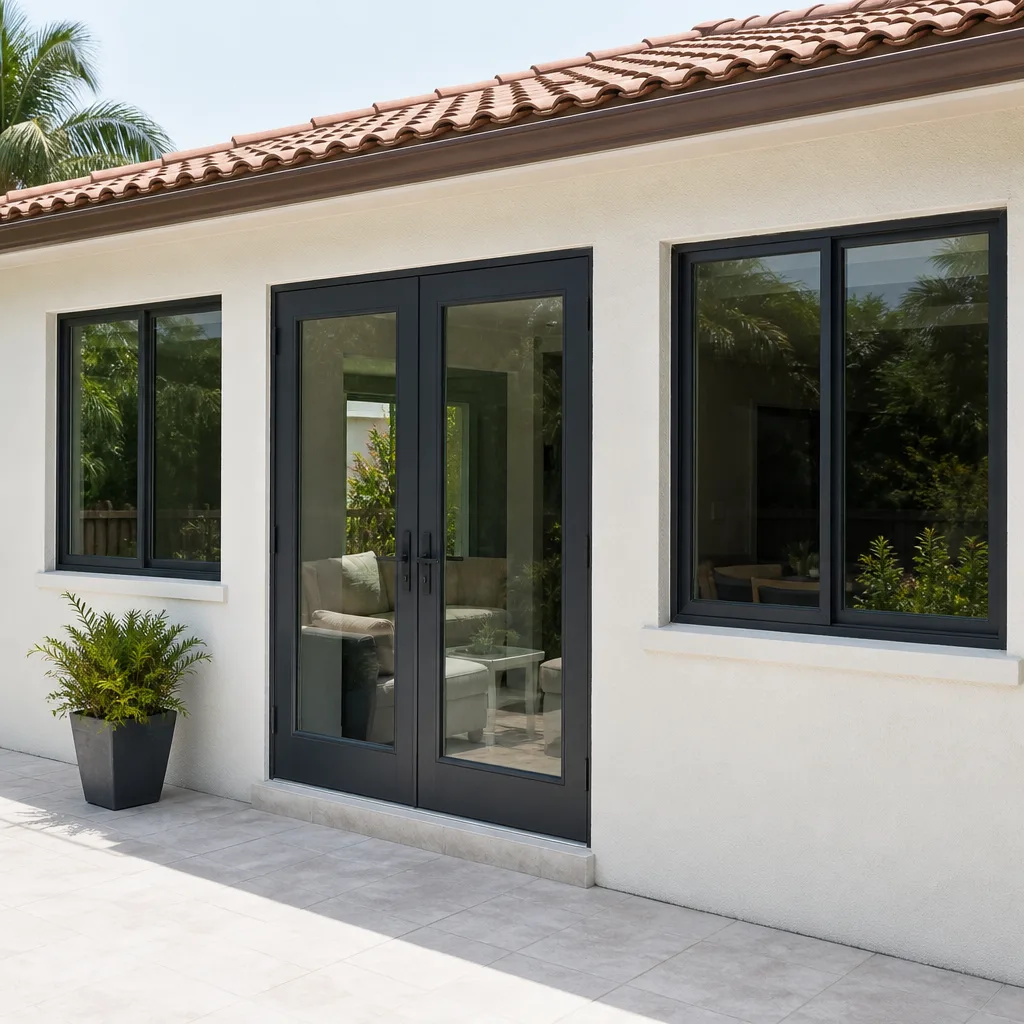 After
After Before
 After
After Before
 After
AfterWindows & Doors Warning Signs: A Princeton Homeowner’s Reference Guide
A Princeton window doesn’t announce its failure. It quietly adds $18-$34 per month to a cooling bill for 18 months before the first visible condensation ring appears on the interior sill. By then, the insulated glass unit has degraded past the point where a simple reglazing is cost-effective. Most warning-sign guides stop at what you can see: fogged glass, sticking sashes, drafts you feel with your hand. This guide covers what you can measure - the air infiltration readings, water test results, and hardware torque specs that reveal failure before it becomes expensive. In Princeton’s climate, where soil subsidence near the Everglades boundary racks frames and opens sash-to-frame gaps that northern guides never mention, catching these early signs protects both your energy bills and your impact-rating certification.
Quick Answer
Windows and doors in Princeton homes show failure first through measurable data, not visible symptoms. An annual blower-door reading above 3.5 ACH50, sash-to-frame gaps exceeding 3/16 inch, or sealant cracks wider than 1/8 inch at the frame-to-rough-opening joint indicate active degradation that will void impact ratings and accelerate energy loss. Cosmetic issues like minor frame discoloration or dated hardware can wait; structural separation, lintel deflection, or failed glazing seals require professional assessment before the next storm season.
Table of Contents
- Seal Failure: The Hidden Cost Before Condensation Appears
- Frame Degradation: When the Opening Itself Shifts
- Hardware Failure: Torque, Alignment, and Security
- Installation Failure: What the Original Contractor Got Wrong
- Princeton-Specific Failure Modes: Soil, Salt, and Storm Cycling
- Cosmetic vs. Structural: What Can Wait and What Cannot
- The Homeowner Measurement Guide: Tools and Thresholds
- Common Mistakes to Avoid
- When to Call a Professional
- Frequently Asked Questions
 Before
 After
AfterSeal Failure: The Hidden Cost Before Condensation Appears
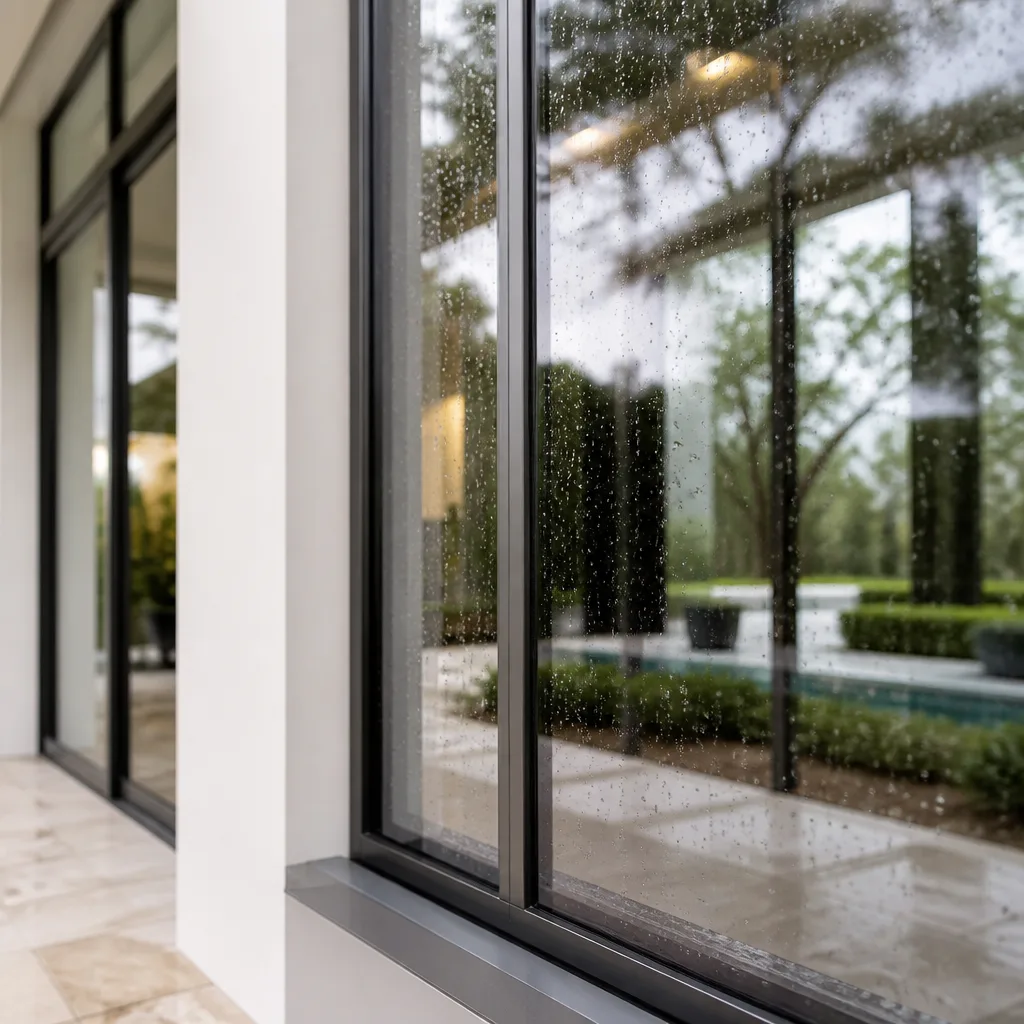
Insulated glass units, or IGUs, fail from the edge inward. The desiccant-filled spacer bar that separates two panes of glass absorbs moisture for years until it saturates. In Princeton’s cooling-dominated climate, that saturation point arrives faster than homeowners expect because air conditioning runs 10-11 months annually, creating constant temperature differentials across the glass.
The measurable warning signs precede visible fogging by 12-24 months:
- Center-of-glass temperature variation. On a 95°F Princeton afternoon with interior air at 76°F, a healthy IGU’s interior surface should read 82-86°F on an infrared thermometer. Readings below 78°F indicate argon or krypton gas loss and reduced insulating value. We’ve documented IGUs in Princeton’s older subdivisions near SW 288th Street reading 71°F in July - the homeowner saw no fog, but the unit was performing like single-pane glass.
- Spacer bar sightline distortion. Look at the edge of the glass where the spacer is visible. A straight, uniform line is normal. Any bowing greater than 1/16 inch over a 24-inch span indicates seal stress from thermal cycling or frame racking. This is common in Princeton homes built 2015-2019 on filled wetland sites where differential settlement torques the frame.
- Desiccant color change. Some high-performance units from manufacturers like PGT and ViewLux include visible desiccant indicators at the spacer edge. A shift from blue to pink means the desiccant is spent; fogging follows within 6-12 months in Princeton’s humidity.
Once visible condensation appears between panes, the IGU is not repairable. Reglazing - replacing just the glass unit - costs $340-$620 per opening in the Princeton market, depending on size and whether the sash must be removed. Full sash replacement runs $680-$1,400. The 365-Day Done Right Promise covers both, but Haven Clause 1 means the written price for either option is established before any work starts.
IGU failure also voids impact-rating certification. A window with a failed seal has not been tested or approved for missile impact or cyclic pressure loading. In Miami-Dade County’s High Velocity Hurricane Zone, that certification matters for insurance coverage and resale disclosure.
Frame Degradation: When the Opening Itself Shifts

Frame degradation in Princeton differs from northern climates in one critical respect: soil subsidence. The limestone and sandy soils near the Everglades boundary consolidate unpredictably, particularly on lots with filled wetlands or muck excavation. We’ve measured frame racking - where the rectangular opening becomes a parallelogram - in Princeton homes as young as six years old.
The thresholds that separate monitoring from action:
- Sash-to-frame gap tolerance: A double-hung or single-hung window should maintain a uniform 1/16-1/8 inch gap between sash and frame on all four sides. Measure with a feeler gauge at the lock side, hinge side, head, and sill. Variation exceeding 3/16 inch at any point indicates frame distortion. In Princeton, we regularly find gaps of 1/4 inch or more at the sill of south-facing windows where thermal expansion compounds subsidence stress.
- Frame-to-rough-opening separation: The exterior sealant joint between window frame and wall should show no visible crack wider than 1/8 inch. Wider cracks, or cracks that extend through the sealant to the underlying flashing, allow bulk water intrusion that damages sheathing and invites mold. In Princeton’s afternoon thunderstorm pattern, a 1/4-inch gap at the head flashing can admit gallons of water annually.
- Lintel deflection: Above door and window openings, the lintel should show no visible sag. Measure from a string line stretched tight across the opening: deflection exceeding 1/4 inch in a 6-foot span requires structural assessment. We’ve found this in Princeton’s townhome developments where concrete masonry unit lintels were undersized for the span.
Vinyl frames expand and contract with temperature. In Princeton’s climate, a dark-colored vinyl frame can move 1/8 inch per 10 feet of frame length between a January morning and an August afternoon. That movement is designed for. What is not designed for is permanent deformation - a bow that doesn’t return when temperatures equalize. Measure frame straightness with a 4-foot level: any deviation exceeding 1/16 inch per foot indicates material fatigue or structural loading the frame was not engineered to carry.
Aluminum frames, common in older Princeton homes and in impact-rated products from CGI and ES Windows, corrode at the weep holes and sill track when salt-laden air from Biscayne Bay penetrates inland. Weep holes should be visible and unobstructed; blockage causes water pooling that accelerates corrosion and stains interior sills.
Hardware Failure: Torque, Alignment, and Security
Window and door hardware fails in three measurable ways: torque loss, alignment drift, and engagement wear. Each has specific thresholds that separate adjustment from replacement.
Torque loss in operators: Casement and awning windows use crank operators with a specified torque range, typically 8-12 inch-pounds for residential units. A crank that spins freely or requires excessive force has internal gear wear or corrosion. In Princeton’s salt-air environment, we’ve replaced operators on 8-year-old PGT casements that tested below 4 inch-pounds - the sash no longer sealed against the weatherstrip under wind load.
Multi-point lock alignment: A multi-point lock system engages at the handle, the deadbolt, and one or more shoot bolts. All points must engage simultaneously. Test by closing the door on a dollar bill at each lock point: resistance should be firm and uniform. If the bill pulls free at any point, the door is not sealing and the lock is not securing. Misalignment of 1/16 inch or more at any point indicates frame racking, hinge wear, or improper installation.
Sliding door roller wear: A patio sliding door should move with 5-8 pounds of horizontal force, measured with a fish scale hooked to the handle. Force exceeding 12 pounds indicates roller wear, track damage, or debris accumulation. In Princeton’s sandy soils, we’ve found track contamination with construction grit and organic matter that accelerates roller failure. Replacement rollers for standard systems run $45-$120; custom systems from manufacturers like Therma-Tru may require proprietary parts at $180-$340.
Hinge screw torque: Door hinges should maintain screw torque of 25-30 inch-pounds. Loose hinges allow sag that compounds lock misalignment. Test with a screwdriver torque adapter; any screw that loosens under 20 inch-pounds or strips above 35 has damaged threads or improper pilot holes.
Security hardware deserves separate attention. A deadbolt should extend a full 1 inch into the strike plate. Any less, or any visible gap between face plate and door edge, indicates either hardware wear or door shrinkage from moisture cycling. In Princeton’s humidity, solid wood doors from any manufacturer will move; the question is whether the hardware accommodates that movement or fights it.
Installation Failure: What the Original Contractor Got Wrong

Installation failure is the most expensive category because it often requires complete removal and reinstallation. In Princeton’s market, we’ve audited enough competitor installations to identify recurring errors that show up in measurable form years later. Before hiring any contractor, review How to Hire a Windows & Doors Contractor in Princeton: A Step-by-Step Guide.
- Improper shimming sequence. Windows must be shimmed at the sill and head, never at the sides alone, to carry weight vertically through the frame. Side-only shimming transfers structural load to the sash, causing racking and hardware misalignment. We’ve found this in Princeton tract homes where speed of installation outweighed proper sequence. The evidence: diagonal cracks in drywall at the upper corners of the window, visible within 2-3 years.
- Missing or improperly lapped flashing. Pan flashing at the sill must extend up the jambs and be lapped over the weather-resistive barrier in shingle fashion. Reverse lapping - where upper flashing is tucked under lower - channels water into the wall. In Princeton’s driving rain events, this shows up as interior drywall staining at the sill, often misdiagnosed as window seal failure when it’s actually wall failure.
- Sealant substitution. The sealant at the frame-to-wall joint must be compatible with both frame material and wall cladding. We’ve removed butyl tape that was incompatible with painted aluminum, and urethane sealants applied over uncured substrates that never achieved adhesion. The test: probe the sealant joint with a putty knife. Proper adhesion shows cohesive failure (sealant splits); adhesive failure (sealant peels clean) means the joint was never sealed.
- Fastener schedule errors. Impact-rated windows in Miami-Dade County require specific fastener type, spacing, and embedment depth per the approved installation drawing. Substituting standard screws for masonry tapcons, or reducing spacing from 12 inches to 18 inches, voids the rating without visible evidence until the window fails under test or storm load. We verify fastener schedules on every window installation in Princeton against the manufacturer’s Miami-Dade Notice of Acceptance.
The measured survey that Sightline provides - the document the customer keeps - includes fastener locations, sealant bead dimensions, and shimming points. Haven Clause 1 means this survey and the written quote are the same document; nothing changes between measurement and invoice.
Princeton-Specific Failure Modes: Soil, Salt, and Storm Cycling
Princeton sits at the western edge of Miami-Dade’s developed area, where the Atlantic Coastal Ridge gives way to Everglades-influenced lowlands. This geography creates failure modes that don’t appear in generic window guides.
Soil subsidence and frame racking. The organic soils and rock-plowed fill common in Princeton’s 2000s-era subdivisions consolidate over 5-15 years. We’ve measured differential settlement of 3/4 inch across a 20-foot wall in a 2016-built Princeton home, producing parallelogram window openings that no adjustment can square. The sash-to-frame gap on one side measured 1/4 inch; on the opposite side, the sash rubbed the frame. Out-of-square openings exceeding 1/4 inch per side require structural correction before window replacement, or the new unit will fail the same way.
Salt-air penetration. Prevailing easterlies carry salt from Biscayne Bay and Card Sound inland. Aluminum frames and hardware within 8 miles of the coast - which includes all of Princeton - corrode faster than inland locations. We see pitting on anodized aluminum at 10 years that inland guides predict for 20. The threshold: pitting depth exceeding 0.005 inch compromises the anodized layer and accelerates substrate corrosion.
Thermal shock cycling. Princeton’s summer pattern - 92°F afternoon high, 76°F interior with AC running, afternoon thunderstorm dropping exterior surface temperature to 70°F in minutes - creates thermal shock stress at the glass edge and frame corners. This cycling fatigues sealants and spacer adhesives faster than steady hot or cold climates. We’ve documented IGU seal failure rates 40% higher in Princeton than in comparable inland Florida markets.
Impact-rating maintenance. Miami-Dade County requires impact-rated products in all new construction and replacement. But the rating applies to the installed assembly, not just the product. A window with intact glass but corroded fasteners, degraded sealant, or frame separation has no rated performance. Insurance adjusters and home inspectors in Princeton are increasingly documenting these conditions. The 365-Day Done Right Promise includes re-certification documentation where repair restores rating compliance.
Cosmetic vs. Structural: What Can Wait and What Cannot
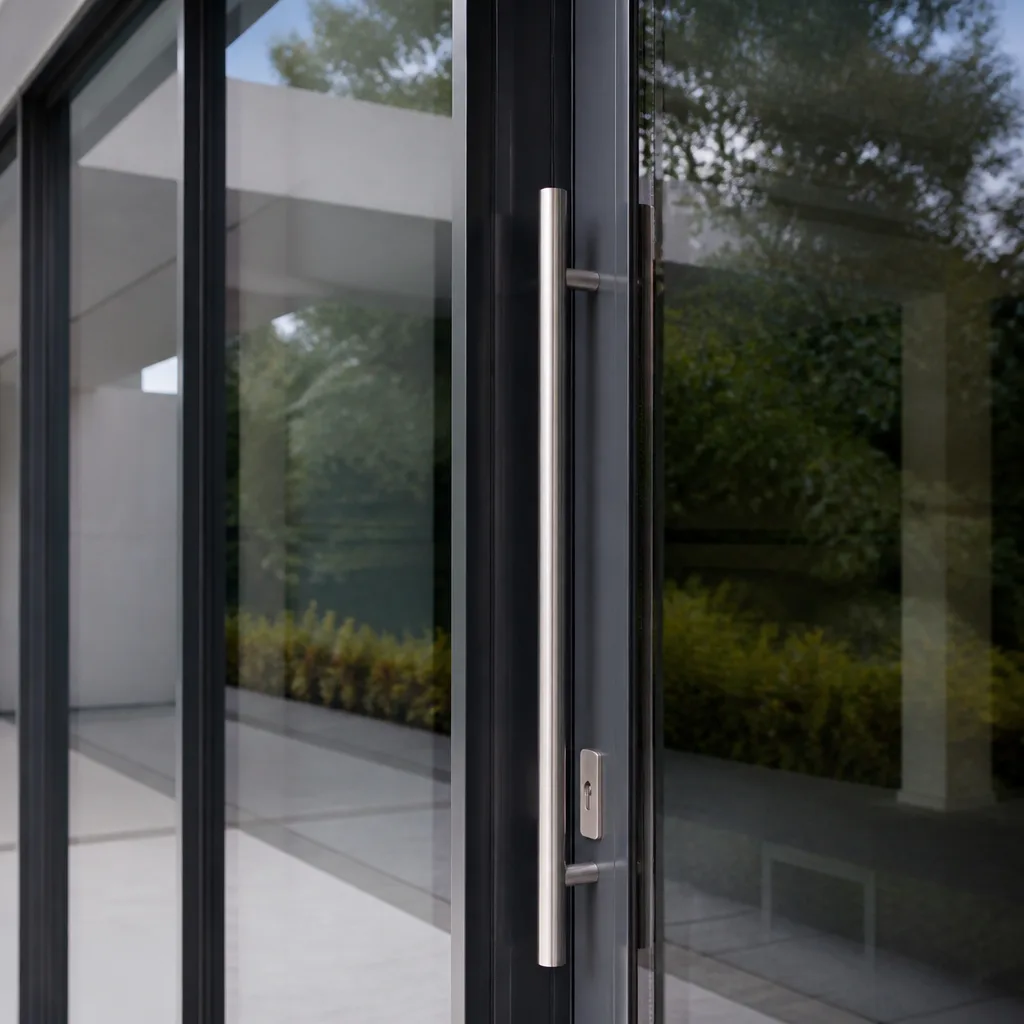
Not every imperfection demands immediate action. Separating cosmetic from structural protects your budget and your schedule. Unsure whether to DIY or call a pro? Read DIY vs Professional Windows & Doors: The Princeton Homeowner’s Decision Guide.
Cosmetic issues that can be monitored:
- Minor frame discoloration or chalking on vinyl or painted aluminum. Clean and assess annually; repainting or replacement is aesthetic, not functional.
- Hardware finish wear. Tarnished or pitted handles operate the same; replacement is preference.
- Interior trim gaps up to 1/16 inch from seasonal movement. These open and close with humidity; caulk if persistent.
- Single-pane fogging in a decorative transom or sidelight with no IGU. These are not energy-critical; replacement is optional.
Structural issues requiring action before next storm season:
- Frame-to-rough-opening separation exceeding 1/8 inch. Water intrusion and structural load transfer are active.
- Any lintel deflection or header crack above an opening. Gravity loading is progressive; it does not self-correct.
- Impact-rated assembly compromise: failed sealant, corroded fasteners, or frame damage that voids the Miami-Dade approval.
- Hardware failure that prevents full lock engagement. Security and weather-sealing are both compromised.
- IGU seal failure with visible condensation. Energy performance is degraded; the unit will not improve.
The distinction matters for scheduling and budgeting. A Princeton homeowner with three cosmetic issues and one structural can phase work appropriately. Haven Clause 1 - the written price before any work starts - applies to each phase independently; there’s no pressure to consolidate unrelated work.
The Homeowner Measurement Guide: Tools and Thresholds
You don’t need a contractor’s toolkit to screen your own windows and doors. A $35 investment in basic tools provides data that separates monitoring from calling.
| Measurement | Tool | Normal Range | Action Threshold |
|---|---|---|---|
| Air infiltration (whole house) | Blower door test by pro | 2.5-3.5 ACH50 | >3.5 ACH50 |
| Sash-to-frame gap | Feeler gauge set | 1/16-1/8 inch | >3/16 inch variation |
| Frame-to-wall sealant crack | Tape measure or gauge | Hairline or closed | >1/8 inch visible crack |
| Interior glass surface temp (summer) | Infrared thermometer | 82-86°F at 95°F exterior | <78°F (gas loss) |
| Sliding door operating force | Fish scale | 5-8 pounds | >12 pounds |
| Deadbolt throw | Tape measure | 1 inch minimum | <7/8 inch |
| Lintel deflection | String line + tape | <1/4 inch per 6 feet | >1/4 inch |
| Frame straightness | 4-foot level | <1/16 inch per foot | >1/8 inch per foot |
Record these measurements annually, same month each year. July in Princeton is ideal: peak thermal stress, peak humidity, and the start of storm season awareness. A written log with dates and readings provides baseline data that any contractor - including Sightline - can use to distinguish progressive failure from stable condition.
For impact-rated assemblies, add one annual check: photograph the Miami-Dade Notice of Acceptance label in the window corner, the installation date if recorded, and any visible frame or sealant condition. This documentation supports insurance claims and resale disclosures. Sightline’s documented photo record on every visit includes these elements as standard; homeowners should maintain their own between professional visits.
Common Mistakes to Avoid
- Waiting for visible fogging before addressing IGU performance. By the time condensation appears, energy loss has already cost $200-$400 in cooling bills and the unit requires full replacement, not reglazing.
- Applying caulk over failed sealant without removing the old material. New caulk on old caulk adheres to the old caulk, not the substrate. The joint fails again within one season. Proper joint preparation requires complete removal, solvent cleaning, and backer rod installation before new sealant.
- Assuming all windows in a home age at the same rate. South- and west-facing windows in Princeton receive 40% more thermal cycling and UV exposure. Inspect by orientation, not by installation date.
- Ignoring garage door weather-sealing. The garage door is often the largest opening in a Princeton home. Failed bottom seal or side astragal allows conditioned air loss, pest intrusion, and - for impact-rated garage doors - rating compromise. Door installation in Princeton should include garage door assessment when the home’s primary doors are being evaluated.
- Accepting verbal warranty terms. The Haven Standard requires written documentation: scope, price, warranty terms, and crew identification. Verbal assurances are not evidence. Every Sightline engagement provides this in writing before work begins.
- Replacing windows without assessing wall condition. New windows in a racked or water-damaged opening fail faster than the originals. The measured survey must include rough-opening squareness, moisture content of surrounding framing, and structural integrity.
- Neglecting permit verification for replacement work. Miami-Dade County requires permits for window and door replacement in most cases. Unpermitted work voids insurance coverage and creates disclosure liability at sale. Verify permit status before any contractor starts; Sightline pulls and passes all required permits as standard practice.
When to Call a Professional
Call when measurements cross the action thresholds in this guide, when you observe structural separation or lintel deflection, or when your annual blower-door reading exceeds 3.5 ACH50. Call before storm season if impact-rating compliance is in question - insurance adjusters document installed condition, not product specification.
Sightline Windows & Doors Princeton offers free estimates in Princeton. The measured survey you receive is yours to keep, and the written quote that follows is identical to it - Haven Clause 1, no surprises. Call (786) 977-2953 to schedule. We also provide free second opinions on any written estimate from another contractor; bring us their scope and we’ll review it against what the opening actually requires.
Frequently Asked Questions
Window replacement in Princeton ranges from $680 per opening for standard vinyl double-hungs to $2,400+ for large impact-rated casements with custom glazing. The variation depends on size, impact-rating requirement, frame material, and whether the rough opening requires structural correction. Call (786) 977-2953 for a written estimate based on measured survey - estimates are free.
No. Haven Clause 1 of the Haven Standard states that the measured survey and the written quote are the same document. The price we write before any work starts is the price on the final invoice. The only exception is if concealed damage is found during installation - rot, structural failure, or code violations - and in that case, we document the condition, stop work, and provide a written amendment before continuing.
Yes. Miami-Dade County requires permits for most replacement work, and we pull all required permits, schedule inspections, and ensure passage before final invoicing. The permit record becomes part of your documented file and supports insurance and resale requirements.
A typical replacement of 8-12 windows in a Princeton single-family home requires 2-3 days of installation after permit approval. Custom or impact-rated products from manufacturers like PGT or ViewLux may require 4-6 weeks manufacturing lead time. We schedule installation only after product delivery and permit issuance, with confirmed arrival windows per Haven Clause 2.
The 365-Day Done Right Promise is a written guarantee in every Sightline contract: if any aspect of the installation is not done right, we make it right within one year, at no additional cost. This is not a courtesy extension; it is Haven Clause 5, stamped on every job since 2012. Claims are rare because the measured survey and photo record prevent the errors that generate callbacks.
Impact-rating applies to the installed assembly, not just the glass. Check for: intact Miami-Dade Notice of Acceptance label, uncorroded fasteners at specified spacing, continuous sealant at frame-to-wall joint, and undamaged frame with no cracks or separation. Any compromise voids the rating. We verify impact-rating compliance during every window replacement in Princeton and provide documentation of restored rating after installation.
If the IGU has failed but the frame, hardware, and installation are sound, reglazing - replacing just the glass unit - is often sufficient. This costs $340-$620 per opening in Princeton versus $680-$1,400 for full sash replacement. However, if the frame is degraded, the hardware obsolete, or the installation faulty, reglazing wastes money on a compromised assembly. The measured survey determines which path is appropriate.
The Bottom Line
Window and door failure in Princeton announces itself first in numbers: temperature readings, gap measurements, torque specs, and air infiltration rates. The homeowner who tracks these annually catches degradation early, when reglazing or adjustment still works, before the $18-$34 monthly energy bleed becomes a $1,400 replacement and before impact-rating voids expose the home to storm-season liability. Document what you measure, know the thresholds that demand action, and demand written scope and price from any contractor before work begins. For more guides & resources on protecting your home, explore our blog. The visible symptoms - fogged glass, sticking sashes, stained drywall - are late-stage evidence of problems that started months or years earlier in data most homeowners never collect.
Written by Sonia Raman, Owner at Sightline Windows & Doors Princeton, serving Princeton since 2012.