
Last updated September 24, 2026
Free in-home measure and quote - PGT, CGI and CWS impact lines compared on your actual openings, style by style


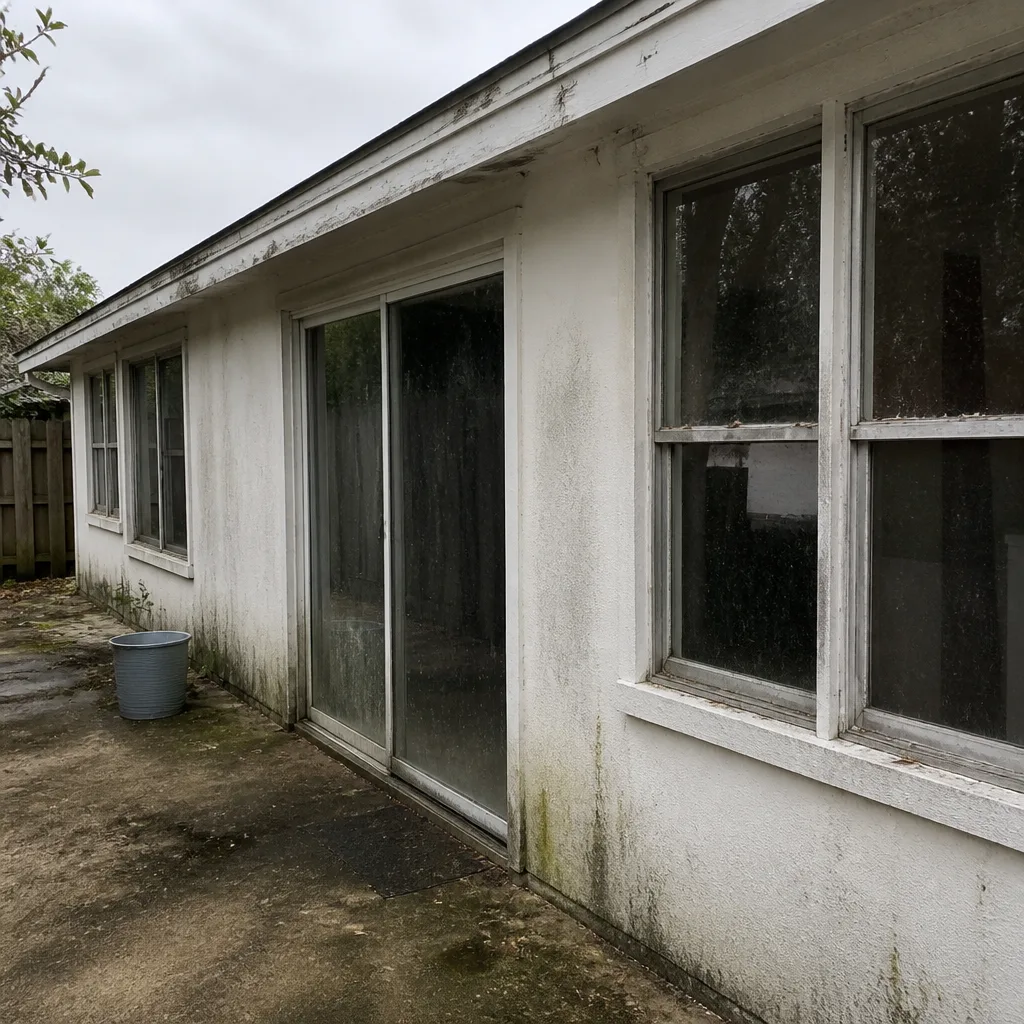 Before
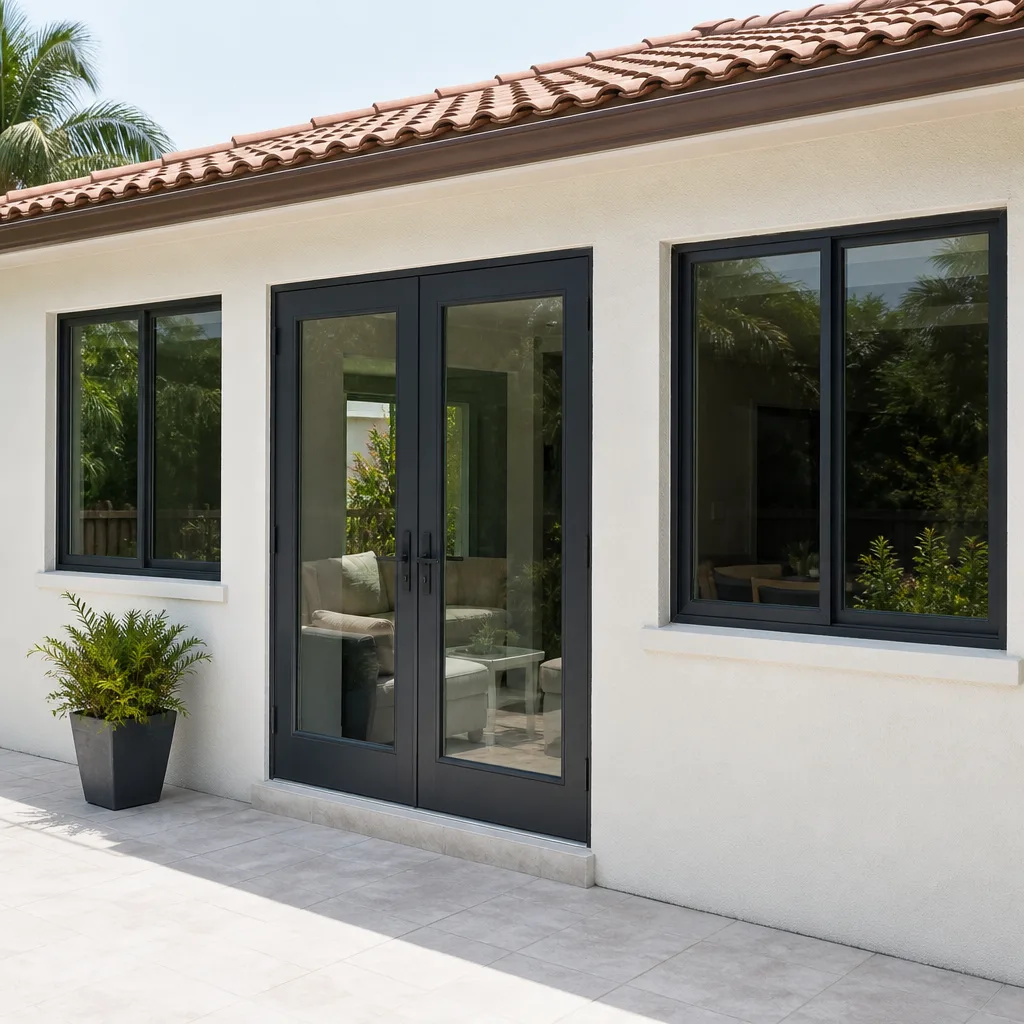 After
After Before
 After
After Before
 After
AfterSeasonal Windows & Doors Care for Princeton: Year-Round Homeowner’s Guide
The average Princeton homeowner who skips the April sealant inspection replaces it with an emergency call in September. That’s when a Category 1 wind event has driven water through a 3mm sealant gap into a wall cavity, and the remediation bill runs $4,000-$9,000 instead of the $80 it would have cost to re-caulk. In Princeton, we don’t experience four distinct seasons in the traditional sense. We have two functional maintenance windows that determine whether your frames last 15 years or need replacement in 8: the pre-hurricane-season inspection in April-May and the post-storm assessment in October-November. This guide maps the specific tasks, materials, and documentation for each period, calibrated to Princeton’s salt-air exposure, high-velocity hurricane zone requirements, and the particular failure modes we’ve documented across 18,000+ openings since 2012. For additional guidance, see our Window Installation Maintenance Checklist for Princeton Homeowners.
Quick Answer
Princeton homeowners should perform window and door maintenance twice yearly: a pre-hurricane inspection in April-May focused on sealant integrity, hardware function, and weep hole clearance; and a post-storm assessment in October-November documenting frame condition, glass stress, and water intrusion evidence for insurance purposes. Treating these as distinct tasks with different checklists, rather than generic annual maintenance, extends frame and seal life by 40-60% in coastal South Florida conditions. For related cost considerations, see our Windows & Doors Cost Breakdown: The Princeton Homeowner’s Reference for 2026.
Table of Contents
- Why Princeton Has Two Maintenance Seasons, Not Four
- The April-May Pre-Hurricane Inspection Checklist
- Material-Specific Care: What Salt-Air Neglect Looks Like at 6, 12, and 24 Months
- Hardware Lubrication Schedule for Princeton’s Humidity and Sand Exposure
- The October-November Post-Storm Assessment and Documentation Protocol
- Weep Hole Maintenance During Princeton’s Standing-Water Events
- Common Mistakes to Avoid
- When to Call a Professional
- Frequently Asked Questions
 Before
 After
AfterWhy Princeton Has Two Maintenance Seasons, Not Four
Most national maintenance guides divide the year into spring, summer, fall, and winter. That framework fails in Princeton for two reasons. First, our temperature variation is narrow: average highs range from 76°F in January to 91°F in July, which means thermal expansion and contraction stress windows and doors differently than in climates with freeze-thaw cycles. Second, and more critically, our weather risk is binary rather than gradual. The period from June through November carries hurricane exposure; December through May carries negligible tropical storm risk but maximum salt-air deposition rates during the dry season.
This creates two distinct operational periods for your home’s envelope:
The Preparation Window (April-May): Six to eight weeks before hurricane season begins, when you verify that every seal, lock, and drainage path is functional. The goal is prevention. You’re not responding to damage; you’re confirming that the assembly can withstand a sustained 74+ mph wind event and the wind-driven rain that accompanies it.
The Recovery Window (October-November): Four to six weeks after peak hurricane season, when you document any stress the opening has experienced, address minor failures before they propagate, and create the photographic evidence that insurance adjusters will request if you file a claim in the following 60-90 days. The goal here is documentation and repair.
We’ve observed this pattern across thousands of Princeton installations. Homes that receive both inspections average 14-17 years between full-frame replacements. Homes that receive only one, or neither, average 8-11 years. The difference is not the severity of the storms they experience. It’s the cumulative effect of unaddressed micro-failures: a sealant gap that admits moisture during a minor tropical depression, a weep hole blocked by sand that traps water against an aluminum sill, a multi-point lock with corroded pins that fails to secure a door during a wind gust.
Princeton’s location in Miami-Dade County also means every window and door installation must comply with the Florida Building Code’s High-Velocity Hurricane Zone requirements. For details on permitting, see our guide to Windows & Doors Permits, Codes & Inspections in FL: What You Need to Know. This affects maintenance because HVHZ-rated hardware, impact glass, and reinforced frames have different wear patterns than standard products. A casement operator rated for HVHZ use, for example, has heavier gearing and tighter tolerances; it requires more frequent lubrication but fails more obviously when neglected, rather than degrading gradually.
The April-May Pre-Hurricane Inspection Checklist

The pre-hurricane inspection is a systematic verification that each opening in your home can perform as designed during a tropical weather event. We recommend completing this checklist by the third week of May, which leaves adequate time to schedule repairs before June 1. The inspection divides into four categories: sealant and weatherstripping, hardware and locking, drainage and weep systems, and glass and frame integrity. Explore more guides & resources for year-round home maintenance.
Sealant and Weatherstripping
Inspect the perimeter sealant bead on every window and door, interior and exterior. In Princeton, sealant fails in three predictable patterns: UV degradation at the exposed outer surface, salt-crystal intrusion at the substrate interface, and cohesive splitting at expansion joints. Look for chalking, cracking, or gaps wider than 2mm. Pay particular attention to the south- and east-facing elevations, which receive the highest salt-air load.
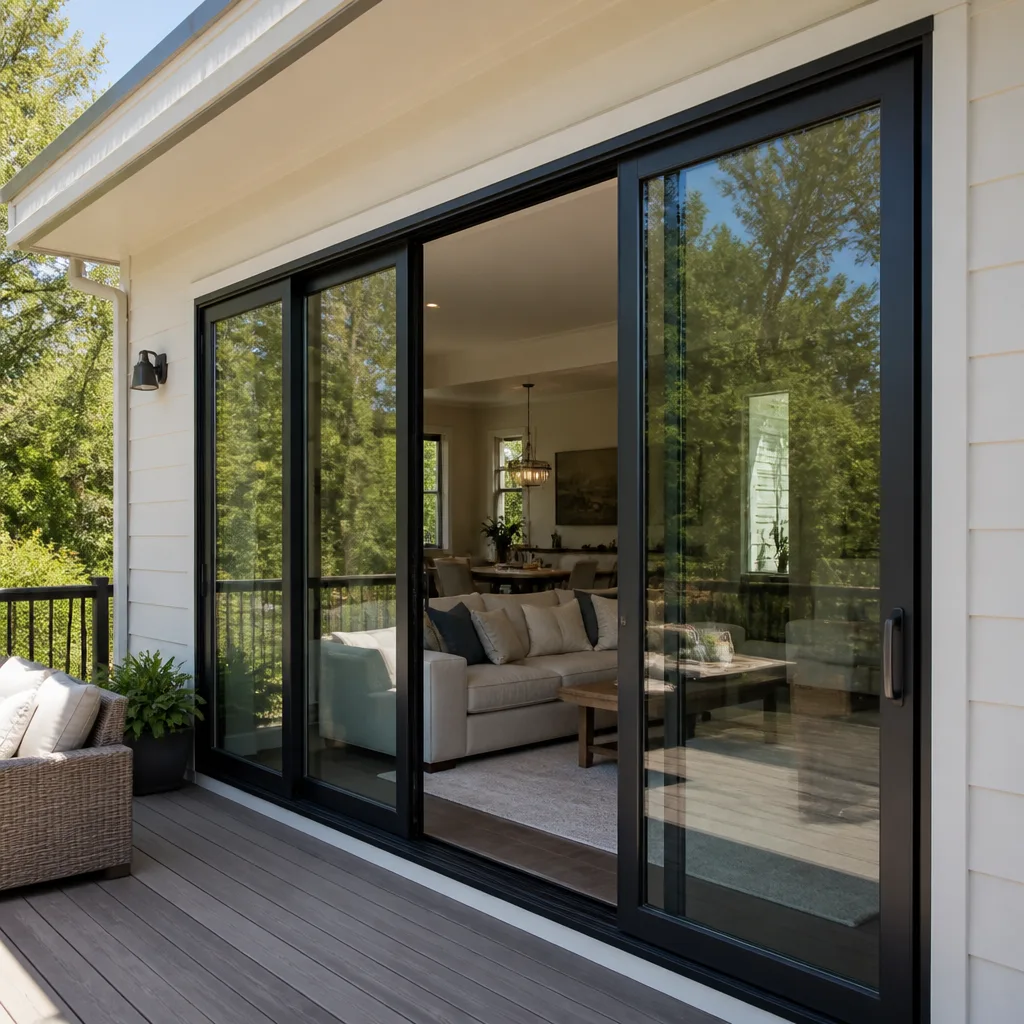
Weatherstripping on operable sashes and doors should compress uniformly and rebound to original thickness. If it remains compressed after the sash is opened, or if light is visible through the closed joint, replacement is needed. For sliding patio doors common in Princeton’s 1980s-2000s construction stock, check the pile weatherstrip at the meeting stile; this is the most common leak path we find during post-storm assessments.
Hardware and Locking
Every operable window and door must lock securely with positive engagement. For single-hung and double-hung windows, verify that the sash lock draws the meeting rail tight. For casements, confirm that the operator arm moves smoothly through full travel and that the sash pulls evenly against the frame at all locking points. For sliding doors, check that the thumb turn or keyed cylinder rotates fully and that the hook bolt engages the strike plate without drag.
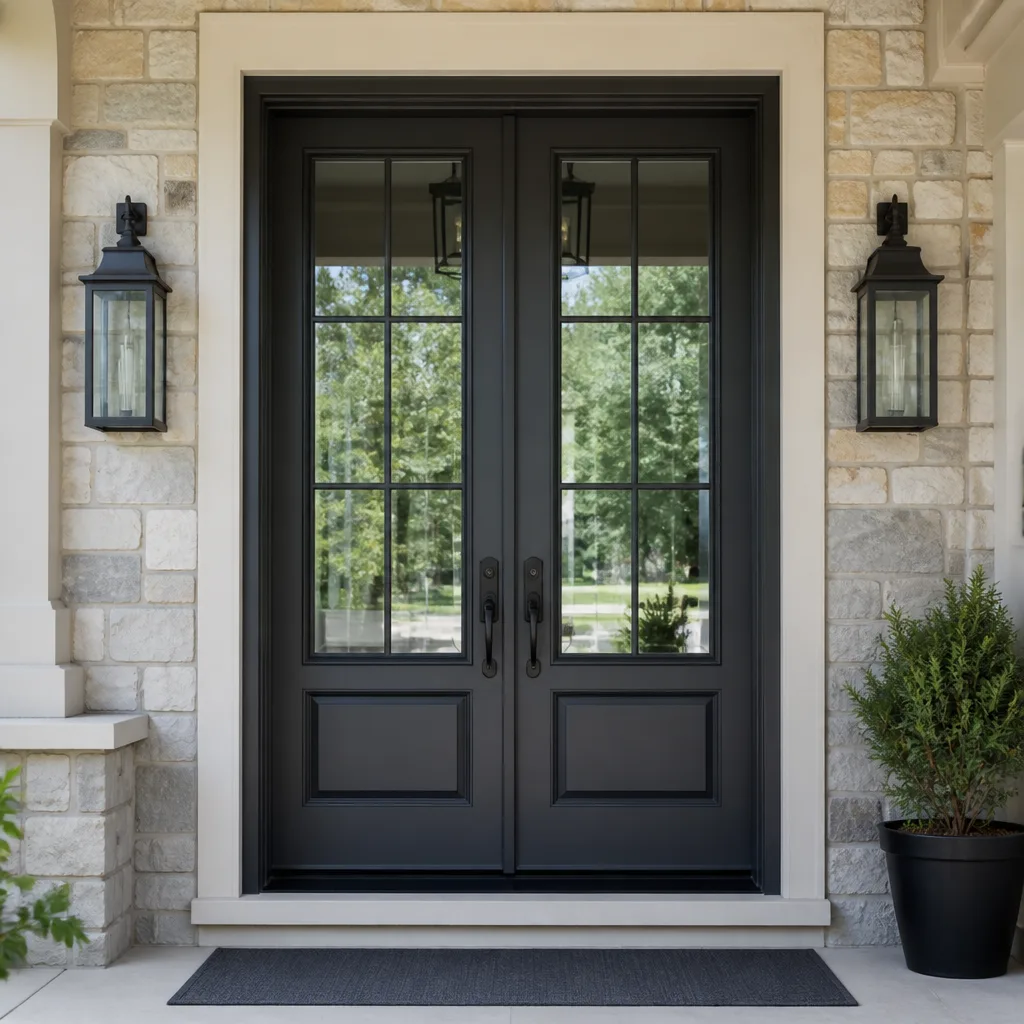
Multi-point locks on entry doors require specific attention. These systems have three or more locking points (typically at the sill, deadbolt, and header). Each point must engage simultaneously; if one point is out of alignment, the door is not secure against wind pressure. Test by closing the door on the latch only, then lifting the handle to engage all points. If resistance is uneven, adjustment is needed.
Drainage and Weep Systems
See the dedicated section below for detailed weep hole maintenance. At minimum during the April inspection, verify that every weep hole is open and that the baffle, if present, is not clogged with debris or insect nests.
Glass and Frame Integrity
Inspect all glass surfaces for cracks, chips, or delamination. Impact-rated laminated glass, required in Princeton for most applications, can sustain damage to the outer lite while the inner lite remains intact; this is not immediately a security failure but compromises the unit’s future performance. Document any damage photographically with date stamps.
Check frame corners for separation, particularly on vinyl frames, which expand and contract at different rates than the corner welds. Aluminum frames should show no white powdery residue (aluminum oxide) at joints or fasteners. Fiberglass frames require inspection for gel coat cracking, which admits moisture to the substrate.
- Start with the elevation that faces the prevailing wind (typically southeast in Princeton).
- Work from top to bottom to avoid stepping on debris that falls from upper openings.
- Document each opening with three photographs: wide shot showing full frame, close-up of sealant condition, close-up of hardware engagement.
- Record findings in a dated log; compare year-over-year to identify accelerating deterioration.
- Schedule repairs by May 15 for completion before June 1.
Material-Specific Care: What Salt-Air Neglect Looks Like at 6, 12, and 24 Months
Princeton’s proximity to Biscayne Bay and the Atlantic creates a salt-air environment that accelerates corrosion and degradation differently for each frame material. Understanding these timelines helps you interpret early warning signs before they become replacement triggers.
Vinyl Frames
Vinyl is the most common frame material in Princeton’s residential construction from 1995-2015. It is inherently salt-resistant but thermally active, expanding roughly 3.5 times more than glass. This differential movement stresses corner welds and sealant joints.
At 6 months of neglect: Surface dirt accumulation, particularly on white frames, creates a mild abrasive that accelerates UV degradation. No structural concern yet, but cleaning frequency has dropped below optimal.
At 12 months: Corner welds show stress whitening (faint gray lines at the joint). Sealant beads begin to separate at the vinyl interface. Hardware screws may loosen as the frame cycles through thermal expansion without retorquing.
At 24 months: Corner weld separation exceeds 2mm, creating a direct water path. Sash operation becomes stiff as frame distortion binds the mechanism. Replacement of the operable sash or full unit is typically required.
Aluminum Frames
Aluminum dominates commercial and high-rise construction in Princeton and appears in many mid-century homes. It is strong but electrochemically active in salt air.
At 6 months: Anodized or painted surfaces show no visible change. Bare aluminum at fastener heads or scratches develops faint white spotting.
At 12 months: White aluminum oxide (Al₂O₃) is visible at joints, weep holes, and any breach in the protective coating. Fastener heads may show pitting. Operation remains smooth if hardware is maintained.
At 24 months: Oxide accumulation at weep holes blocks drainage, trapping water in the frame cavity. This accelerates corrosion from the interior, often invisible until the frame wall has thinned significantly. Structural integrity is compromised; replacement is usually necessary.
Fiberglass Frames
Fiberglass is less common in Princeton but appears in higher-end installations and some replacement projects. It is dimensionally stable and salt-resistant but vulnerable to UV degradation of the gel coat.
At 6 months: No visible change if the gel coat is intact. Chalky surface indicates UV breakdown has begun.
At 12 months: Hairline cracks in the gel coat, particularly at corners and hardware mounting points. These admit moisture to the glass fiber substrate.
At 24 months: Substrate saturation causes blistering or delamination. The frame may appear sound but has lost structural properties. Repair is rarely cost-effective; replacement is indicated.
Wood-Clad Frames
Wood-clad products (wood interior, aluminum or vinyl exterior) are uncommon in Princeton’s new construction but appear in some custom installations. The critical failure mode is interior rot from exterior water intrusion at the cladding junction.
At 6 months: Exterior cladding shows no change. Interior wood may show elevated moisture readings at the sill if the cladding seal has failed.
At 12 months: Interior paint or finish shows discoloration or blistering. Wood moisture content exceeds 20%.
At 24 months: Structural decay is present in the sill and lower stiles. The unit requires full replacement; the cladding has concealed failure too long for repair.
For homeowners considering material selection for replacement, window installation in Princeton should specify products rated for HVHZ exposure with documented salt-spray testing. PGT and CGI both publish 3,000-hour salt-spray test results for their aluminum and vinyl lines; we specify these for Princeton’s coastal exposure.
Hardware Lubrication Schedule for Princeton’s Humidity and Sand Exposure

Princeton’s climate presents a specific challenge for window and door hardware: high humidity maintains a moisture film on metal surfaces, while wind-borne sand particles act as an abrasive when hardware is operated. This combination accelerates wear beyond what manufacturer specifications, typically written for temperate climates, would predict.
We’ve developed the following lubrication schedule based on field observations across Princeton installations, calibrated to actual failure rates rather than theoretical intervals.
Casement Window Operators
These crank-operated mechanisms use a worm gear and scissor arm to project the sash outward. The gear set is enclosed but not sealed; humidity enters through the crank handle bore.
Interval: Every 4 months (March, July, November). The July application is critical; it precedes peak hurricane season when the window may need to be secured quickly.
Procedure: Remove the crank handle. Apply a light machine oil (SAE 20) to the handle bore and the exposed gear teeth. Operate through full travel five times to distribute. Wipe excess; accumulated oil attracts sand.
What we see when neglected: At 8-10 months without lubrication, the worm gear develops corrosion pitting. The operator then binds, and homeowners apply increasing force. The scissor arm bends or the gear teeth strip. Replacement cost: $180-$340 for the operator, plus installation.
Multi-Point Door Locks
These systems have a central gearbox with rods extending to locking points at the top and bottom of the door. The gearbox contains a series of cams and springs; the rods run in channels mortised into the door edge.
Interval: Every 6 months (May, November). The May application precedes hurricane season; the November application follows it.
Procedure: With the door open, operate the handle to extend all locking points. Apply dry Teflon lubricant to each rod surface and the cam interfaces. Do not use oil-based lubricants; they attract sand and gum up in humidity. Cycle the mechanism ten times.
What we see when neglected: Rod corrosion causes binding at one or more locking points. The homeowner forces the handle, bending the rod or stripping the cam. The door no longer secures properly against wind pressure. Replacement of the full multi-point system: $400-$900.
Sliding Door Tracks and Rollers
Sliding patio doors use tandem roller assemblies in an aluminum track. The track is exposed to foot traffic and debris; the rollers are partially shielded but not sealed.
Interval: Every 3 months (March, June, September, December). The high frequency reflects the exposed position and the sand load.
Procedure: Vacuum the track thoroughly. Clean with a damp cloth; avoid solvents that degrade nylon roller tires. Apply silicone spray lubricant to the track surface only, not the rollers. Excess lubricant on rollers attracts debris and causes flat-spotting.
What we see when neglected: Sand accumulation abrades the nylon tire, creating flat spots. The door develops a rhythmic bump during operation. Eventually the axle wears eccentrically and the door drops, dragging on the sill. Roller replacement: $120-$280; track replacement if worn through: $600-$1,400.
Sliding Window Sashes
Horizontal sliding windows use similar but smaller components. The interval and procedure are identical, but the consequences of neglect arrive faster due to lighter construction.
Interval: Every 3 months, synchronized with door track maintenance.
For hardware replacement or upgrade, window replacement in Princeton can specify upgraded hardware packages from CWS or ES Windows with sealed bearing rollers and stainless-steel operators, which extend lubrication intervals to 12 months in our experience.
The October-November Post-Storm Assessment and Documentation Protocol
The post-storm assessment serves two purposes: identifying damage that requires repair before the next season, and creating the documentary record that supports insurance claims filed in the following months. In Princeton, where named storms may pass within 50 miles without making direct landfall, homeowners often underestimate the cumulative stress on their home’s envelope. Sustained tropical-storm-force winds (39-73 mph) for 6-12 hours produce fatigue loading that is distinct from the peak gust loading of a hurricane direct hit but still degrades seals, hardware, and frame connections.
We recommend completing this assessment within 14 days of the final tropical weather event of the season, and no later than November 30. Delay beyond this window risks overlap with holiday scheduling and allows moisture intrusion paths to propagate through the winter dry season.
Photographic Documentation Standards
Insurance adjusters evaluate claims based on contemporaneous documentation. Photographs taken during the storm or immediately after carry more weight than those taken months later when damage has progressed. The Haven Standard requires that our technicians produce a documented photo record on every visit; we apply the same standard to homeowner self-assessments.
For each opening, capture:
- Establishing shot: Full frame from 6 feet, showing the opening in wall context, with a date-stamped reference object (newspaper, phone screen) visible.
- Sealant condition: Close-up of the perimeter bead at 12 inches, with raking light to show surface texture and gaps.
- Hardware engagement: Locking points in the engaged position, showing full penetration into strikes.
- Interior evidence: Any water staining, discoloration, or material distortion on the interior trim or wall surface.
- Exterior evidence: Any frame displacement, glass damage, or debris impact marks.
Store these images with metadata intact (date, time, GPS if enabled) in a cloud location separate from your phone. Email a copy to yourself for timestamp verification.
What to Document Even If No Damage Is Visible
Not all storm damage is immediately apparent. Document the following conditions as baseline for future comparison:
- Frame squareness: measure diagonal frame dimensions; record any discrepancy greater than 3/16 inch.
- Glass deflection: with the sash closed, press gently at the center; record any unusual movement or noise from the spacer bar.
- Hardware torque: note any screws that require more or less force than previously to tighten.
- Sealant adhesion: lightly probe with a plastic tool; note any locations where the bead separates from substrate.
These measurements establish pre-existing condition if damage develops later. We’ve seen insurance disputes resolved in the homeowner’s favor based on dated documentation showing that a frame was square before a specific storm and out-of-square after.
For professional documentation and repair assessment, door installation in Princeton under the Haven Standard includes the measured survey and photo record as standard, not as an upsell.
Weep Hole Maintenance During Princeton’s Standing-Water Events
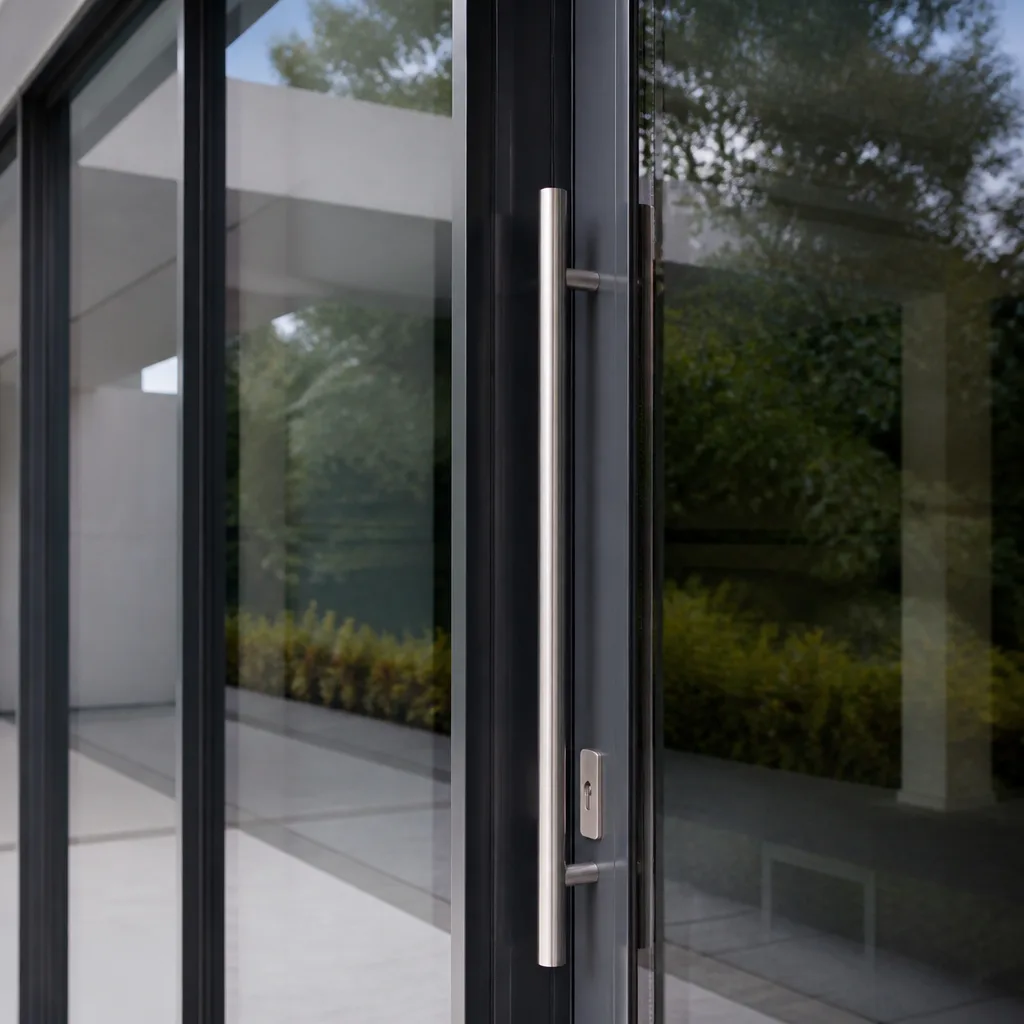
Weep holes are the most neglected and most critical component of window and door drainage systems in Princeton. These small openings at the sill or frame bottom allow water that has entered the glazing pocket or track system to drain to the exterior. When blocked, water accumulates in the frame cavity, accelerating corrosion, promoting mold, and eventually overflowing to the interior.
Princeton’s flat terrain and high water table create frequent standing-water events even outside named storms. Summer thunderstorms, king tides, and seasonal high groundwater can leave water against the building foundation for hours. During Hurricane Irma in 2017, we documented standing water at window sills for 36-48 hours in parts of Princeton near the C-100 canal system. This duration exceeds the design assumption for many window systems and makes weep hole function critical.
Locating Weep Holes
Weep holes appear in several configurations:
- Open slots: Rectangular or circular openings, typically 3/16-1/4 inch, in the exterior face of the sill.
- Baffled weeps: Openings with a plastic or metal baffle that allows drainage while blocking insect entry.
- Hidden weeps: Drainage paths that exit through the frame end rather than the face, common on some vinyl and fiberglass products.
Consult your window or door specification sheet if you cannot locate weep holes. Do not assume they are absent; hidden weeps blocked by installation debris are a common finding in our assessments.
Clearing Weep Holes Without Damage
Use only tools that cannot scratch or deform the frame:
- Remove visible debris with a soft brush or vacuum with crevice attachment.
- Probe gently with a wooden toothpick or plastic weed-trimmer line. Do not use metal wire, which can damage baffles or push debris deeper into the drainage channel.
- Test drainage by pouring a small amount of water into the track or glazing pocket. It should exit the weep hole within 30 seconds.
- If water does not drain, the blockage may be in the internal channel. Do not attempt to clear this with compressed air, which can force water into the wall cavity. Professional service is indicated.
Safety note: Do not enlarge weep holes with drills or cutting tools. This compromises the frame’s structural integrity and voids most manufacturer warranties. The drainage channel is sized to the hole; enlarging the exit does not increase flow if the channel is the limiting factor.
Standing-Water Protocol
If water stands against your home’s exterior for more than 4 hours:
- Check weep holes immediately after water recedes; sediment deposition is highest at this point.
- Inspect interior sill and trim for 72 hours afterward; delayed leakage indicates weep failure or frame breach.
- Document water height with photographs for insurance and warranty purposes.
For weep hole design and frame drainage in replacement products, we specify PGT and CGI lines with elevated sill dams and secondary drainage paths for Princeton’s flood-prone areas. The measured survey we provide identifies sill height relative to grade and recommends appropriate products.
Common Mistakes to Avoid
- Using silicone spray on all hardware indiscriminately. Silicone attracts sand and becomes abrasive in Princeton’s environment. Use dry Teflon on multi-point locks and light machine oil on operators; reserve silicone for sliding tracks only.
- Power-washing frames at close range. Pressure above 1,500 psi at 12 inches can deform vinyl, strip anodized coatings from aluminum, and force water past seals. Use low pressure and keep the nozzle 18+ inches from the surface.
- Ignoring the interior side of the seal. Homeowners often inspect exterior sealant while missing interior gaps that admit conditioned air and moisture vapor. Check both sides of every opening.
- Waiting for visible water intrusion to act. By the time water appears on interior drywall, the wall cavity has been wet for weeks or months. Stained drywall is a late indicator, not an early warning.
- Using generic maintenance schedules from national sources. A schedule written for Minneapolis or Phoenix does not account for Princeton’s salt-air, sand, and hurricane exposure. Calibrate to local conditions or use the intervals specified in this guide.
- Discarding documentation after repairs. Warranty claims, insurance disputes, and resale disclosures all require maintenance records. Keep dated logs and photographs for the life of the product plus seven years.
- Attempting DIY adjustment of impact-rated hardware. HVHZ-rated multi-point locks and operators are calibrated to specific engagement forces. Incorrect adjustment can compromise wind-load resistance without obvious symptoms until failure occurs.
When to Call a Professional

Certain conditions indicate that self-maintenance is insufficient and professional evaluation is needed. Call for assessment if you observe: frame corner separation exceeding 1/8 inch; glass crack propagation, even if slow; hardware that binds or slips after lubrication; water staining that recurs after cleaning; or any change in operation following a tropical weather event.
Sightline Windows & Doors Princeton offers free estimates in Princeton. Our measured survey produces the written scope document you keep, and our 365-Day Done Right Promise under the Haven Standard covers every installation. Call (786) 977-2953 to schedule your assessment. All technicians are background-checked, uniformed, and identified by license number before arrival, per Haven Clause 3.
Frequently Asked Questions
Professional inspection and basic maintenance for a typical Princeton home (10-15 openings) runs $180-$340. This includes sealant assessment, hardware lubrication, weep hole clearing, and a documented photo record. Repairs identified during inspection are quoted separately with written pricing before any work begins. Call (786) 977-2953 for an exact quote; estimates are free.
No. Haven Clause 1 requires that the written price and the measured survey are the same document. The quote you approve is the invoice you receive. If unforeseen conditions emerge, we document them, explain the scope change, and obtain written approval before additional work proceeds.
A standard inspection and maintenance visit for a single-family home requires 2-3 hours. Larger homes or those with extensive patio door systems may require a full day. We schedule by the job, not by the hour, so the technician remains until the checklist is complete.
Routine maintenance, sealant replacement, and hardware adjustment do not require permits in Princeton or Miami-Dade County. Full-frame replacement, changes to opening size, or modifications to impact-rated assemblies do require permitting. We pull all required permits and schedule inspections as part of our installation service.
Document it photographically with date stamps, then call for professional assessment within 48 hours. Delay allows mold colonization and structural decay to progress. Do not attempt to seal the interior side only; this traps moisture in the wall cavity. The source must be identified and addressed at the exterior.
Impact-rated windows carry a permanent label or etching indicating compliance with ASTM E1886/E1996 or Miami-Dade County Protocol TAS-201/202/203. The label specifies the design pressure rating and the manufacturer. If you cannot locate this marking, we can identify the product during a free estimate and confirm its rating against current code requirements. Many Princeton homes built 1995-2005 have non-impact windows that require shutter protection or replacement to comply with current standards.
The Bottom Line

Princeton homeowners who treat window and door maintenance as two distinct seasonal tasks, rather than one annual chore, extend product life by years and avoid the emergency calls that follow neglected micro-failures. The April-May inspection verifies readiness for hurricane season; the October-November assessment documents condition and repairs stress damage before it propagates. Material-specific care, calibrated hardware lubrication, and proper weep hole maintenance address the particular conditions of coastal South Florida. Documentation at every stage supports warranty claims, insurance filings, and resale disclosures. The cost of systematic maintenance is modest; the cost of neglect, measured in premature replacement and water damage remediation, is not.
Sightline Windows & Doors Princeton home provides measured surveys, written pricing, and documented photo records for every engagement. Call (786) 977-2953 to schedule your free estimate or second opinion on any written estimate.
Written by Sonia Raman, Owner at Sightline Windows & Doors Princeton, serving Princeton since 2012.