
Last updated September 24, 2026
Free in-home measure and quote - PGT, CGI and CWS impact lines compared on your actual openings, style by style
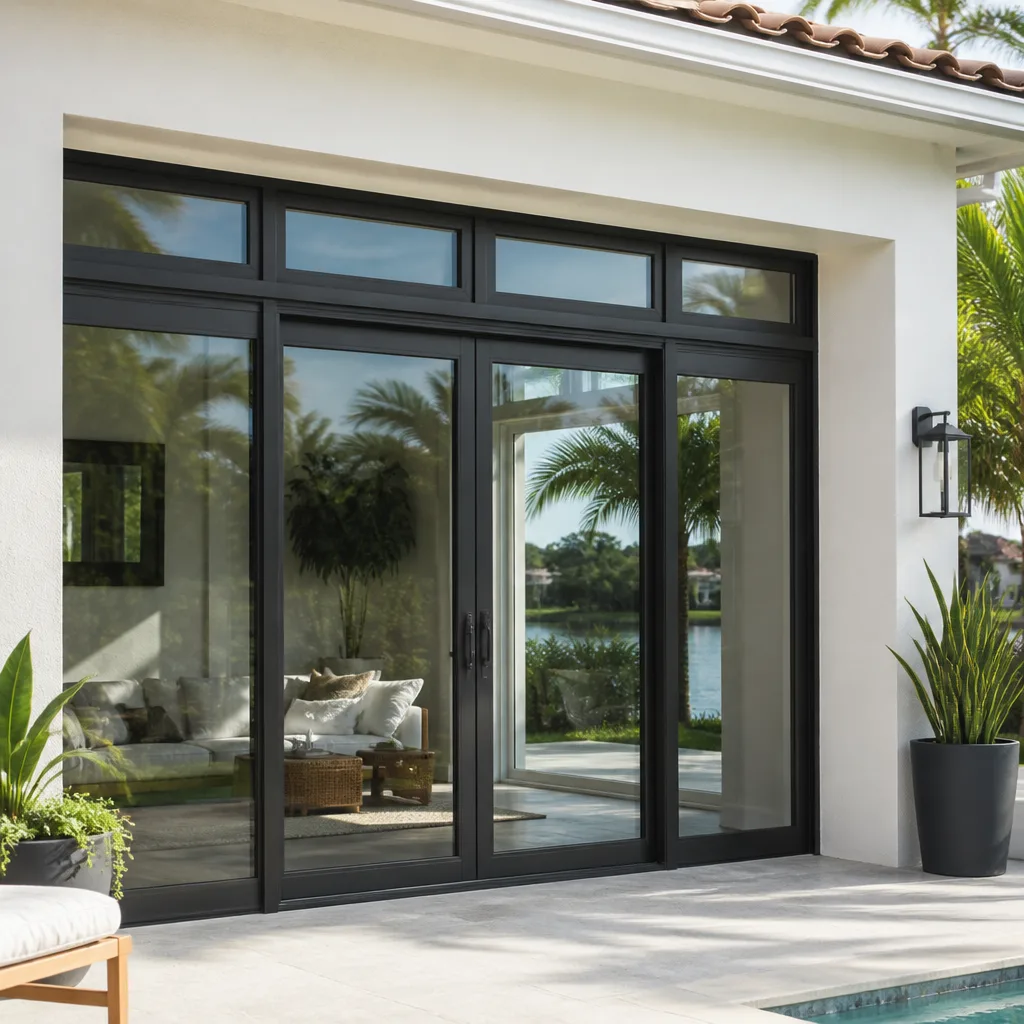
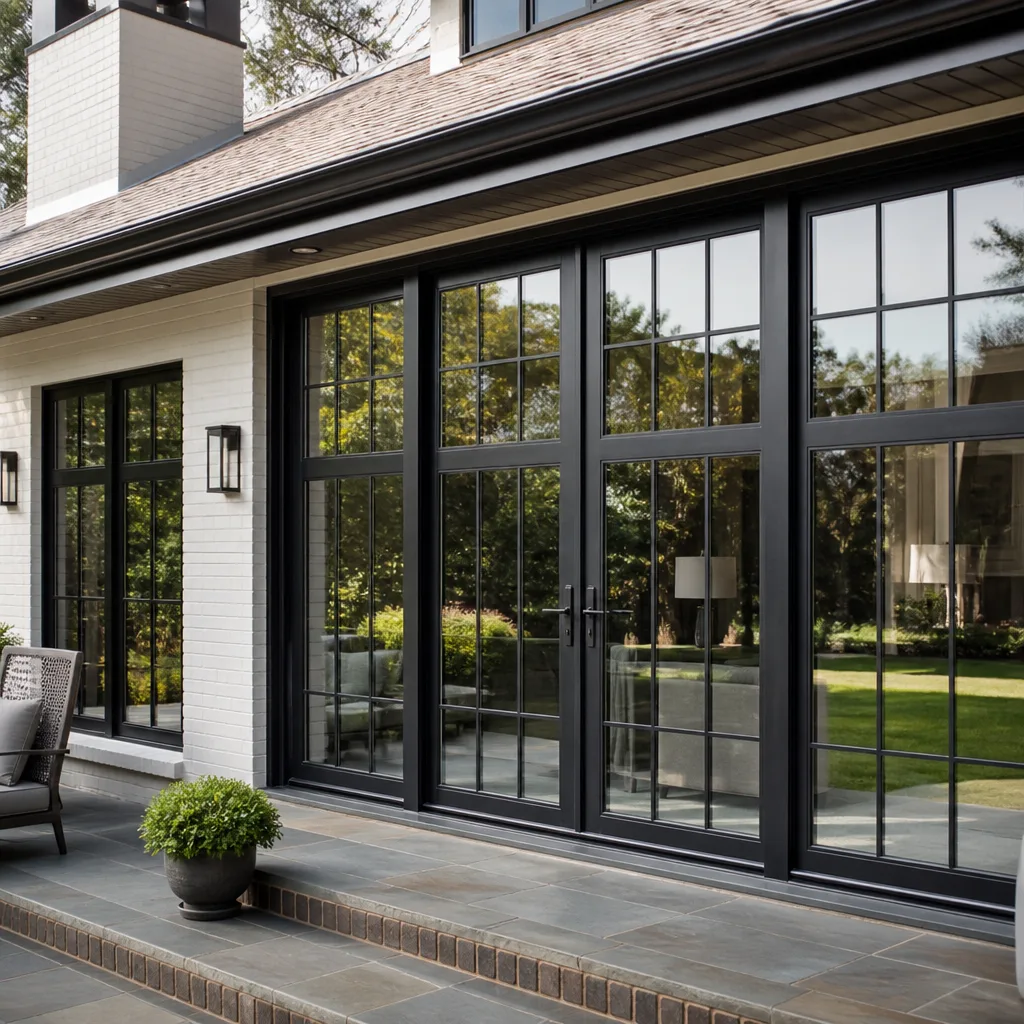
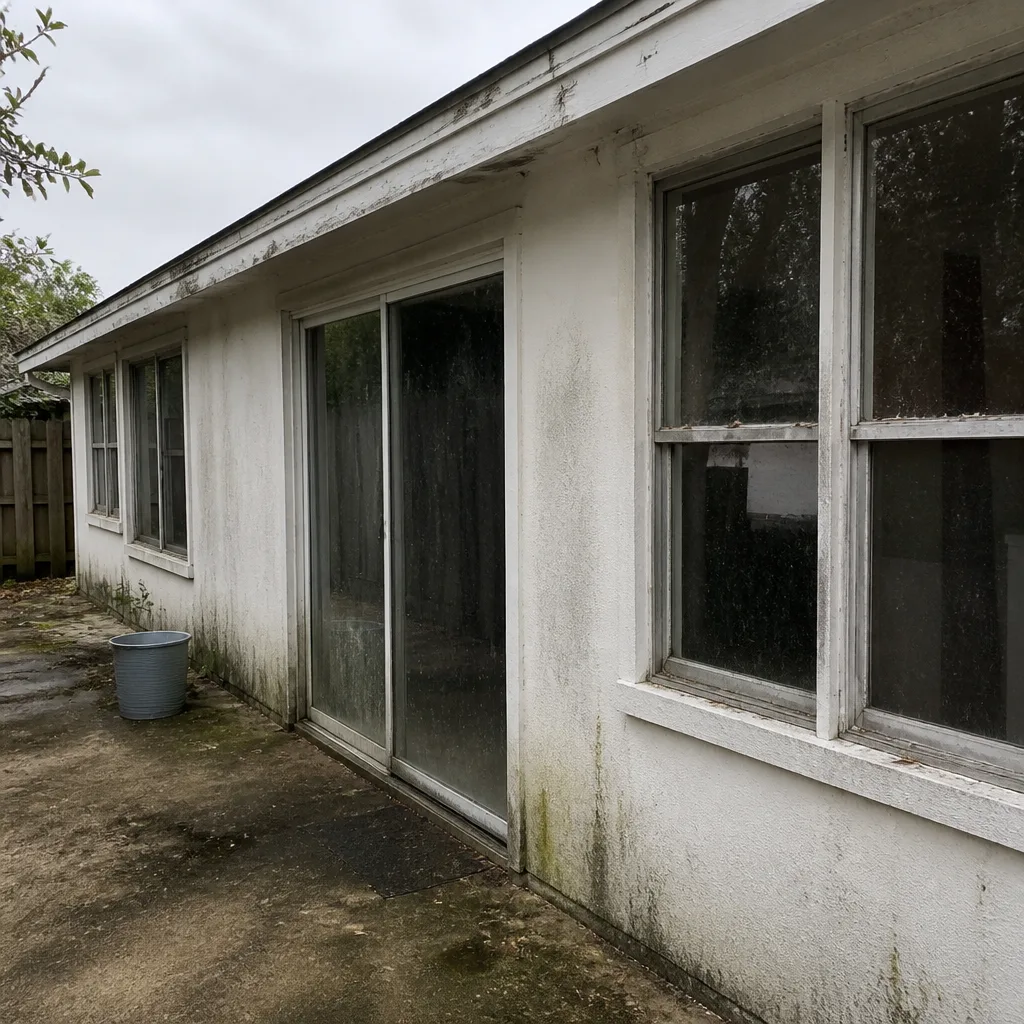 Before
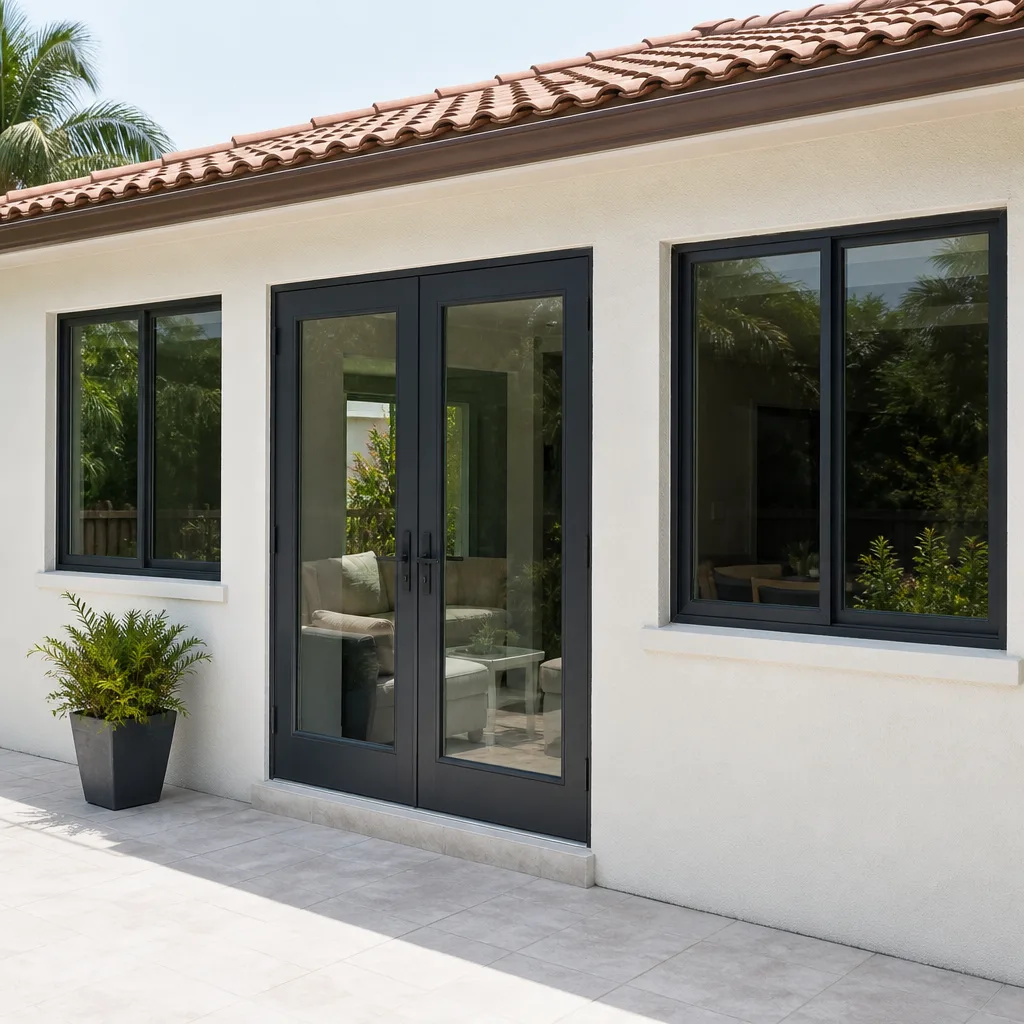 After
After Before
 After
After Before
 After
AfterThe Complete Guide to Windows & Doors in Princeton
Miami-Dade County’s High-Velocity Hurricane Zone designation voids the standard Florida Building Code and substitutes stricter product-approval requirements - a fact that eliminates roughly 60% of windows sold at national home-improvement chains from legal use in Princeton homes. If you’re researching windows and doors for a Princeton property, you’re not shopping in a standard market. You’re operating inside a code layer where the wrong product label can stop your permit cold, void your insurance rider, or fail third-party inspection after installation. This guide walks through what actually governs every window and door decision in Princeton, from the HVHZ product-approval numbers on the label to the county forms you’ll sign at closeout. Browse our more guides & resources for additional Princeton-specific home improvement content.
Quick Answer
Windows and doors in Princeton must carry Miami-Dade County product approval or Florida Product Approval meeting HVHZ standards, not standard FBC compliance. Expect to budget $650-$1,400 per opening for impact-rated vinyl windows, $1,200-$2,800 for aluminum impact products, and $2,400-$5,500 for entry door systems with impact glass and HVHZ-rated hardware. Every installation requires a permit, third-party inspection, and documented photo evidence of fastening patterns and sealant application.
Table of Contents
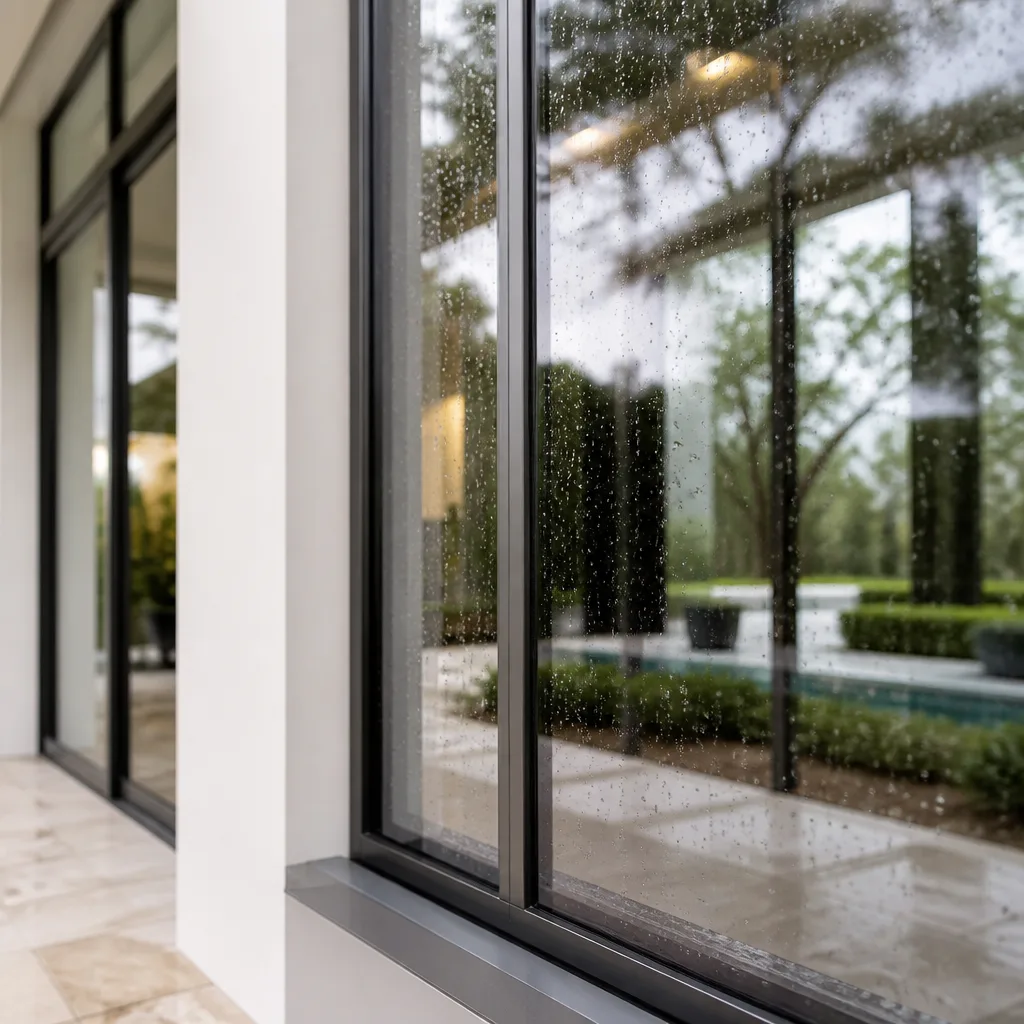
- What HVHZ Means for Princeton: The Code Layer National Guides Ignore
- How to Read a Product Approval Label: The Numbers That Matter
- Impact-Rated vs. Hurricane-Rated: The Insurance Cost Difference
- The Actual Decision Sequence: From Measurement to Final Sign-Off
- Three Princeton Micro-Climate Factors That Change Your Material Choice
- Permits, Inspections, and County Forms: What You’ll Actually Handle
- What Windows and Doors Cost in Princeton: Line-Item Pricing
- Choosing Products by Opening Type: A Performance-Based Approach
 Before
 After
AfterWhat HVHZ Means for Princeton: The Code Layer National Guides Ignore
Princeton sits in Miami-Dade County’s High-Velocity Hurricane Zone, a designation that applies to the southernmost tier of Florida and a handful of coastal counties elsewhere. The HVHZ doesn’t modify the Florida Building Code. It replaces entire chapters of it.
Under standard FBC, a window needs Florida Product Approval to be legally installed. In Princeton, that same window also needs Miami-Dade County product approval - or proof that its Florida approval explicitly includes HVHZ conditions. The difference is not bureaucratic. HVHZ testing subjects products to missile-impact simulation followed by cyclic pressure loading at higher velocities than standard FBC requires. A window that passes FBC Impact may fail HVHZ testing. That failure means no permit, no inspection pass, and no insurance discount.
We’ve measured openings in Princeton homes where the previous owner installed standard FBC windows purchased from a national retailer. The installation was competent. The product was legal in Orlando. In Princeton, it was unpermitted work that the current owner discovered during a refinance inspection. The correction required full replacement, new permitting, and reinspection - a cost that would have been avoided with the right label check at purchase.
The practical consequence: product selection in Princeton starts with the approval database, not the showroom floor. We verify every product against the Miami-Dade County Product Control Search before it appears in a written quote. Haven Clause 1 - Have it in writing - means the customer receives that verification as part of the documented scope.
How to Read a Product Approval Label: The Numbers That Matter

Every legally installed window or door in Princeton carries a permanent label. Knowing which numbers to read prevents a common and expensive mistake: buying a product with Florida approval that lacks HVHZ-specific testing.
Look for these identifiers:
- Miami-Dade County Notice of Acceptance (NOA): A number in the format N-XX-XXXX.XX. The NOA explicitly states whether the product is approved for HVHZ use. If the label shows only a Florida Product Approval number (FLXXXXX.RX), scroll to the approval document itself - the HVHZ applicability must be stated in the scope section.
- Design Pressure (DP) Rating: Expressed in pounds per square foot (psf). Princeton requires minimum DP ratings that vary by wind exposure category and building height. A single-story home in a sheltered Princeton subdivision may need DP-50. A two-story home near exposed fill may need DP-60 or higher. The NOA lists the maximum DP the product has tested to; your permit application must show the required DP for your specific opening.
- Missile Level: HVHZ requires Large Missile Impact (LMI) for openings below 30 feet. Small Missile Impact (SMI) applies only to specific high-rise applications. If the label reads SMI without explicit LMI approval, it’s not legal for typical Princeton residential use.
- Installation Instruction Reference: The NOA cites a specific installation manual. Deviating from that manual - different fasteners, altered spacing, substitute sealant - voids the approval for that installation. We document our fastening pattern with photos for this reason.
A product without a current NOA or explicit HVHZ Florida approval cannot legally be installed in Princeton, regardless of how well it’s built. We’ve reviewed competitor quotes where the specified product carried only standard FBC approval. The price was lower. The product was unusable. Our Window Installation in Princeton process includes this verification as a standard step, not an add-on service.
Impact-Rated vs. Hurricane-Rated: The Insurance Cost Difference
These terms are not interchangeable, and the distinction has direct consequences on your homeowner’s insurance premium in Princeton.
Impact-rated means the product has passed ASTM E1886/E1996 testing: a 9-pound 2×4 missile strike at 34 mph, followed by 9,000 cycles of positive and negative pressure. The glass may crack; the laminate must hold. The frame must remain in the opening. This is the standard for HVHZ compliance and the threshold for most insurance discounts.
Hurricane-rated is a marketing term without standardized definition. It may mean the product meets basic wind-load requirements. It may mean the manufacturer conducted some level of impact testing. Without a specific NOA or Florida Product Approval citing HVHZ compliance, “hurricane-rated” tells you nothing about Princeton legality or insurance recognition.
We’ve seen Princeton homeowners pay for “hurricane-rated” products that their insurer declined to credit. The products passed no recognized impact test. The homeowner received no wind mitigation discount. The correct documentation - an NOA with LMI designation and current expiration date - is what insurers verify.
The dollar impact: a properly documented impact-rated window and door package typically triggers a wind mitigation credit of 10-45% on the windstorm portion of a Princeton homeowner’s policy, depending on the carrier and the home’s other features. The credit applies only when the installation is permitted, inspected, and documented with photos of the product label in place. Our Door Installation in Princeton and window projects include this documentation as standard deliverables under Haven Clause 4 - Evidence on every job.
The Actual Decision Sequence: From Measurement to Final Sign-Off
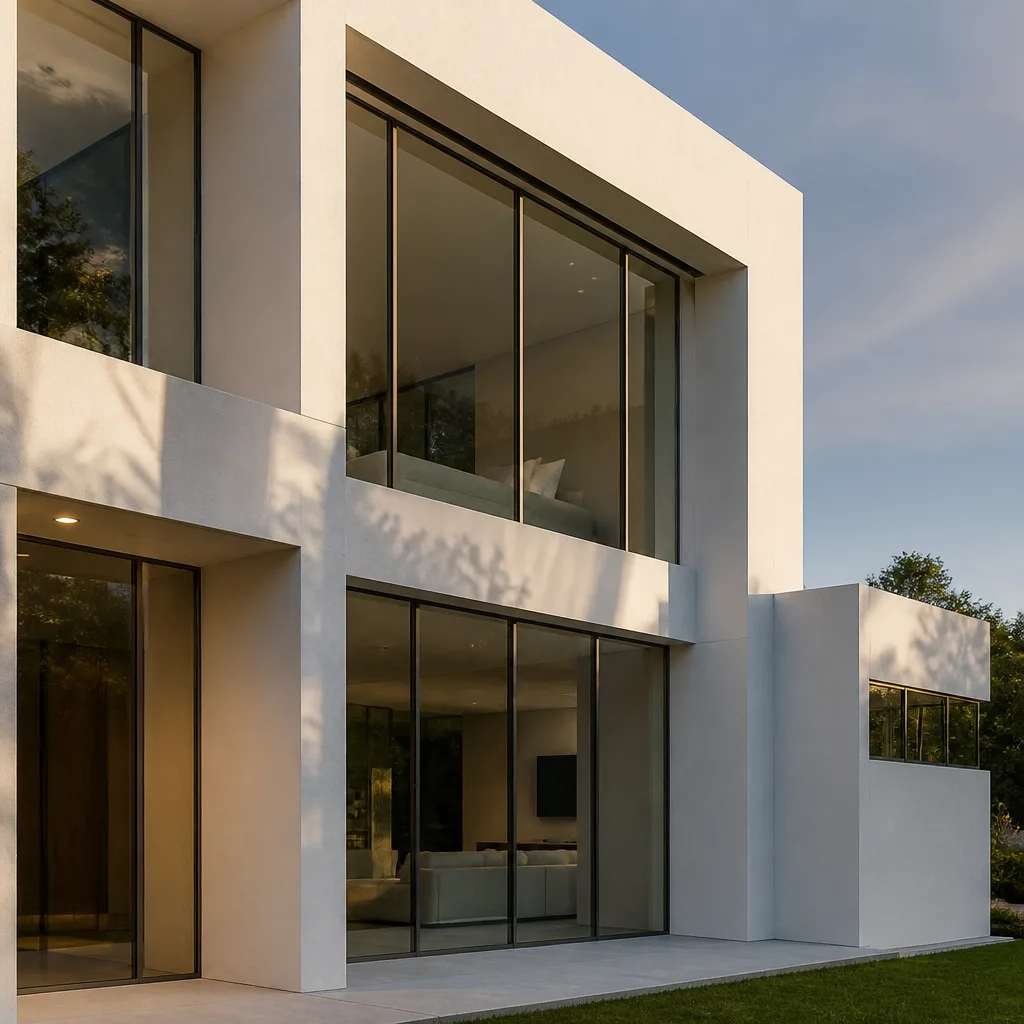
Most guides present window and door selection as a shopping exercise: pick a style, pick a brand, schedule install. In Princeton, the sequence is constrained by code requirements at every step. Following the wrong order produces change orders, permit rejections, or inspection failures.
Here is the actual sequence we follow on every Princeton project:
- Measured survey of the opening. We record width, height, depth, squareness, and structural condition. The customer keeps this document. It becomes the basis for the written quote and, under Haven Clause 1, the quote cannot differ from it.
- Wind load calculation for the specific address. Using the Florida Building Code wind speed map, exposure category, and topography, we determine the required Design Pressure for each opening. A Princeton home on the Princeton Canal corridor faces different exposure than one sheltered by the tree canopy near SW 200th Street.
- Product approval verification. We search the Miami-Dade County Product Control database and the Florida Product Approval system for products meeting the calculated DP and missile requirements. Only then do we present options.
- Product selection by performance tier and price range. We specify from our eight manufacturer lines - PGT, CGI, CWS, ES Windows, ECO Window Systems, Mr-Glass, Therma-Tru, and ViewLux - based on what the opening requires, not inventory position. A coastal Princeton exposure with high DP requirements may point toward CGI’s aluminum impact line or PGT’s WinGuard vinyl. A sheltered interior opening with moderate DP may suit ECO Window Systems’ vinyl offerings at a lower tier.
- Written quote with scope, product approval numbers, and installation details. The customer approves this document before any work begins. This is Haven Clause 1 in practice.
- Permit application. We pull the permit as the contractor of record. The application includes product approval numbers, installation instruction references, and our license information.
- Installation per the approved NOA installation manual. Our crews are background-checked, uniformed, and identified by license number before arrival - Haven Clause 3, Verified Crews. We photograph fastening patterns, sealant application, and product labels in place.
- Third-party inspection. Miami-Dade County requires inspection by a licensed third-party agency, not county staff, for most residential window and door replacements. The inspector verifies product labels, installation method, and structural attachment.
- Final sign-off and documentation package. The customer receives the permit closure, inspection pass documentation, photo record, and warranty paperwork. Haven Clause 4 - Evidence on every job - is satisfied.
Skipping step 2 and selecting a product before calculating required DP is the most common error we correct in competitor quotes. A beautiful window with the wrong DP rating is an expensive decoration, not a legal installation.
Three Princeton Micro-Climate Factors That Change Your Material Choice
Princeton’s location in southern Miami-Dade County creates specific conditions that affect frame material selection beyond the baseline HVHZ requirements. We account for these in every measured survey.
Salt air proximity. Princeton sits approximately 8-12 miles inland from Biscayne Bay, depending on specific address, but the prevailing southeasterly flow carries salt aerosol well inland. For homes near the Princeton Canal or on exposed lots, we see accelerated corrosion on non-anodized aluminum frames within 7-10 years. Our specification in these conditions favors either anodized aluminum - CGI and PGT offer appropriate finishes - or vinyl framing with impact-rated laminate. The anodizing cost adds 15-25% to the frame material but extends service life significantly.
Wind exposure category. The flat terrain and limited mature tree cover in newer Princeton subdivisions create Exposure C conditions where the code minimum might suggest Exposure B. We verify exposure category through site inspection, not assumption. An Exposure C designation increases the required Design Pressure by approximately 20% compared to Exposure B at the same wind speed. This can shift a project from standard vinyl impact products to reinforced aluminum systems, with corresponding price implications we identify in the written quote.
Soil movement and foundation settlement. Princeton’s position on the Miami Rock Ridge edge means variable limestone depth and occasional fill placement in developed areas. We’ve measured openings in 10-year-old Princeton homes where differential settlement has produced racking - the frame is no longer rectangular. Racked openings require specific installation techniques: shimming sequences that restore squareness without transferring stress to the window frame, or in severe cases, structural correction before window installation. Installing a rigid impact-rated frame into a racked opening without this correction produces operational failure within two years. Our measured survey identifies racking and documents the correction in the written scope.
Permits, Inspections, and County Forms: What You’ll Actually Handle
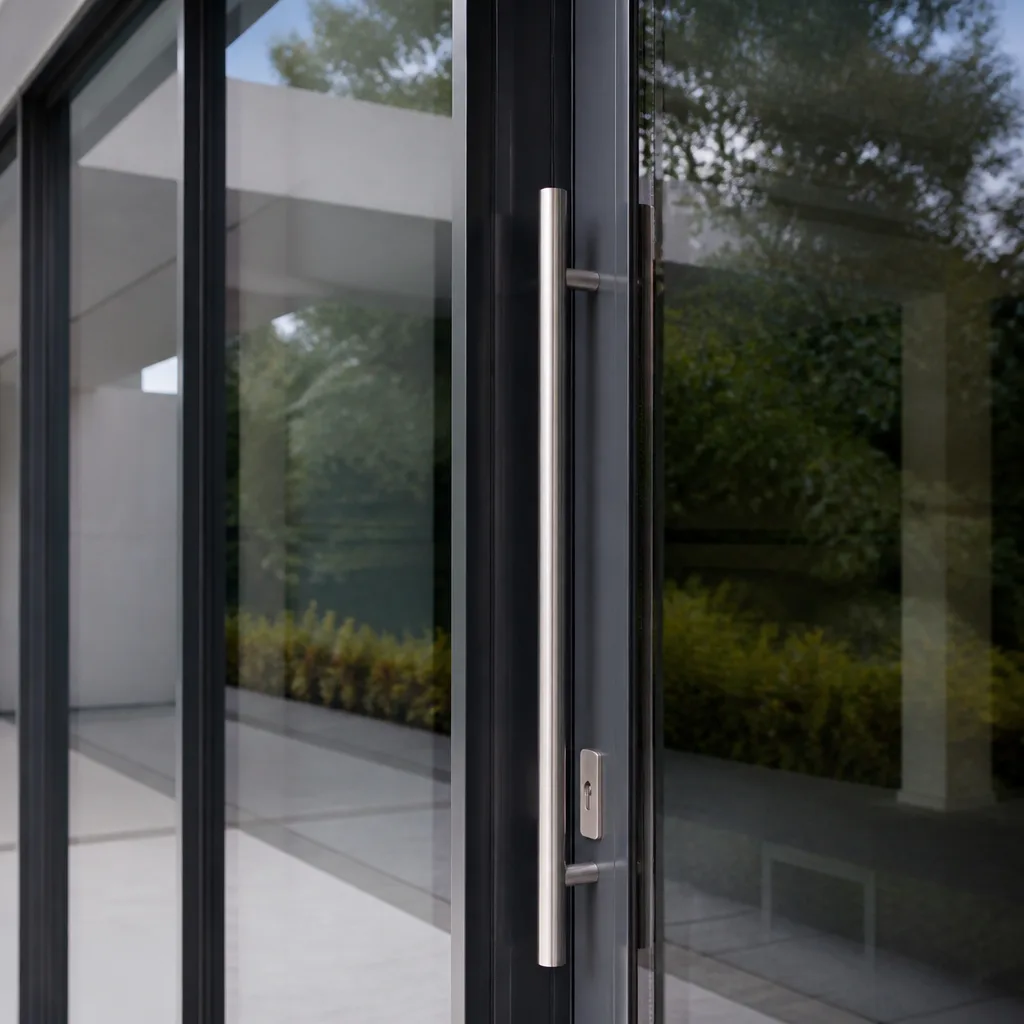
Generic advice to “contact your local building department” is useless in Princeton. Here are the specific entities and forms involved.
Miami-Dade County Regulatory and Economic Resources (RER) processes permits for Princeton properties. Residential window and door replacement typically requires a building permit with electrical review if the opening involves powered operators or integrated alarm contacts. The permit application is Form BLD-1, submitted through the Sightline Windows & Doors Princeton home office or directly by the homeowner if self-contracting.
Product approval documentation required at application: a copy of the current NOA or Florida Product Approval with HVHZ applicability statement, plus the manufacturer’s installation instructions referenced in that approval. Expired approvals are rejected; we verify current status before every submission.
Third-party inspection agencies licensed by Miami-Dade County conduct the field inspection. Common agencies serving Princeton include Professional Service Industries (PSI), Simpson Gumpertz & Heger (SGH), and Bureau Veritas. The inspector does not work for the county. They work for the permit holder and report directly to RER’s compliance database. Failed inspections require correction and reinspection at additional cost.
Form BLD-4, Certificate of Completion, is issued after final inspection pass. This document is required for insurance wind mitigation credits and for property sale disclosures. We deliver it with the final documentation package.
Homeowner’s Association notification: Many Princeton subdivisions, including portions of Princetonian and Princeton Park, require architectural review before exterior modification. We include HOA notification in our scope when the customer provides contact information; we do not assume authority to contact the HOA independently.
What Windows and Doors Cost in Princeton: Line-Item Pricing
These ranges reflect our actual written quotes for Princeton projects in 2024-2025, using products from our verified manufacturer lines. Every range includes the measured survey, product, installation, permit, third-party inspection, photo documentation, and 365-Day Done Right Promise coverage. Prices vary with opening size, accessibility, and structural condition.
| Product Category | Performance Tier | Price Range per Opening |
|---|---|---|
| Vinyl impact window, single-hung | Standard (PGT WinGuard, ECO Window Systems) | $650 - $1,100 |
| Vinyl impact window, single-hung | Enhanced (PGT EnergyVue, CWS ARIA) | $950 - $1,400 |
| Aluminum impact window, single-hung | Standard (ES Windows, Mr-Glass) | $1,200 - $1,800 |
| Aluminum impact window, single-hung | Enhanced (CGI Estate, PGT aluminum line) | $1,600 - $2,400 |
| Sliding glass door, vinyl impact | Standard two-panel | $2,800 - $4,200 |
| Sliding glass door, aluminum impact | Standard two-panel | $3,800 - $5,500 |
| French door system, impact-rated | With HVHZ hardware and multi-point lock | $3,200 - $5,500 |
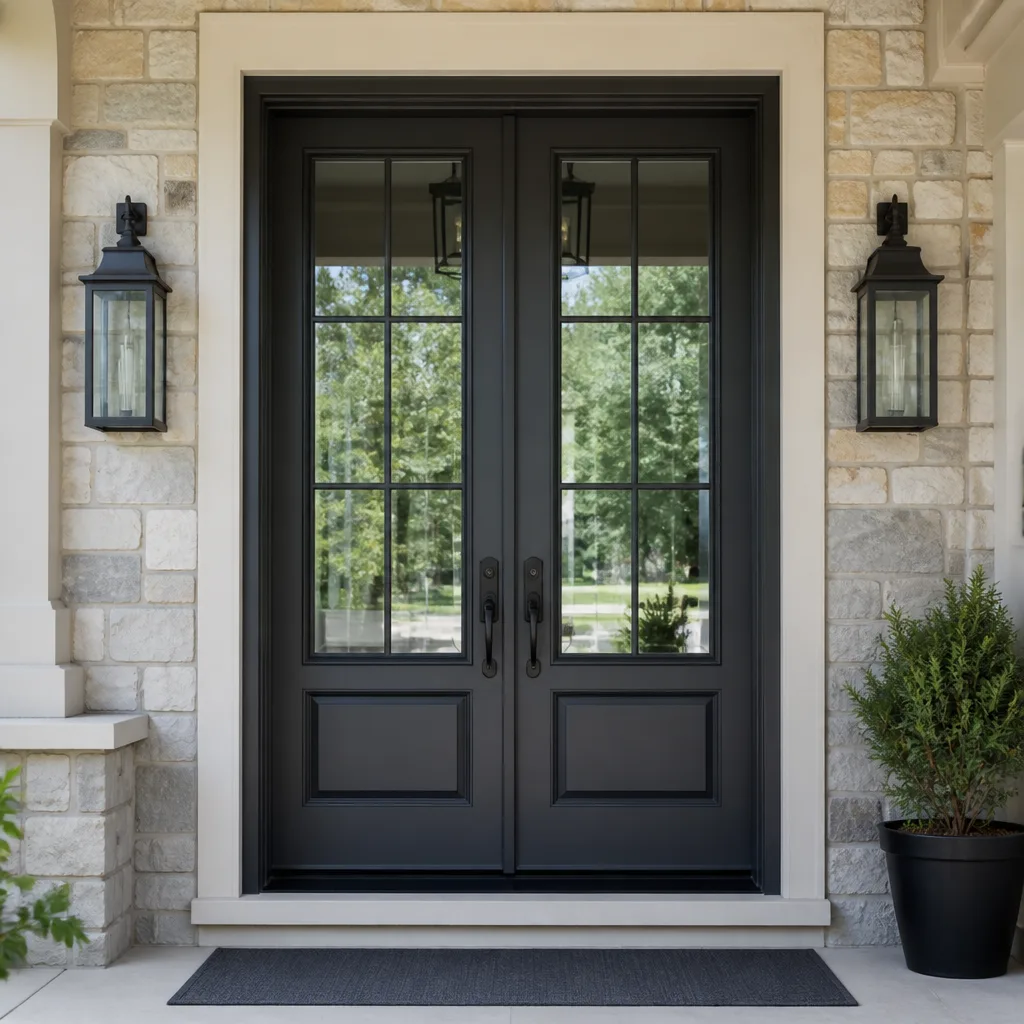
| Entry door with impact glass insert | Therma-Tru or ViewLux system | $2,400 - $4,800 |
| Custom geometric window | Impact-rated, any shape | $1,800 - $4,500 |
| Garage door, impact-rated | Wind-load rated with HVHZ approval | $3,500 - $7,500 |
These figures are not estimates to be revised later. Under Haven Clause 1, the written quote from our measured survey is the final invoice. The only price changes occur if the customer adds scope or if concealed damage - rot, termite damage, failed structural members - is discovered during installation. In those cases, we document the condition with photos, present a written change order, and obtain approval before proceeding.
We also offer a Free Second Opinion on Any Written Estimate. Bring us a competitor’s quote and we will review the product specifications, approval numbers, and scope for accuracy at no charge. We’ve identified incorrect DP ratings, expired NOAs, and omitted permit costs in competitor quotes for Princeton homes.
Choosing Products by Opening Type: A Performance-Based Approach
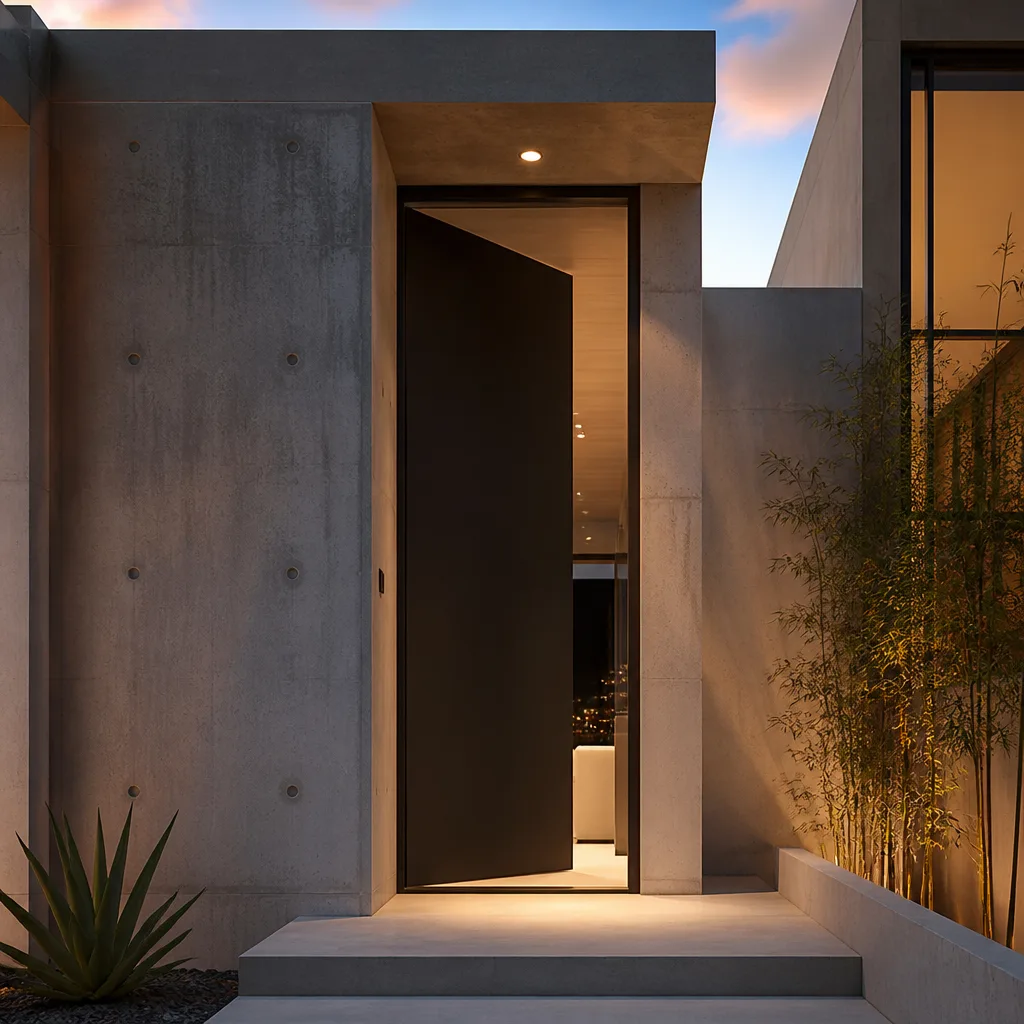
Product selection in Princeton should follow the opening’s requirements, not a brand preference formed elsewhere. We specify from our eight manufacturer lines based on what the measured survey and wind load calculation indicate.
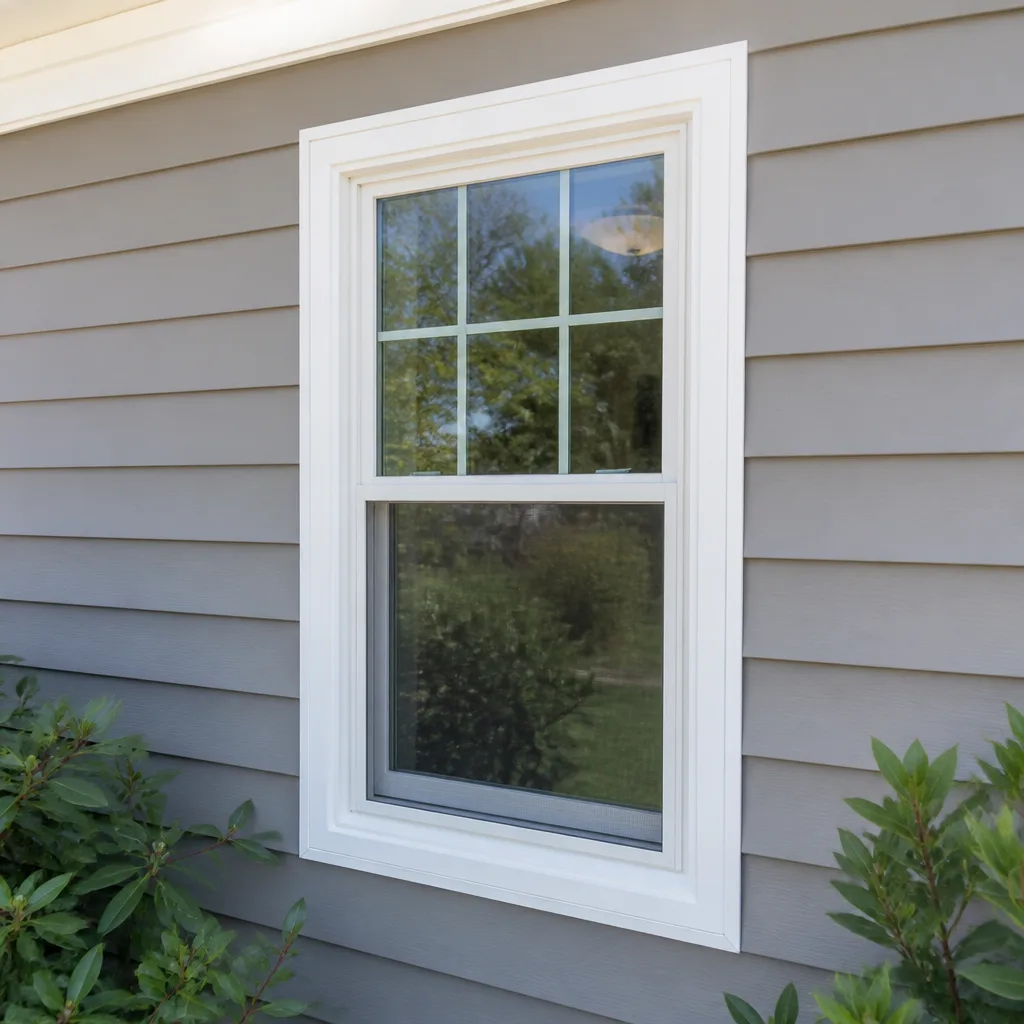
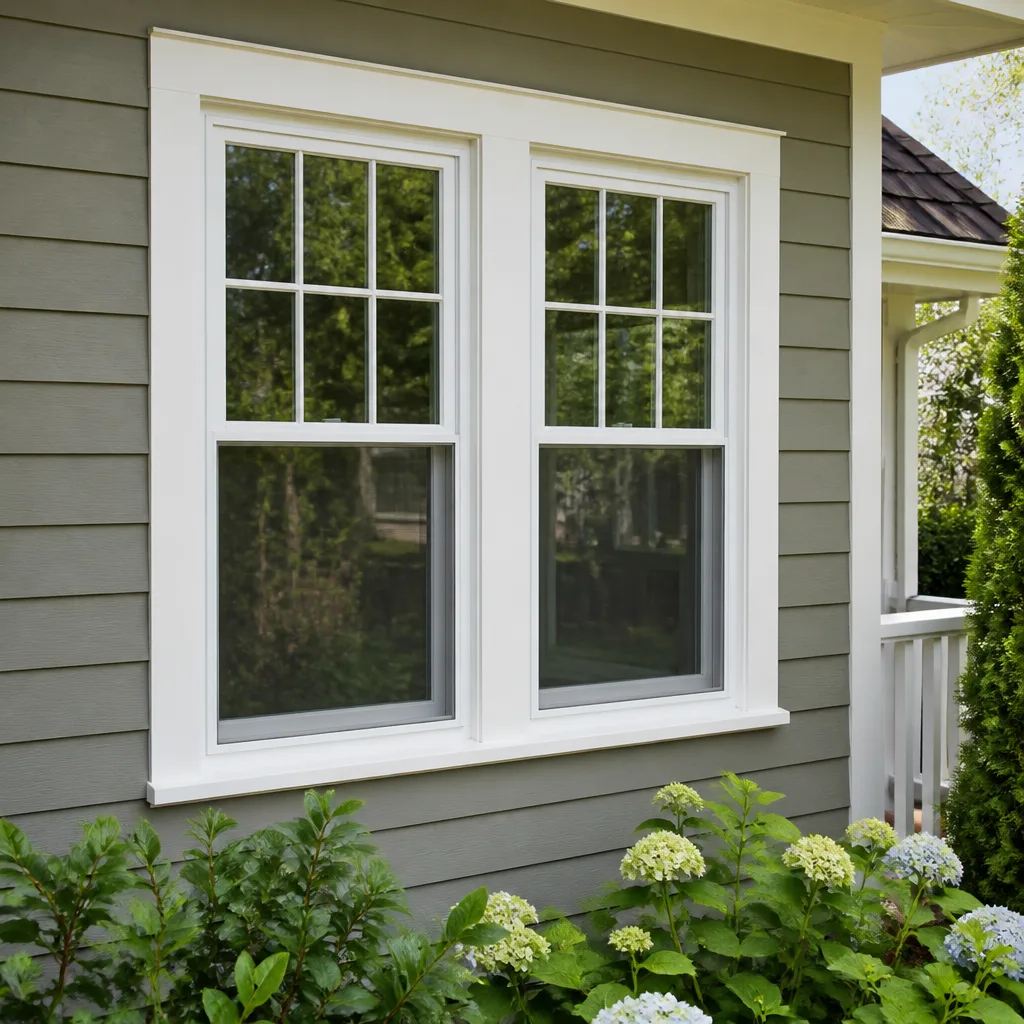
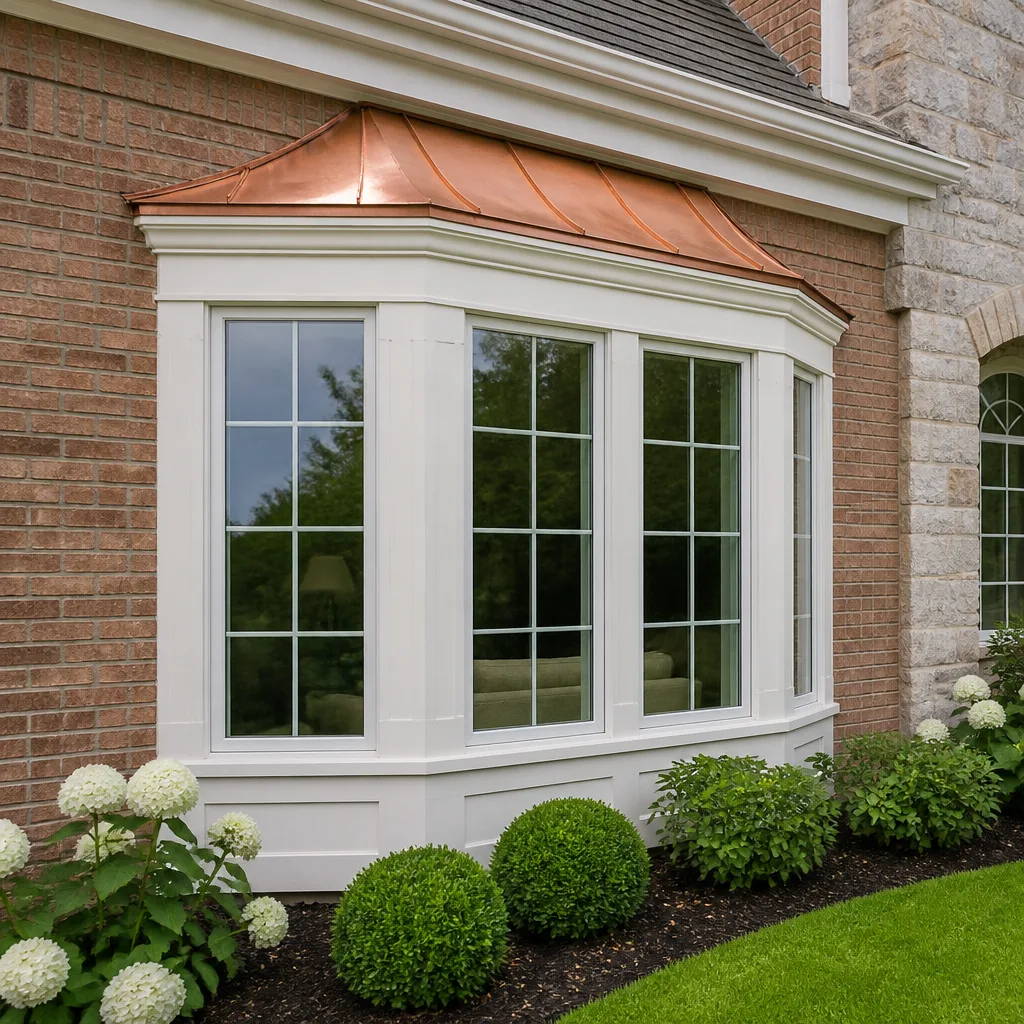
Street-facing front windows in Princeton typically require the highest DP rating on the structure, both for code compliance and for insurance recognition. We often specify PGT WinGuard vinyl or CGI aluminum for these openings. The sightline - the visible glass area after frame and sash - varies significantly between these lines; we show customers the sightline dimension on the measured survey so they understand what they’re viewing through.
Rear and side windows in sheltered courtyard or lanai configurations may operate at lower DP requirements. ECO Window Systems or CWS vinyl products often meet the specification at lower cost. We do not downgrade below the calculated requirement, but we also do not overspecify.
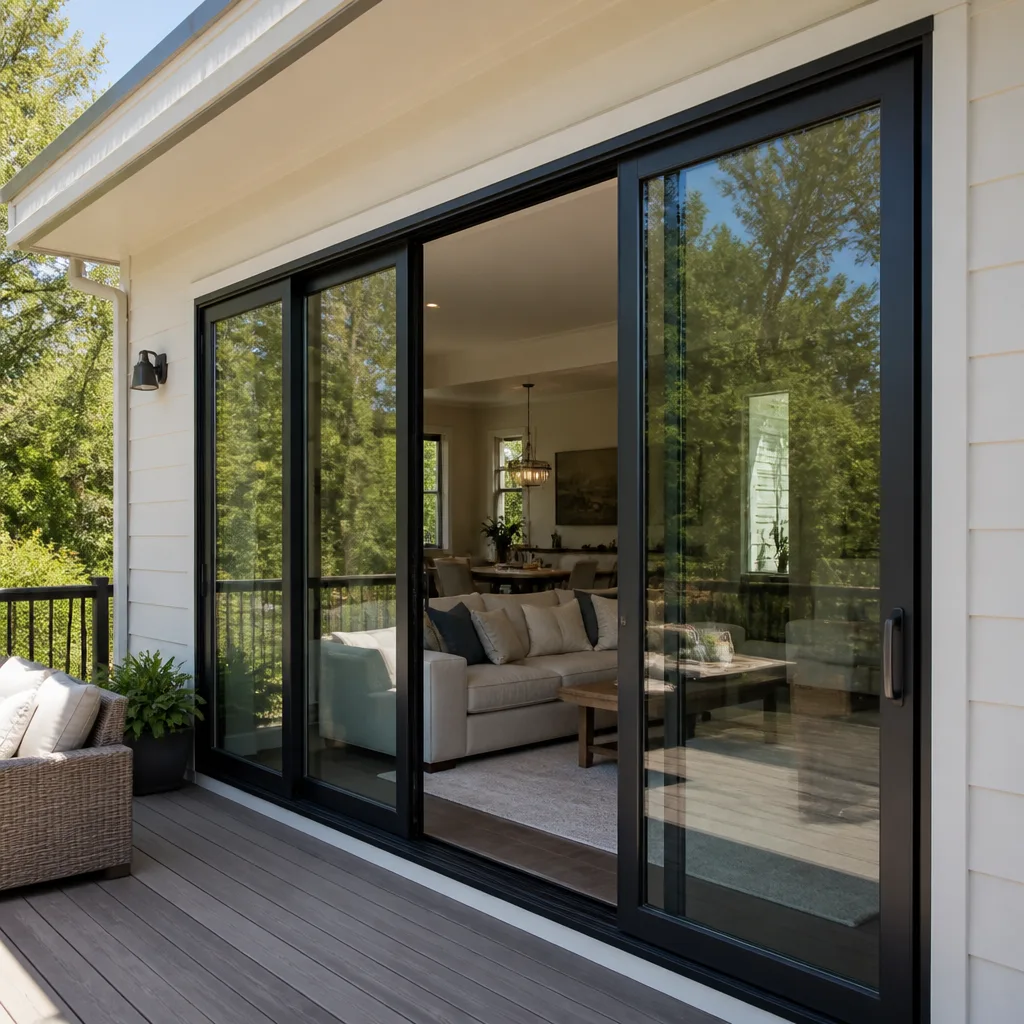
Sliding and patio doors face the combined challenge of large glass area, heavy operational loads, and strict HVHZ hardware requirements. The multi-point locking system must be specifically approved in the NOA; aftermarket hardware voids the installation. We specify Therma-Tru or ViewLux entry systems and PGT or CGI sliding door systems based on span width and traffic pattern.
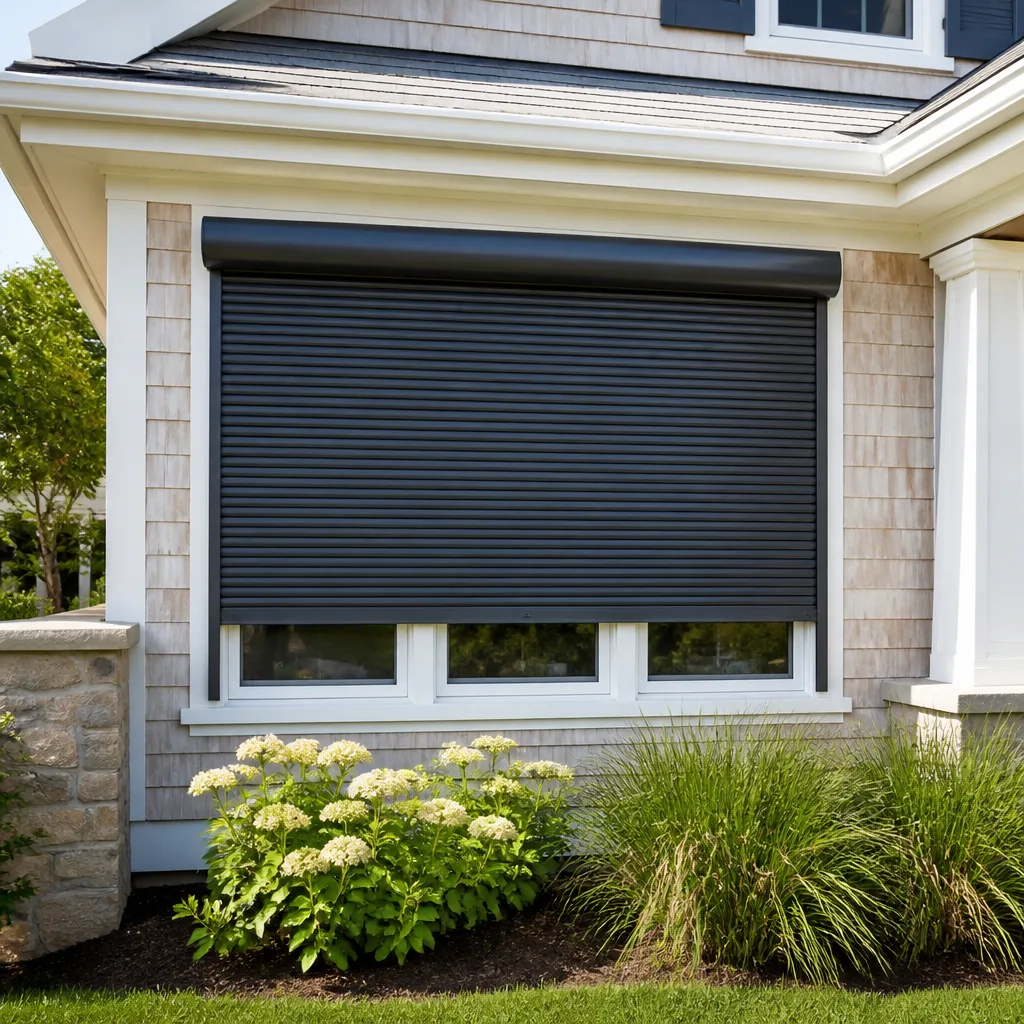
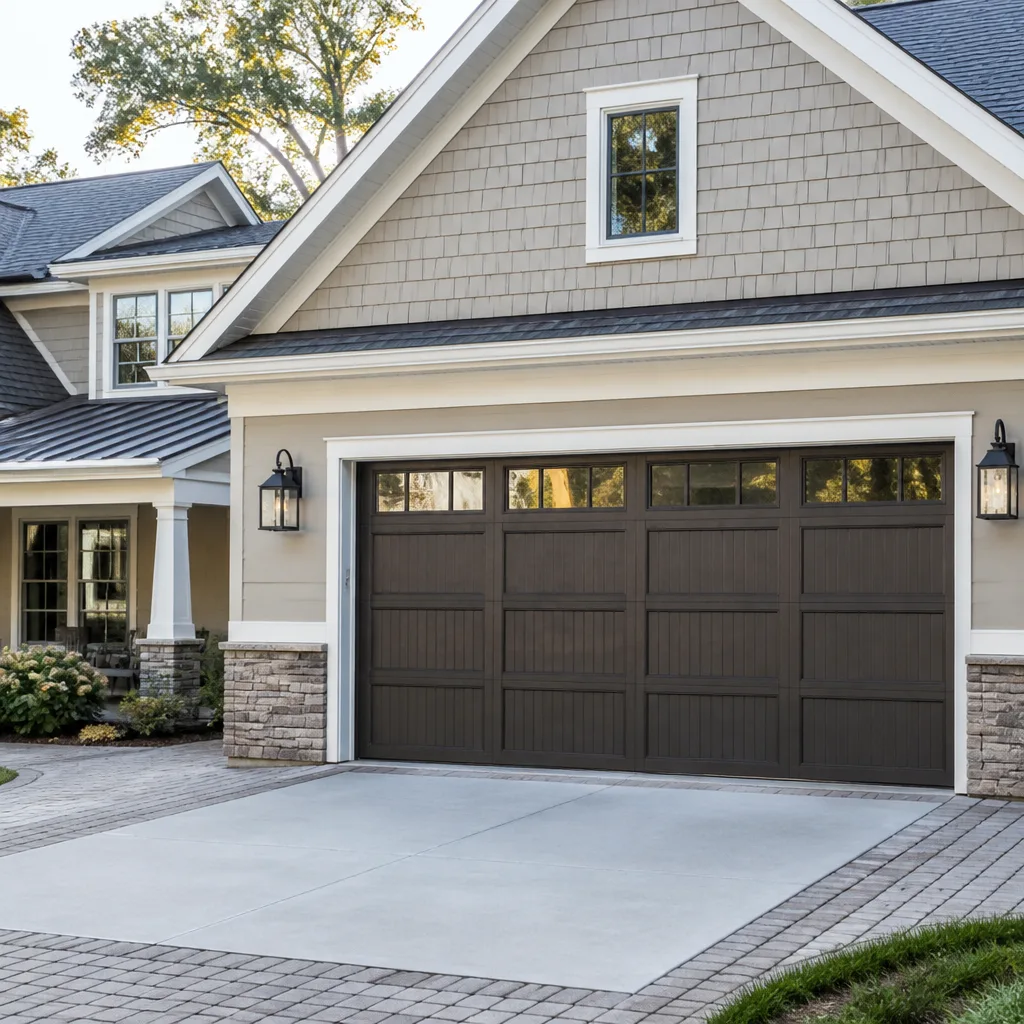
Garage doors are frequently overlooked in Princeton window and door projects. An impact-rated garage door with HVHZ approval is a separate product category with its own NOA and installation requirements. We coordinate garage door specification with the window and door package for consistent wind mitigation documentation.
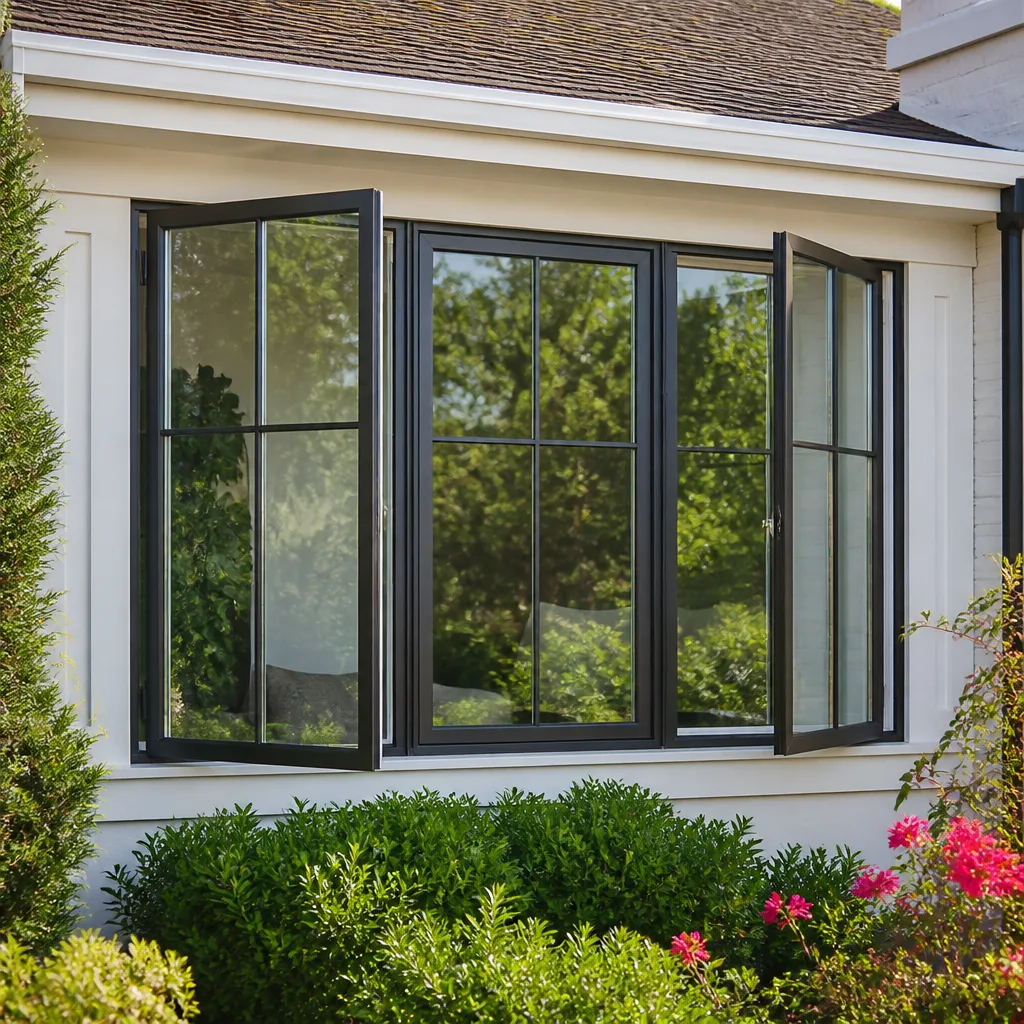
Custom and geometric windows - circles, trapezoids, triangular gable windows - require specific NOA coverage for the shape and fastening pattern. Not every manufacturer obtains approval for every shape. We verify before presenting options. ViewLux and PGT maintain broader geometric approvals than some competitors.
Our Window Replacement in Princeton service applies this same performance-based specification to existing opening upgrades, where we often discover that the original installation predates current HVHZ requirements and requires full system replacement.
Common Mistakes to Avoid
- Buying from national retailers without NOA verification. The product may carry standard FBC approval and fail HVHZ requirements. The savings disappear when the permit is rejected or the insurance discount is denied.
- Assuming “hurricane-rated” means impact-rated. Without specific ASTM E1886/E1996 documentation and a current NOA, the term has no legal or insurance value in Princeton.
- Ignoring exposure category in product selection. A Princeton home on cleared land with southeastern exposure needs higher DP than the same floor plan in a sheltered interior lot. Using the wrong category produces inspection failure.
- Installing non-impact products with hurricane shutters as equivalent. Some insurers accept this combination for partial credit, but it does not satisfy HVHZ product-approval requirements for the opening itself. The window or door must carry its own impact rating.
- Failing to verify NOA expiration before installation. Product approvals expire. An active NOA at permit application may expire before inspection. We verify current status at multiple project milestones.
- Accepting verbal warranties without written documentation. The 365-Day Done Right Promise is written into our Haven Standard and documented on every job. Verbal assurances from other contractors have no enforcement mechanism.
- Neglecting the garage door in wind mitigation documentation. An otherwise complete impact window and door package fails to maximize insurance credit if the garage door lacks HVHZ approval. We coordinate this specification.
When to Call a Professional
Window and door replacement in Princeton is not a project for the marginally skilled homeowner. HVHZ compliance requires product-approval verification, wind load calculation, permit management, and third-party inspection coordination. The fastening patterns specified in NOA installation manuals often require specific drill bits, torque settings, and sealant tooling that most homeowners do not maintain.
Specific scenarios that warrant professional engagement: any opening requiring DP-50 or higher; installations involving structural modification or header replacement; projects where insurance wind mitigation credit is a goal; homes with racked or out-of-square openings; and any product requiring current Miami-Dade NOA verification.
Sightline Windows & Doors Princeton offers free estimates in Princeton. Every estimate begins with a measured survey you keep, and the written quote cannot differ from that document. Call (786) 977-2953 to schedule.
Frequently Asked Questions
Vinyl impact window replacement in Princeton typically ranges from $650 to $1,400 per opening, including product, installation, permit, and inspection. Aluminum impact systems run $1,200 to $2,400. The specific price depends on opening size, required Design Pressure, and structural condition. Call (786) 977-2953 for a written quote based on your measured survey - estimates are free.
Yes. Every window and door replacement in Princeton requires a Miami-Dade County building permit with product approval documentation. The permit triggers mandatory third-party inspection. Unpermitted work fails to qualify for insurance wind mitigation credits and must be disclosed in property sales.
Miami-Dade NOA is specific to Miami-Dade County’s HVHZ and is required for Princeton installations. Florida Product Approval covers the state but must explicitly include HVHZ applicability to be legal in Princeton. A product with Florida approval lacking HVHZ scope cannot be installed here.
Properly documented impact-rated windows and doors typically trigger wind mitigation credits of 10-45% on the windstorm portion of your policy. The credit requires permitted installation, third-party inspection pass, and photo documentation of product labels in place. “Hurricane-rated” products without impact testing documentation do not qualify.
Most residential window replacements in Princeton require one to three days of installation work, depending on opening count and structural conditions. Permitting adds one to two weeks for application and scheduling. Third-party inspection typically occurs within three to five business days of installation completion. We provide specific timelines in our written scope.
Only if they carry current Miami-Dade NOA or Florida Product Approval with explicit HVHZ applicability. Our experience is that approximately 60% of windows sold at national home-improvement chains lack this approval. We verify every product in our quotes against the county database; we recommend customers do the same for any product they consider independently.
The Bottom Line
Windows and doors in Princeton operate under a code layer that makes generic advice not merely unhelpful but actively harmful. HVHZ compliance is not an upgrade or option. It is the legal floor for every installation, enforced through product approval databases, permit requirements, and third-party inspection. The right product carries a current Miami-Dade NOA with Large Missile Impact designation and a Design Pressure matching your specific address requirements. The right installation follows the NOA’s installation manual exactly, with photographic documentation of every critical step. The right contractor provides a written quote before work begins that matches the measured survey, pulls permits as standard practice, and delivers inspection pass documentation with the final invoice. Anything less leaves you exposed - to code violation, to insurance denial, to the cost of doing the job twice.
Written by Sonia Raman, Owner at Sightline Windows & Doors Princeton, serving Princeton since 2012.